Pabongka Rinpoche was one the twentieth century's most charismatic and revered Tibetan lamas, and in Liberation in the Palm of Your Hand we can see why.
Drawing inspiration from such diverse sources as Khalil Gibran, Virginia Woolf, and Frank Sinatra, as well as the Bible and the great Zen masters of old, this book offers a path to rich and lasting happiness achieved through what Huston Smith calls "e;goal-attaining patience.
Zen's Chinese Heritage traces twenty-five generations of inlightened Buddhist teachers, supplementing their core teachings with history, biography, and poetry.
With the right perspective, our anxiety around sickness, old age, and death can be a "e;wholesome fear"e;--a fear with a positive quality that ultimately enriches and nourishes our lives.
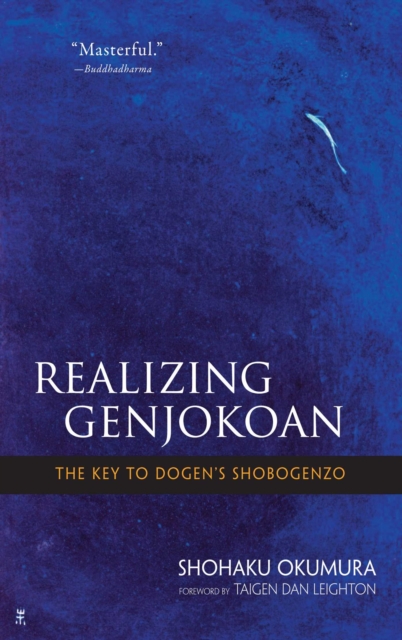
Eihei Dogen, the thirteenth-century Zen master who founded the Japanese Soto School of Zen, is renowned as one of the world's most remarkable religious thinkers.
Both broad and deep, this eye-opening book is one of the best available overviews of the radical psychological teachings underlying the Buddhist approach to freedom and peace.
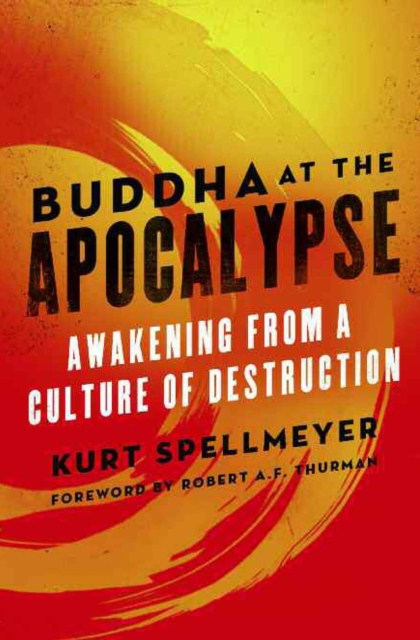
Timely and audacious, Buddha at the Apocalypse challenges us to look directly at the devastating assumptions underlying the very mechanisms of the modern world - and offers a clarion call to awaken from a pervasive culture of destruction into a natural, sustainable, and sane peace.
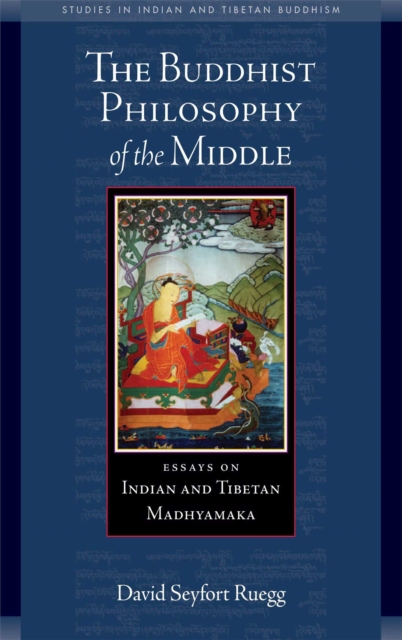
Madhyamaka, the "e;philosophy of the middle,"e; systematized the Buddha's fundamental teaching on no-self with its profound non-essentialist reading of reality.
Dogen, the thirteenth-century Zen master who founded the Japanese Soto school of Zen, is renowned as one the world's most remarkable religious geniuses.
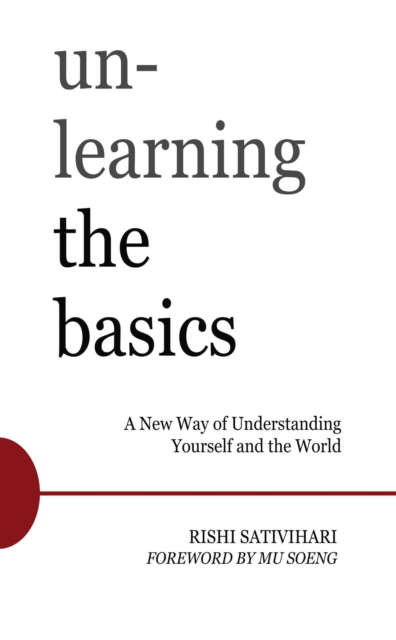
In fresh and inviting language and making frequent use of strikingly clear diagrams and illustrations, Unlearning the Basics challenges many of our common-sense understandings about ourselves and the world.
The Kagyu school of Tibetan Buddhism began in the eleventh century with such renowned figures as Marpa and Milarepa, and its seminal meditative traditions are Mahamudra and the six Dharmas of Naropa.
In this dynamic and utterly novel presentation, David Loy explores the fascinating proposition that the stories we tellabout what is and is not possible, about ourselves, about right and wrong, life and death, about the world and everything in itbecome the very building blocks of our experience and of reality itself.
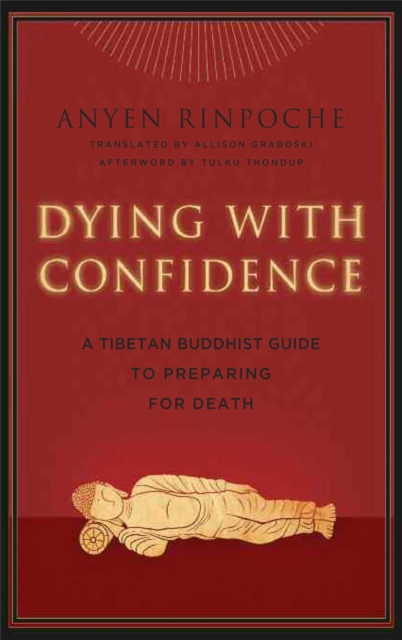
Anyen Rinpoche's wise and reassuring voice guides readers through the Tibetan Buddhist teachings on death and dying, while providing practical tools for end-of-life and estate planning.
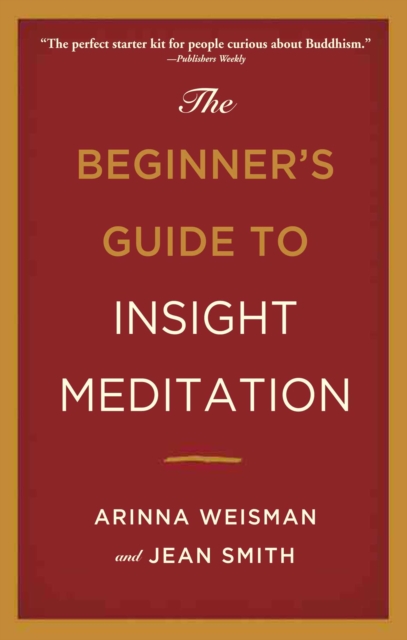
Arinna Weisman and Jean Smith combine clear explanations of the Buddha's teachings on freedom and happiness with their personal stories highlighting some of the challenges and insights of practice.
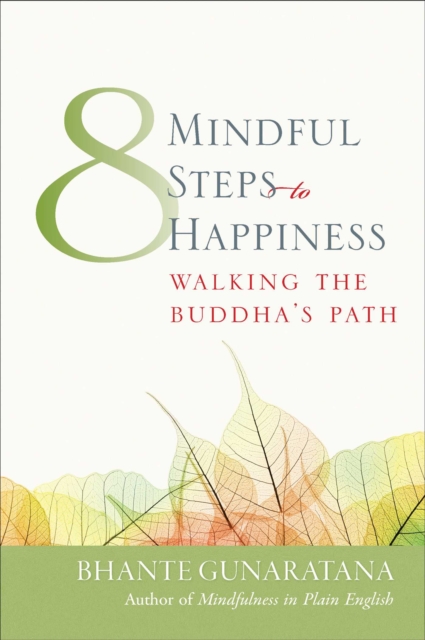
In the same engaging style that has endeared him to readers of Mindfulness In Plain English, Bhante Gunaratana delves deeply into each step of the Buddha's most profound teaching on bringing an end to suffering: the noble eightfold path.
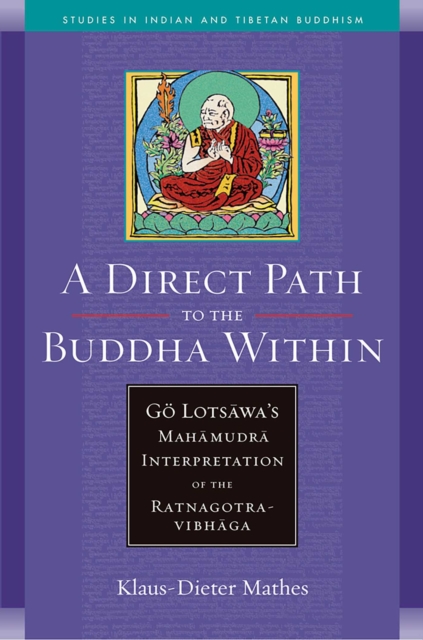
Maitreya's Ratnagotravibhaga, also known as the Uttaratantra, is the main Indian treatise on buddha nature, a concept that is heavily debated in Tibetan Buddhist philosophy.
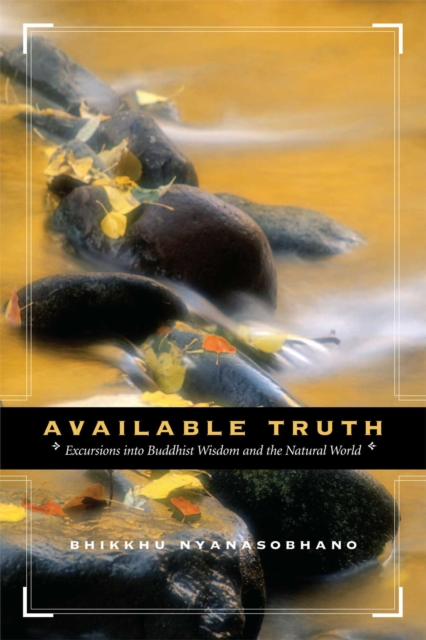
With his books Landscapes of Wonder and Longing for Certainty, the American monk Bhikkhu Nyanasobhano led readers down literary trails, providing enlightening glimpses of the natural world.
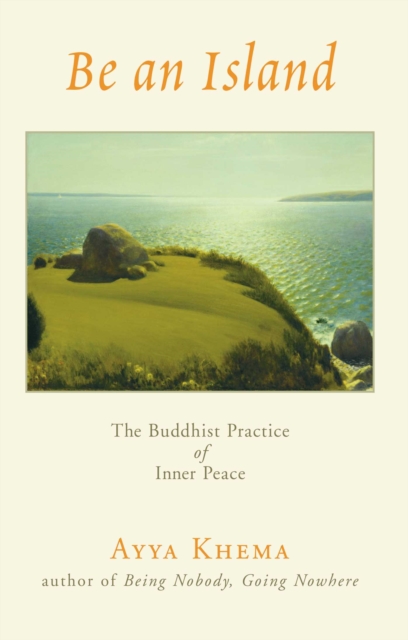
From the best-selling author of Being Nobody, Going Nowhere, Ayya Khema's Be an Island guides us along the path of Buddhist meditation with direct and practical advice, giving us contemplative tools to develop a healthy sense of personal being.
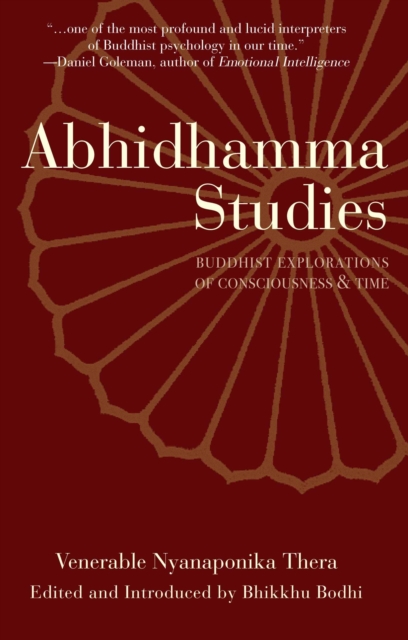
The Abhidhamma, the third great division of early Buddhist teaching, expounds a revolutionary system of philosophical psychology rooted in the twin Buddhist insights of selflessness and dependent origination.
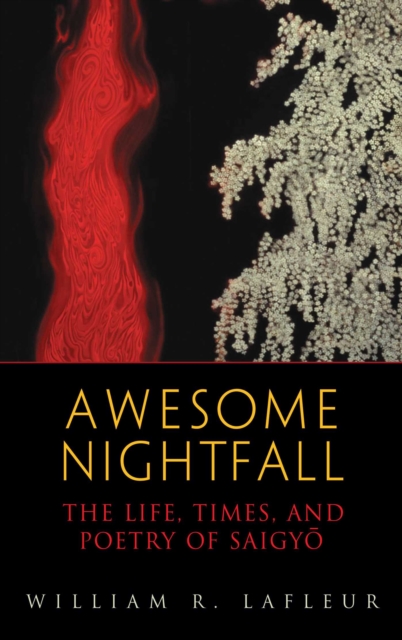
Awesome Nightfall: The Life, Times, and Poetry of Saigyo captures the power of Saigyo's poetry and this previously overlooked poet's keen insight into the social and political world of medieval Japan.
In this lovely meditation on ikebana - the Japanese art of flower arranging - Joan Stamm shows us how her twin paths of Buddhist practice and artistic endeavor converge and indeed become thoroughly intertwined.
The most essential insight that Buddhism offers is that all our individual suffering arises from three and only three sources, known in Buddhism as the three poisons: greed, ill-will, and delusion.
Throughout the history of Buddhism, few philosophers have attained the stature of Dharmakirti, the "e;Lord of Reason"e; who has influenced virtually every systematic Buddhist thinker since his time.
Exploring crucial points on the path to enlightenment, Stages of the Path literature continues to hold its place as one of the great treasures of Buddhist thought.
The Essence of Zen is an expert's guided tour of the ins and outs of the tradition's approach to meditation, enlightenment, and the oneness of all things.