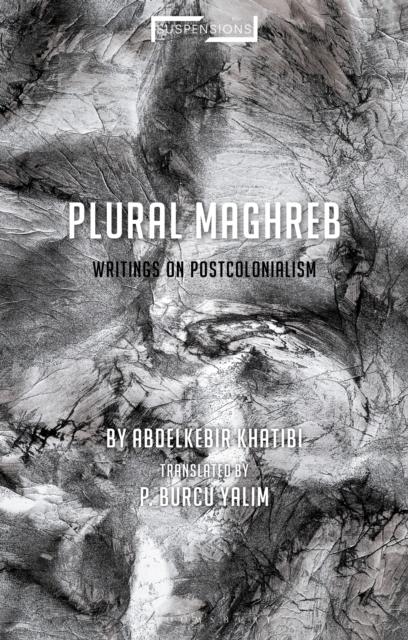
Abdelkebir Khatibi (1938-2009) was among the most renowned North African literary critics and authors of the past century whose unique treatments of subjects as vast as orientalism, otherness, coloniality, aesthetics, linguistics, sexuality, and the nature of contemporary critique have inspired major figures in postcolonial theory, deconstruction, and beyond.
Islam and Morality considers how Islam, the Qur'an, and other Islamic texts have approached the ethics of a variety of contemporary and historical issues.
Islam and Morality considers how Islam, the Qur'an, and other Islamic texts have approached the ethics of a variety of contemporary and historical issues.
This book sheds light on the Bawa Muhaiyaddeen Fellowship (BMF), one of North America's major Sufi movements, and one of the first to establish a Sufi shrine in the region.
This book sheds light on the Bawa Muhaiyaddeen Fellowship (BMF), one of North America's major Sufi movements, and one of the first to establish a Sufi shrine in the region.
In this significant new work in African Philosophy, Christopher Wise explores deconstruction's historical indebtedness to Egypto-African civilization and its relevance in Islamicate Africa today.
In this significant new work in African Philosophy, Christopher Wise explores deconstruction's historical indebtedness to Egypto-African civilization and its relevance in Islamicate Africa today.
It sheds light on the first diplomatic missions in Islam, which were almost the first of their kind in human history, as they called for goodness and peace.
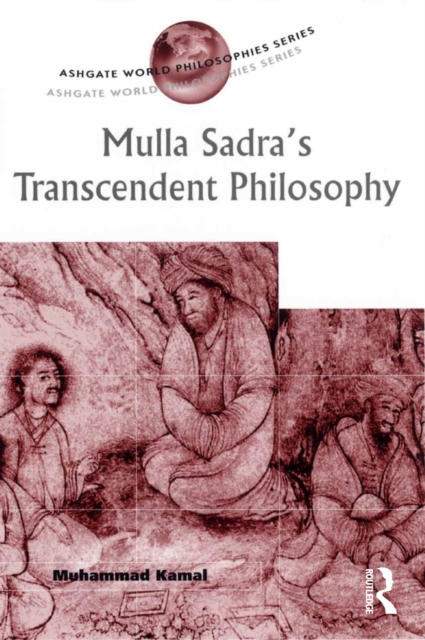
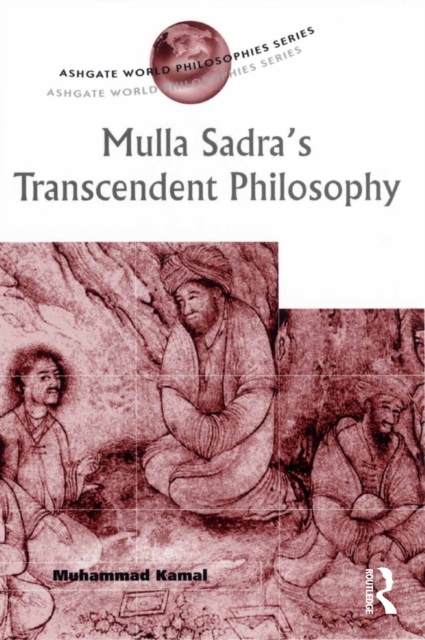
Providing a comprehensive and widely accessible investigation into Mulla Sadra's works, this book establishes his political philosophy and instigates a dialogue on the relevance of Sadra's philosophy to present day challenges.
Providing a comprehensive and widely accessible investigation into Mulla Sadra's works, this book establishes his political philosophy and instigates a dialogue on the relevance of Sadra's philosophy to present day challenges.
This valuable reference work synthesizes and elucidates traditional themes and issues in Islamic philosophy as well as prominent topics emerging from the last twenty years of scholarship.
This valuable reference work synthesizes and elucidates traditional themes and issues in Islamic philosophy as well as prominent topics emerging from the last twenty years of scholarship.
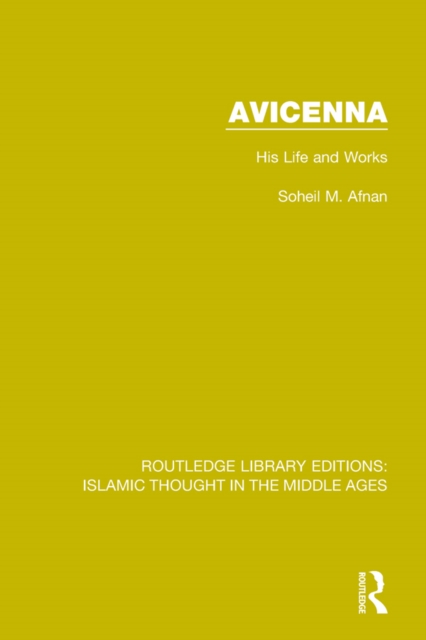
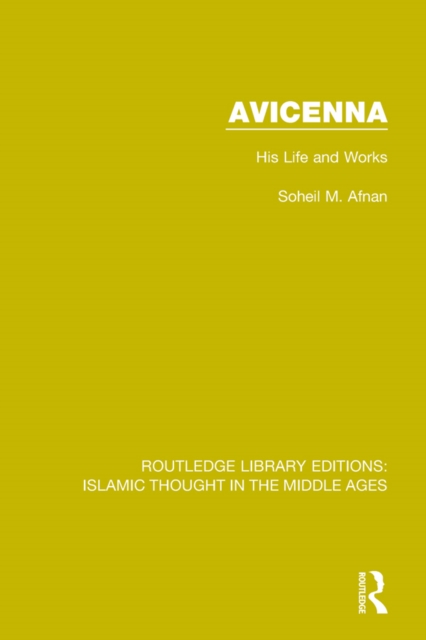
This book, first published in 1958, examines the life and works of Avicenna, one of the most provocative figures in the history of thought in the East.
This book, first published in 1958, examines the life and works of Avicenna, one of the most provocative figures in the history of thought in the East.
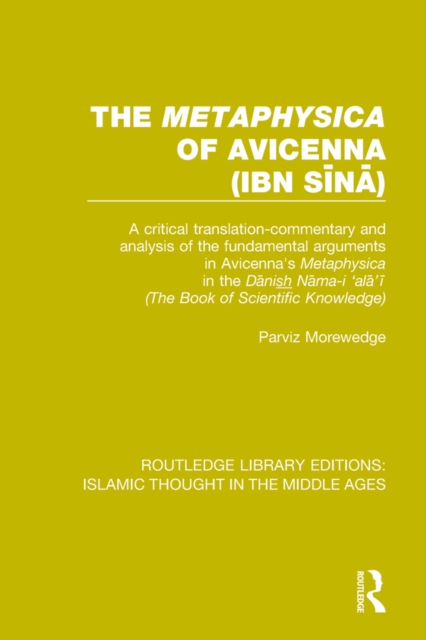
In this book, first published in 1973, Professor Parviz Morewedge, an expert on Islamic philosophy and mysticism, provides a critical exposition of one text of ibn Sina (Avicenna), the great Persian philosopher who lived from 980 to 1037.
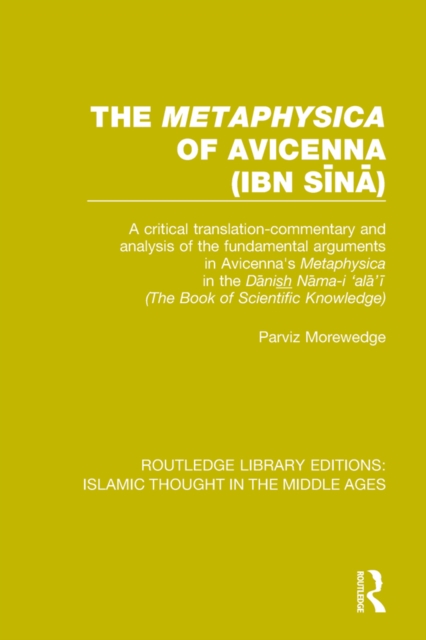
In this book, first published in 1973, Professor Parviz Morewedge, an expert on Islamic philosophy and mysticism, provides a critical exposition of one text of ibn Sina (Avicenna), the great Persian philosopher who lived from 980 to 1037.
Abu'l-Barakat is a renowned philosopher of the Arabic-Jewish milieu who composed in his magnum opus the Kitab al-Mu'tabar, a comprehensive metaphysics which challenged the accepted notions of the traditional metaphysical philosophy.
Abu'l-Barakat is a renowned philosopher of the Arabic-Jewish milieu who composed in his magnum opus the Kitab al-Mu'tabar, a comprehensive metaphysics which challenged the accepted notions of the traditional metaphysical philosophy.
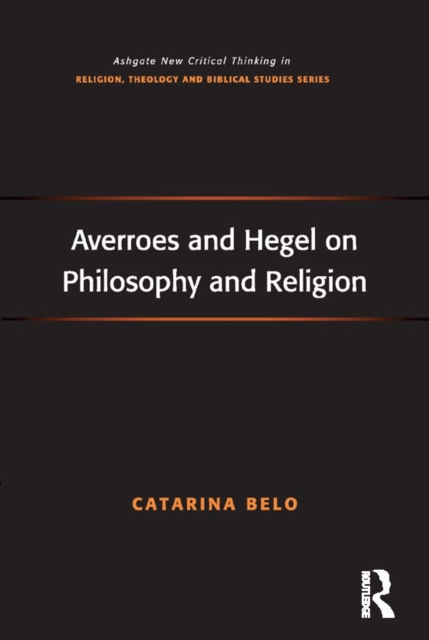
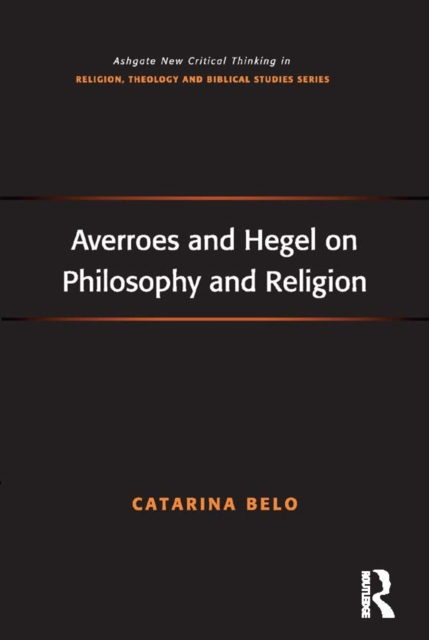
Comparing Averroes' and Hegel's positions on the relation between philosophy and religion, this book explores the theme of the authorities of faith and reason, and the origin of truth, in a medieval Islamic and a modern Christian context respectively.
Comparing Averroes' and Hegel's positions on the relation between philosophy and religion, this book explores the theme of the authorities of faith and reason, and the origin of truth, in a medieval Islamic and a modern Christian context respectively.
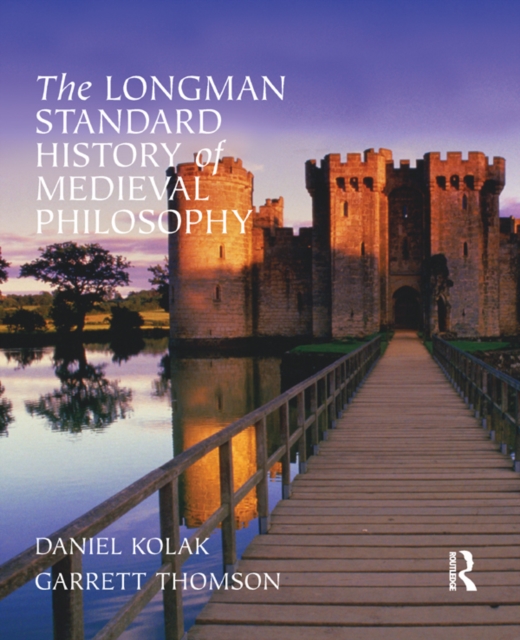
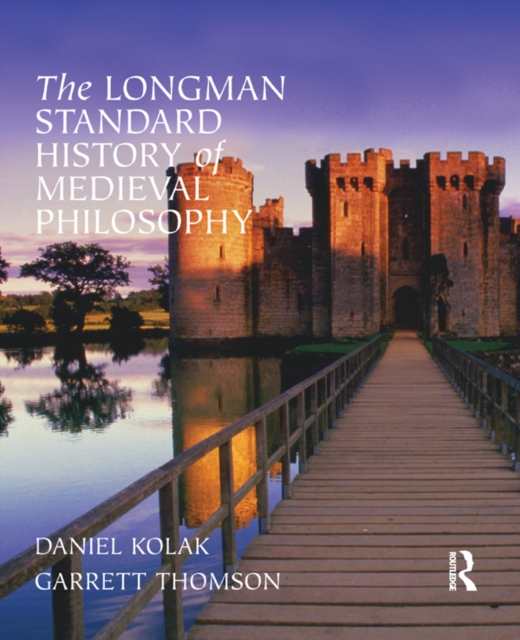
With selections of philosophers from Plotinus to Bruno, this new anthology provides significant learning support and historical context for the readings along with a wide variety of pedagogical assists.
With selections of philosophers from Plotinus to Bruno, this new anthology provides significant learning support and historical context for the readings along with a wide variety of pedagogical assists.
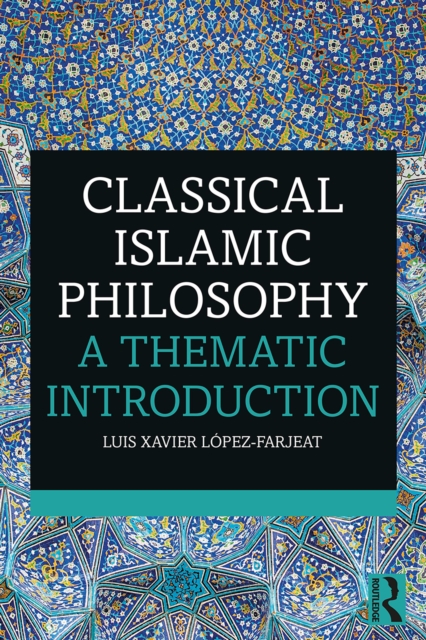
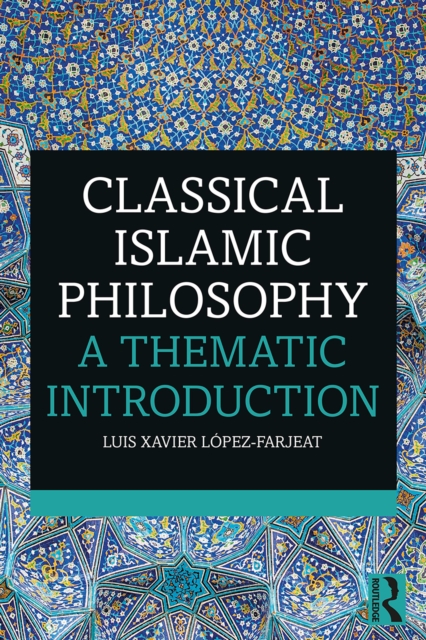
This thematic introduction to classical Islamic philosophy focuses on the most prevalent philosophical debates of the medieval Islamic world and their importance within the history of philosophy.
This thematic introduction to classical Islamic philosophy focuses on the most prevalent philosophical debates of the medieval Islamic world and their importance within the history of philosophy.
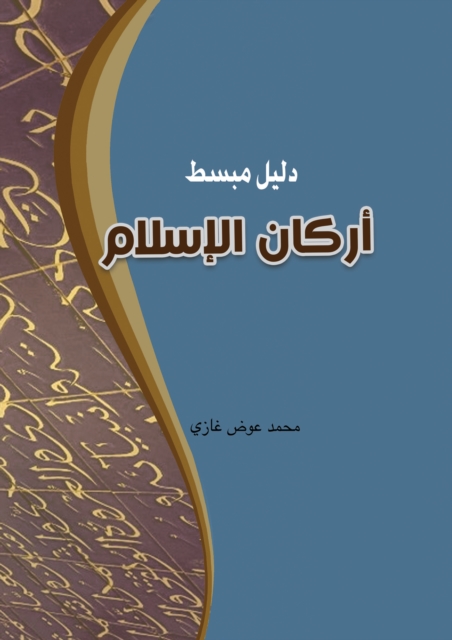
This book provides a simplified and comprehensive explanation of the five pillars of Islam that every Muslim needs to know, without getting bogged down in details related to the differences between one sect and another.
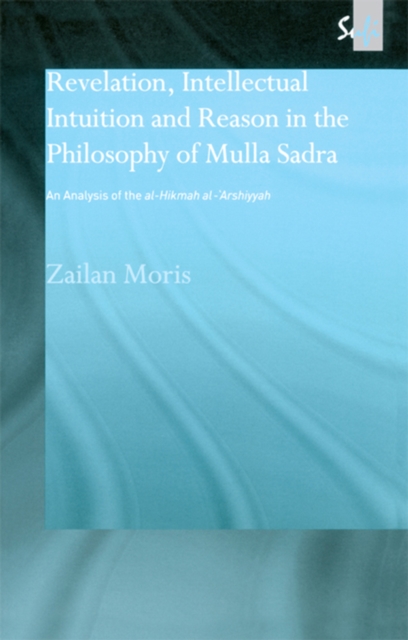
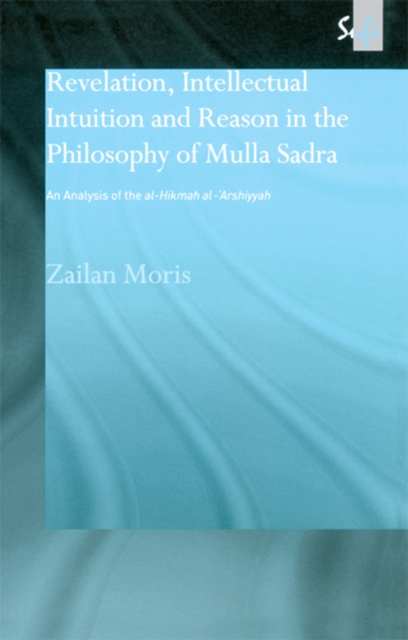
This book examines and analyses the legitimacy of the widely held claim that Mulla Sadra's philosophy (al-hikmah al-muta'aliyyah) is a synthesis of principles and doctrines drawn from revelation (wahy), gnosis ('irfan/ma'rifah) and discursive philosophy (al-hikmah al-bahthiyyah).
This book examines and analyses the legitimacy of the widely held claim that Mulla Sadra's philosophy (al-hikmah al-muta'aliyyah) is a synthesis of principles and doctrines drawn from revelation (wahy), gnosis ('irfan/ma'rifah) and discursive philosophy (al-hikmah al-bahthiyyah).
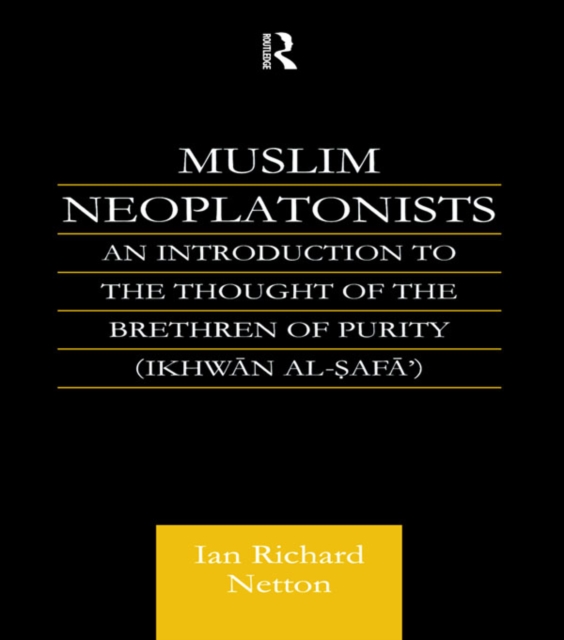
The tenth or eleventh century group of the Brethren of Purity (Ikhwan al Safa) are as well known in the Arab world as Darwin, Marx and Freud in the west.
The tenth or eleventh century group of the Brethren of Purity (Ikhwan al Safa) are as well known in the Arab world as Darwin, Marx and Freud in the west.
'Ayn al-Qudat is one of the great multi-dimensional geniuses of Islamic intellectual history and has even been described as the true father of deconstructionism, yet he remains little known and even less understood in the English speaking world.
'Ayn al-Qudat is one of the great multi-dimensional geniuses of Islamic intellectual history and has even been described as the true father of deconstructionism, yet he remains little known and even less understood in the English speaking world.