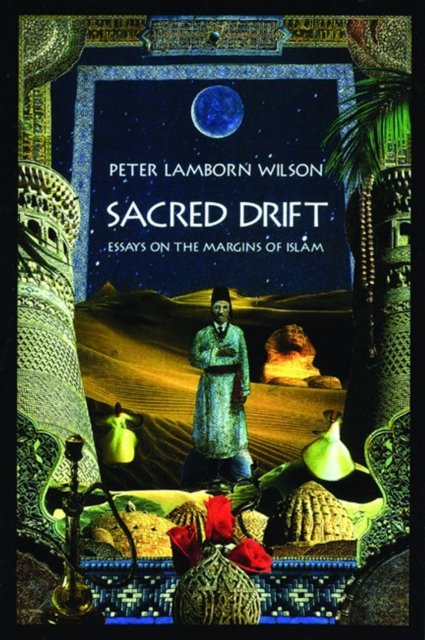
Peter Lamborn Wilson proposes a set of heresies, a culture of resistance, that dispels the false image of Islam as monolithic, puritan, and two-dimensional.
In tenth-century Iraq, a group of Arab intellectuals and scholars known as the Ikhwan al-Safa began to make their intellectual mark on the society around them.
The fullest account ever written of the fascinating nexus between Islam and Time, this is a major contribution to the wider history of ideas and religion.
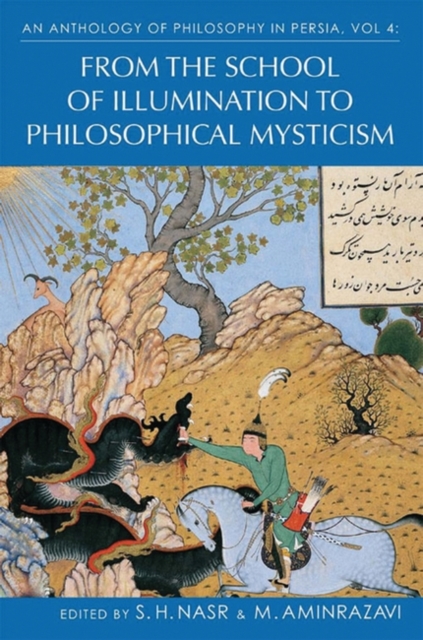
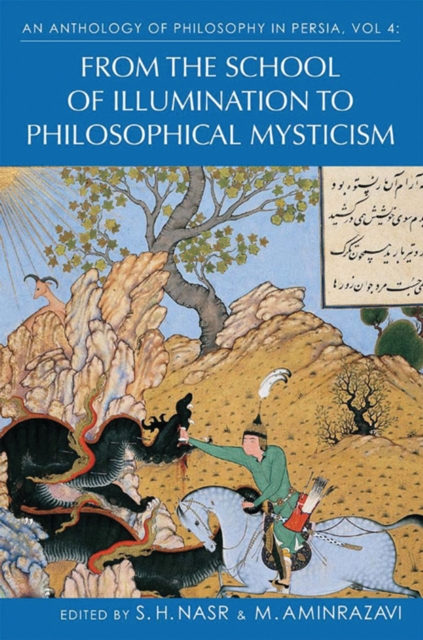
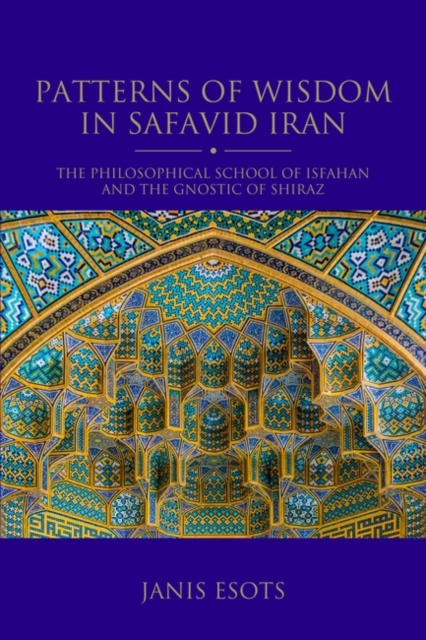
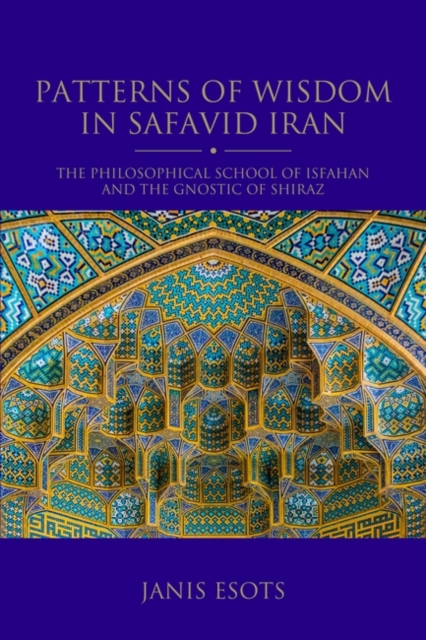
The fourth volume of the Anthology of Philosophy in Persia deals with one of the richest and yet least known periods of philosophical life in Persia, the centuries between the seventh/thirteenth century, that saw the eclipse of the school of Khorosan, and the tenth/sixteenth century that coincided with the rise of the Safavids.
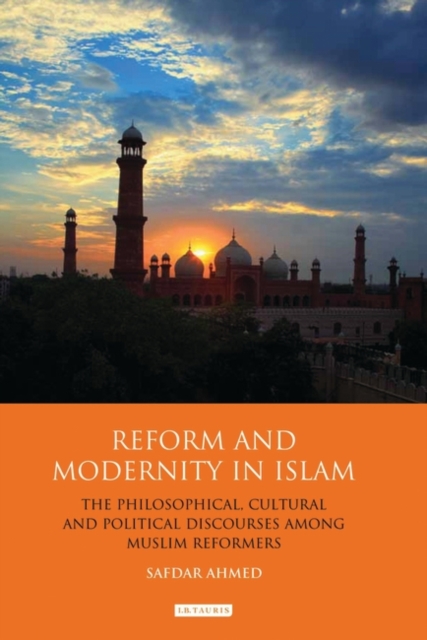
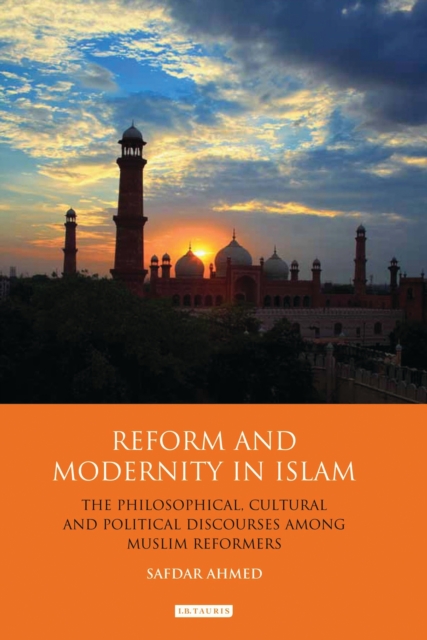
The debate over Islam and modernity tends to be approached from a Eurocentric perspective that presents Western norms as a template for progress - against which Islamic societies can be measured.
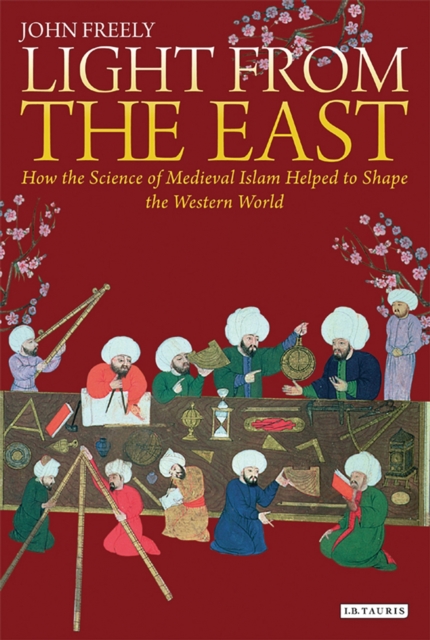
Long before the European Renaissance, while the western world was languishing in what was once called the 'Dark Ages', the Arab world was ablaze with the knowledge, invention and creativity of its Golden Age.
The debate over Islam and modernity tends to be approached from a Eurocentric perspective that presents Western norms as a template for progress - against which Islamic societies can be measured.
The fourth volume of the Anthology of Philosophy in Persia deals with one of the richest and yet least known periods of philosophical life in Persia, the centuries between the seventh/thirteenth century, that saw the eclipse of the school of Khorosan, and the tenth/sixteenth century that coincided with the rise of the Safavids.
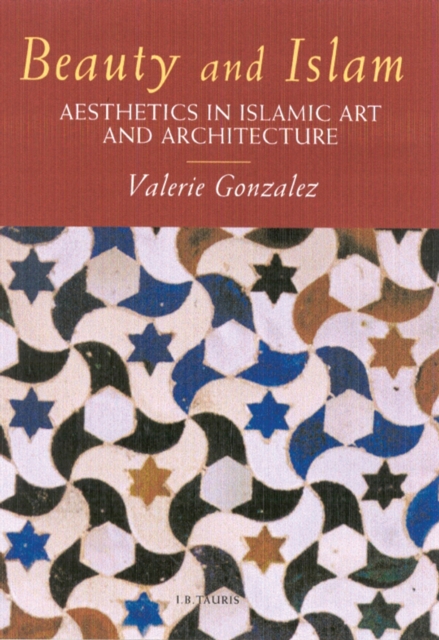
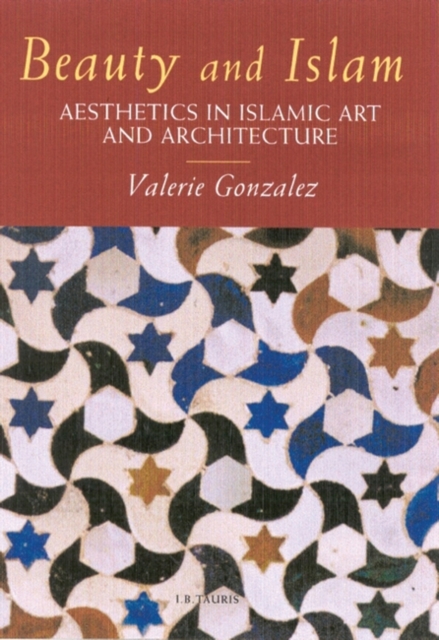
'Beauty and Islam' explores aspects of aesthetics in classical Islamic thought in the light of contemporary theories, offering new perspectives on Islamic art and architecture with examples ranging from the Qur'an and the Alhambra to the works of present day artists and philosophers.
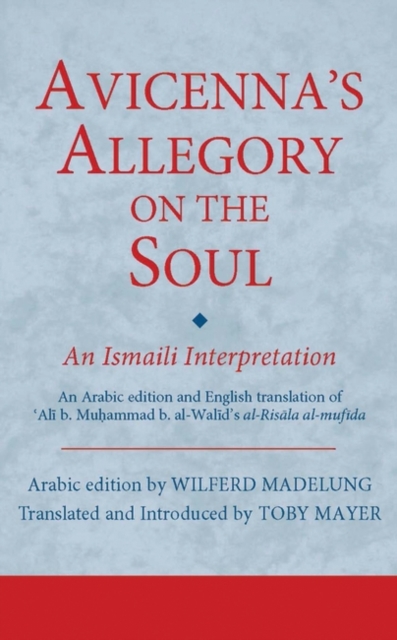
Islamic allegory is the product of a cohesive literary tradition to which few contributed as significantly as Ibn Sina (Avicenna), the eleventh-century Muslim philosopher.
'Beauty and Islam' explores aspects of aesthetics in classical Islamic thought in the light of contemporary theories, offering new perspectives on Islamic art and architecture with examples ranging from the Qur'an and the Alhambra to the works of present day artists and philosophers.
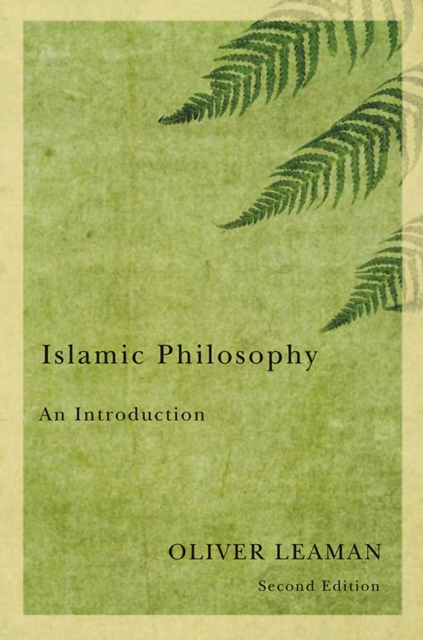
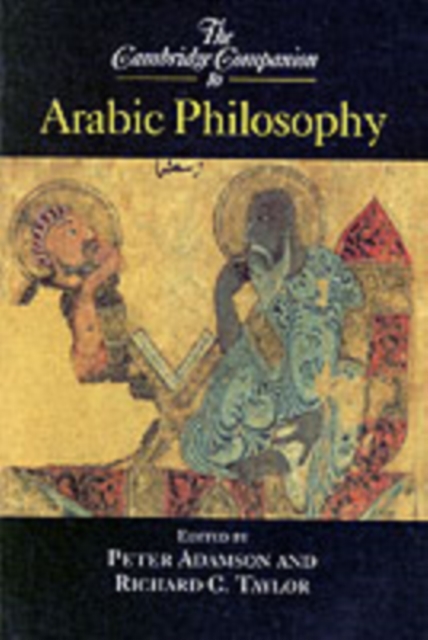
Although Islamic philosophy represents one of the leading philosophical traditions in the world, it has only recently begun to receive the attention it deserves in the non-Islamic world.
Originally published in 1926, An Introduction to the History of Medicine is a compilation of reliable and essential contributions to the subject of the history of medicine.
Originally published in 1926, An Introduction to the History of Medicine is a compilation of reliable and essential contributions to the subject of the history of medicine.
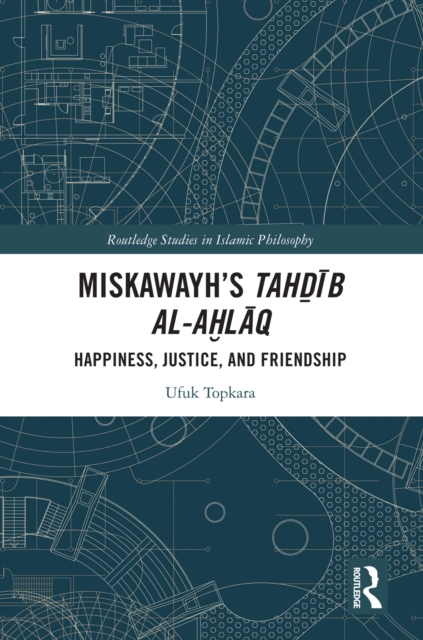
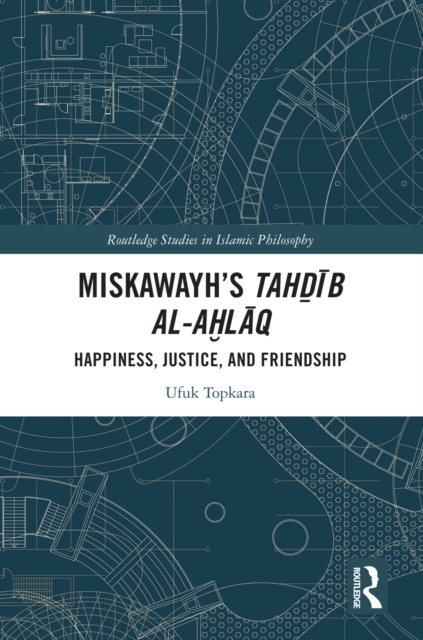
This book engages with the work of Miskawayh, a formative Islamic Philosopher in the 11th century, who is acknowledged as the founder of Islamic Moral Philosophy.
This book engages with the work of Miskawayh, a formative Islamic Philosopher in the 11th century, who is acknowledged as the founder of Islamic Moral Philosophy.
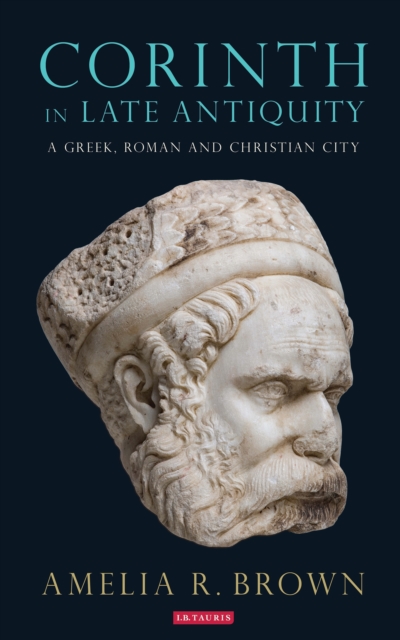
Late antique Corinth was on the frontline of the radical political, economic and religious transformations that swept across the Mediterranean world from the second to sixth centuries CE.
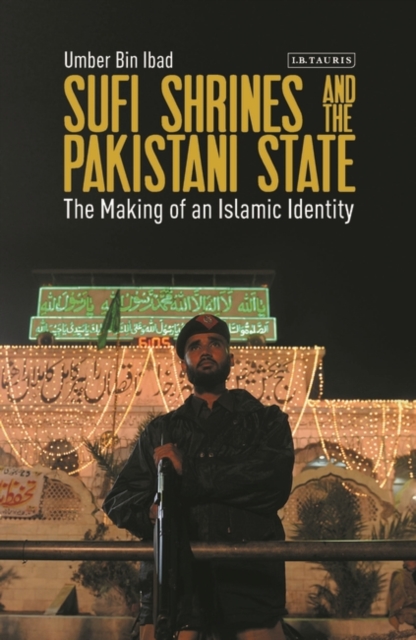
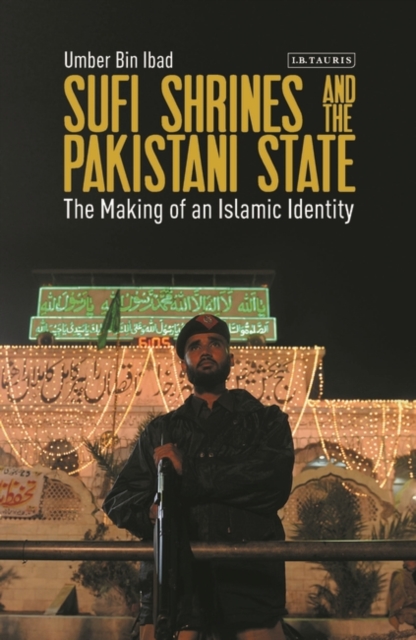
Throughout the Middle East, and in the west as well, there has been much discussion concerning the notion of Islamic rule and the application of shari'ah by the state.
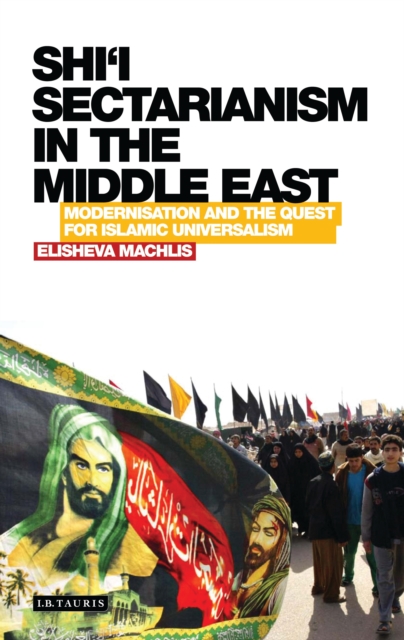
The eruption of violent sectarianism in Iraq following the US invasion in 2003 brought the question of Sunni-Shi'i relations in the country to the forefront of the international public agenda.