From antiquity to the early modern period, many philosophers also studied anatomy and medicine, or were medical doctors themselves -- yet the history of philosophy and of medicine are pursued as separate disciplines.
A game-theoretical analysis of interactions between a human being and an omnipotent and omniscient godlike being highlights the inherent unknowability of the latter''s superiority.
From antiquity to the early modern period, many philosophers also studied anatomy and medicine, or were medical doctors themselves -- yet the history of philosophy and of medicine are pursued as separate disciplines.
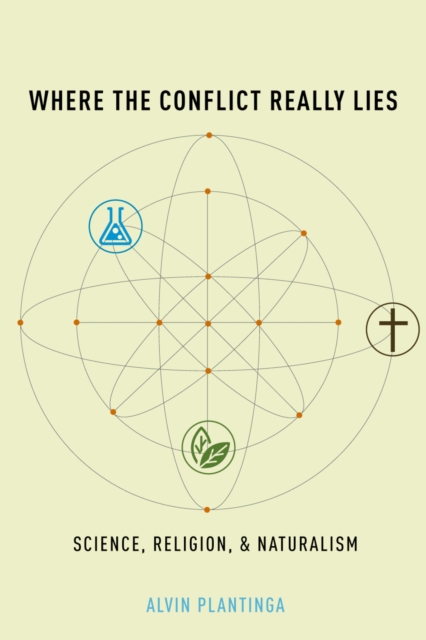
In this long-awaited book, pre-eminent analytical philosopher Alvin Plantinga argues that the conflict between science and theistic religion is actually superficial, and that at a deeper level they are in concord.
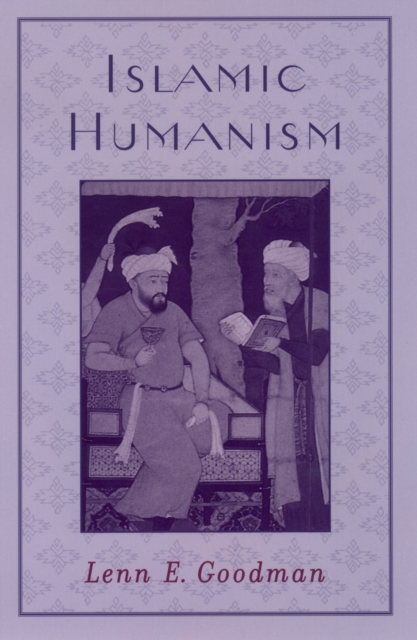
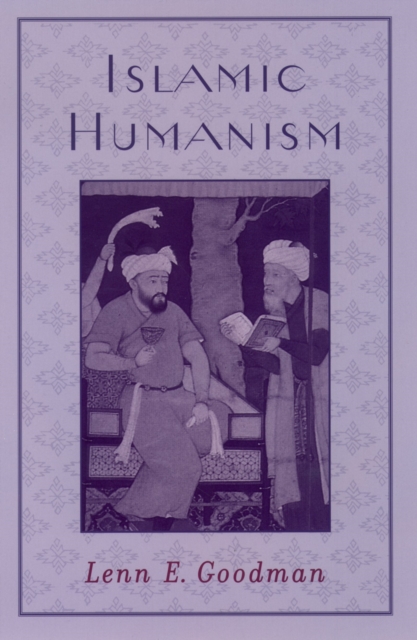
This book is an attempt to explain how, in the face of increasing religious authoritarianism in medieval Islamic civilization, some Muslim thinkers continued to pursue essentially humanistic, rational, and scientific discourses in the quest for knowledge, meaning, and values.
In this companion volume to Warrant: The Current Debate, Alvin Plantinga develops an original approach to the question of epistemic warrant; that is what turns true belief into knowledge.
In this long-awaited book, pre-eminent analytical philosopher Alvin Plantinga argues that the conflict between science and theistic religion is actually superficial, and that at a deeper level they are in concord.
Icon of modern-day fundamentalist movements, firebrand religious purist, tireless polemicist against the intellectual schools of his time-the Ibn Taymiyya we know is a thinker we often associate with hard attitudes and dogmatic stances.
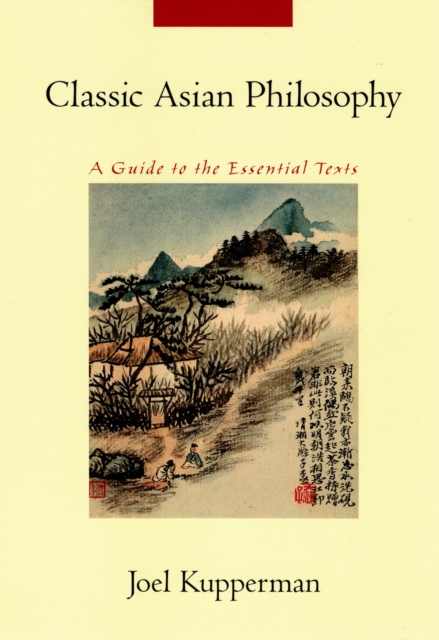
The Oxford Handbook of World Philosophy provides the advanced student or scholar a set of introductions to each of the world's major non-European philosophical traditions.
Over the course of the last 1400 years, Islam has grown from a small band of followers on the Arabian peninsula into a global religion of over a billion believers.
Over the course of the last 1400 years, Islam has grown from a small band of followers on the Arabian peninsula into a global religion of over a billion believers.
This book is an attempt to explain how, in the face of increasing religious authoritarianism in medieval Islamic civilization, some Muslim thinkers continued to pursue essentially humanistic, rational, and scientific discourses in the quest for knowledge, meaning, and values.
In this companion volume to Warrant: The Current Debate, Alvin Plantinga develops an original approach to the question of epistemic warrant; that is what turns true belief into knowledge.
This book introduces readers to Abu Bakr al-Razi (known in Latin as Rhazes), one of the most innovative and divisive figures of the early philosophical tradition in the Islamic world.
This book introduces readers to Abu Bakr al-Razi (known in Latin as Rhazes), one of the most innovative and divisive figures of the early philosophical tradition in the Islamic world.
The rapid expansion of the halal industry and its markets has occurred not only in the heavily Islamic regions of Southeast Asia and the Middle East, but also in more unexpected countries such as Turkey, Japan, and South Korea, plus many others around the world.
The rapid expansion of the halal industry and its markets has occurred not only in the heavily Islamic regions of Southeast Asia and the Middle East, but also in more unexpected countries such as Turkey, Japan, and South Korea, plus many others around the world.
Philips defends a middle ground between the view that there is a set of standards binding on rational beings as such (universalism) and the view that differences in morals reduce ultimately to matters of taste (skepticism).
Charting a "e;middle way"e; between the extremes represented by Alvin Plantinga and Richard Swinburne, Garth Hallett explores the thesis that if belief in other minds is rational and true (as it surely is), so too is belief in God.