The fourth volume of the Anthology of Philosophy in Persia deals with one of the richest and yet least known periods of philosophical life in Persia, the centuries between the seventh/thirteenth century, that saw the eclipse of the school of Khorosan, and the tenth/sixteenth century that coincided with the rise of the Safavids.
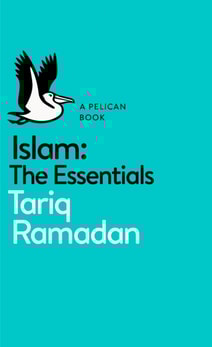
The debate over Islam and modernity tends to be approached from a Eurocentric perspective that presents Western norms as a template for progress - against which Islamic societies can be measured.
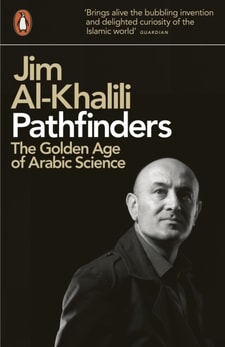
Long before the European Renaissance, while the western world was languishing in what was once called the 'Dark Ages', the Arab world was ablaze with the knowledge, invention and creativity of its Golden Age.
The debate over Islam and modernity tends to be approached from a Eurocentric perspective that presents Western norms as a template for progress - against which Islamic societies can be measured.
The fourth volume of the Anthology of Philosophy in Persia deals with one of the richest and yet least known periods of philosophical life in Persia, the centuries between the seventh/thirteenth century, that saw the eclipse of the school of Khorosan, and the tenth/sixteenth century that coincided with the rise of the Safavids.
'Beauty and Islam' explores aspects of aesthetics in classical Islamic thought in the light of contemporary theories, offering new perspectives on Islamic art and architecture with examples ranging from the Qur'an and the Alhambra to the works of present day artists and philosophers.
In Arguing Sainthood, Katherine Pratt Ewing examines Sufi religious meanings and practices in Pakistan and their relation to the Westernizing influences of modernity and the shaping of the postcolonial self.
Islamic allegory is the product of a cohesive literary tradition to which few contributed as significantly as Ibn Sina (Avicenna), the eleventh-century Muslim philosopher.
'Beauty and Islam' explores aspects of aesthetics in classical Islamic thought in the light of contemporary theories, offering new perspectives on Islamic art and architecture with examples ranging from the Qur'an and the Alhambra to the works of present day artists and philosophers.
Although Islamic philosophy represents one of the leading philosophical traditions in the world, it has only recently begun to receive the attention it deserves in the non-Islamic world.
A compelling book that casts the Qur'anic encounter with Jews in an entirely new lightIn this panoramic and multifaceted book, Meir Bar-Asher examines how Jews and Judaism are depicted in the Qur'an and later Islamic literature, providing needed context to those passages critical of Jews that are most often invoked to divide Muslims and Jews or to promote Islamophobia.
The Deoband movementa revivalist movement within Sunni Islam that quickly spread from colonial India to Pakistan, Afghanistan, Bangladesh, and even the United Kingdom and South Africahas been poorly understood and sometimes feared.
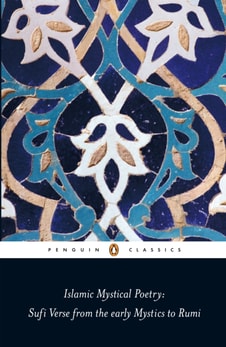
It has been argued that the mystical Sufi form of Islam is the most sensitive to other cultures, being accommodative to other traditions and generally tolerant to peoples of other faiths.
This book explores how Sufis approach their faith as Muslims, upholding an Islamic worldview, but going about making sense of their religion through the world in which they exist, often in unexpected ways.