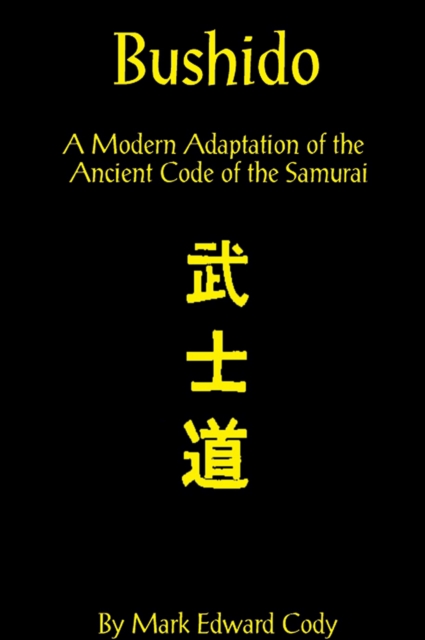
Bushido: A Modern Adaptation of the Ancient Code of the Samurai attempts to address the violent nature of the human spirit and to harness and redirect that trait into a constructive force for the betterment of mankind.
COVER IV The novelties, scientifically substantiated as theses and points of view: a law The Law of nature and of mankind"e;, which directs the people's way of being and which represents "e;the source and engine"e; which gives the world a shape and content in time and space; an invention The live protection shield, which ensures the dialectics of work of organization and management at the level of state administration, directly proportional with the dialectics of the mans intellectual force, which partly and all together become the base of initiation, organization and leadership of a peaceful revolutionary world process, benefic for each social class, for each small or big national state, rich or poor, regardless of the social-economical organization that it has, the humanity being able to be placed from the "e;orbit of social injustices to the orbit of social justices, the life and activity of the human species entering into normality and in consensus with the laws of nature.
Radical understanding of ourselves is now possible to our very coregreater insight into whom we really are, where we came from, what our evolution has been, what it has meant, and what it means now and for the future.
Positive humanism is an applied secular humanistic philosophy based on the scientific findings of positive psychology that focuses on personal, professional, and societal flourishing.
SCULPTING SENTENTIAE An Art Form of Independent Philosophy contains 406 original sententiae (statements) plus a preface discussing why the author considers this type of philosophical writing to be an art form.
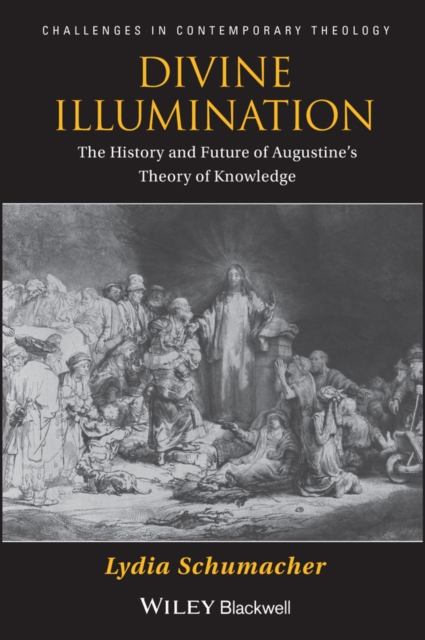
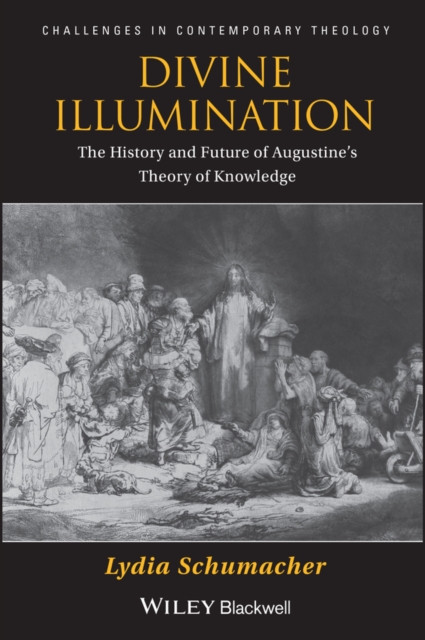
DIVINE ILLUMINATION An important and ground-breaking study which links growing interest in Augustine and medieval philosophy with cutting-edge questions in contemporary philosophy of religion, particularly concerning epistemology and the rationality of religion.
DIVINE ILLUMINATION An important and ground-breaking study which links growing interest in Augustine and medieval philosophy with cutting-edge questions in contemporary philosophy of religion, particularly concerning epistemology and the rationality of religion.
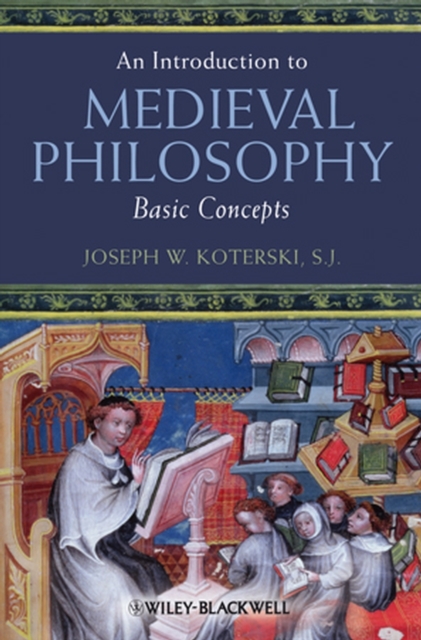
By exploring the philosophical character of some of the greatest medieval thinkers, An Introduction to Medieval Philosophy provides a rich overview of philosophy in the world of Latin Christianity.
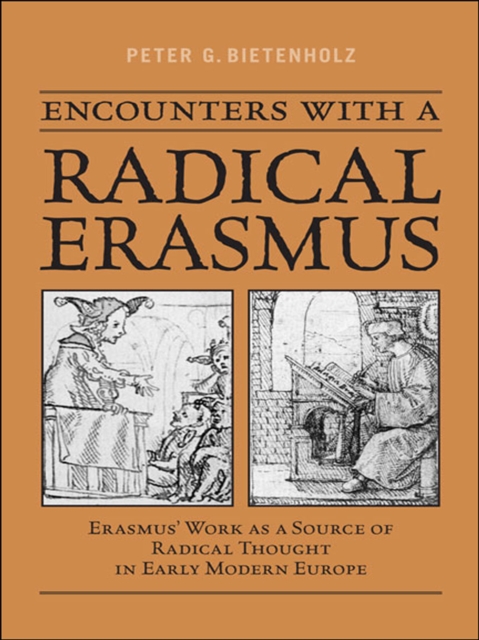
Although Erasmus is now accepted as a harbinger of liberal trends in mainstream Christian theology, the radical - even subversive - aspects of his work have received less attention.
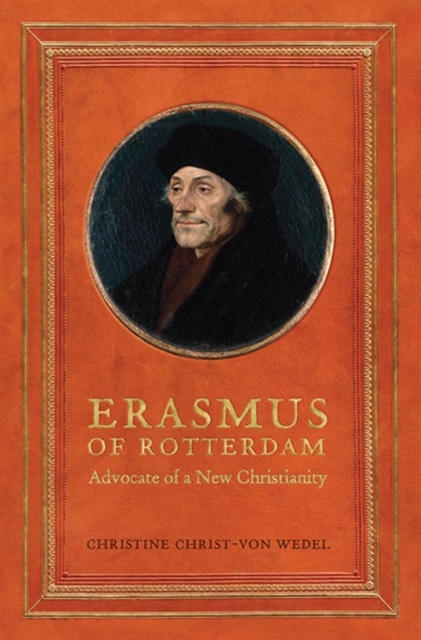
Desiderius Erasmus' humanist works were influential throughout Europe, in various areas of thought including theology, education, philology, and political theory.
The case of Johann Reuchlin, one of the best-known controversies of the 16th century, has been interpreted in many ways: as a case of anti-Semitism, a controversy between humanists and scholastics, or a case foreshadowing the Reformation debate.
Erasmus was fascinated by proverbs and prepared a collection of more than 4,000 of them, accompanying each with his comments, sometimes in a few lines and sometimes in full-scale essays.
Cosmopoiesis means world-making, and in this erudite, polemical book, Professor Mazzotta traces how major medieval and Renaissance thinkers invented their worlds through utopias, magic, science, art, and theatre.
This book provides the first analysis of the development of Erasmus’ historical methodology and its impact on Roman Catholic and Protestant theologians.
This book provides the first analysis of the development of Erasmus’ historical methodology and its impact on Roman Catholic and Protestant theologians.
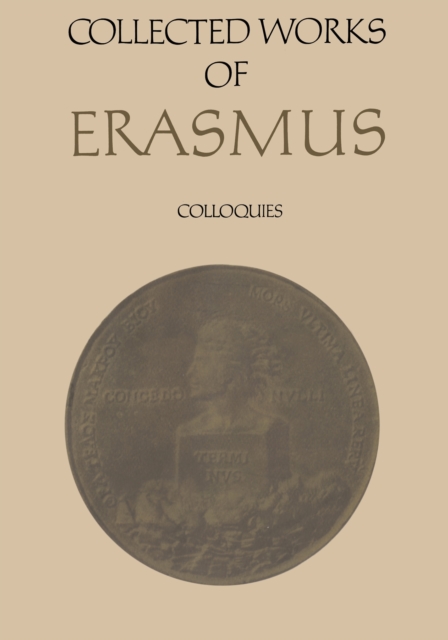
Erasmus' Familiar Colloquies grew from a small collection of phrases, sentences, and snatches of dialogue written in Paris about 1497 to help his private pupils improve their command of Latin.
The appearance of a fourth printing of The Renaissance and English Humanism indicated the scholarly success this book has enjoyed for more than a decade.
Augustine and Roman Virtue seeks to correct what the author sees as a fundamental misapprehension in medieval thought, a misapprehension that fuels further problems and misunderstandings in the historiography of philosophy.
This book brings Aquinas and Heidegger into dialogue and offers an original and comprehensive rethinking of the nature of temporality and the origins of metaphysical inquiry.
Augustine and Roman Virtue seeks to correct what the author sees as a fundamental misapprehension in medieval thought, a misapprehension that fuels further problems and misunderstandings in the historiography of philosophy.
This book brings Aquinas and Heidegger into dialogue and offers an original and comprehensive rethinking of the nature of temporality and the origins of metaphysical inquiry.