The interpretive literature in the history of political thought is now vast, complex and esoteric, posing as much a barrier to the understanding of the undergraduate student as it offers assistance.
From time immemorial, concern with timing of life has been crucial for the regulation of human praxis as well as for the philosophical quest to understand existence by seeking its meaning.
Forming the Mind deals with the internal senses, the mind/body problem and other problems associated with the concept of mind as it developed from Avicenna to the medical Enlightenment.
Modern mechanics was forged in the seventeenth century from materials inherited from Antiquity and transformed in the period from the Middle Ages through to the sixteenth century.
Perhaps one of the most striking characteristics of later medieval philosophy and science is the remarkable unity with which the different fields of investigation were articulated to each other, in particular with respect to the methodology used.
Purpose Moses Maimonides' Guide of the Perplexed is pervaded by a p- manent tension regarding the possibility and extent of the knowledge of God by a created intellect, which lies at the roots of the 13th century controversy over Maimonides' writings.
A number of Jewish philosophers active in Spain and Italy in the second half of the 15th century (Abraham Bibago, Baruch Ibn Ya'ish, Abraham Shalom, Eli Habillo, Judah Messer Leon) wrote Hebrew commentaries and questions on Aristotle.
A comprehensive and accessible account of the life and thought of Judaism's most celebrated philosopherMaimonides was the greatest Jewish philosopher and legal scholar of the medieval period, a towering figure who has had a profound and lasting influence on Jewish law, philosophy, and religious consciousness.
This book gathers wide-ranging essays on the Italian Renaissance philosopher and cosmologist Giordano Bruno by one of the world's leading authorities on his work and life.
This volume features articles which employ source-work research to trace Kierkegaard's understanding and use of authors from the Patristic and Medieval traditions.
This volume features articles which employ source-work research to trace Kierkegaard's understanding and use of authors from the Patristic and Medieval traditions.
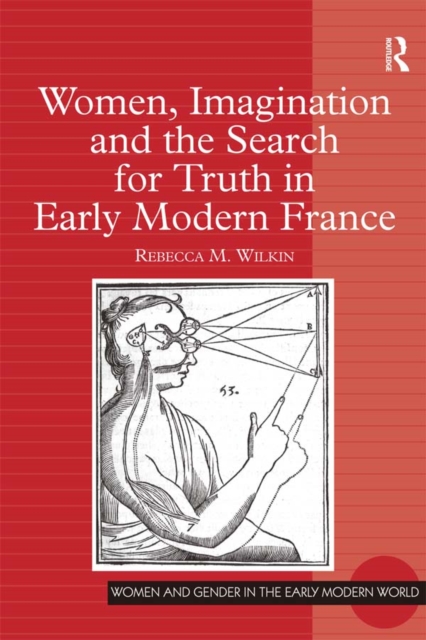
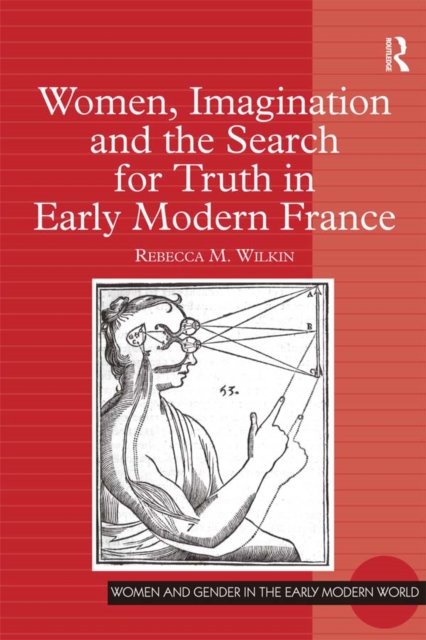
Grounded in medical, juridical, and philosophical texts of sixteenth- and seventeenth-century France, this innovative study tells the story of how the idea of woman contributed to the emergence of modern science.
Grounded in medical, juridical, and philosophical texts of sixteenth- and seventeenth-century France, this innovative study tells the story of how the idea of woman contributed to the emergence of modern science.
In the 20th century theorists of mind were almost exclusively concerned with various versions of the materialist thesis, but prior to current debates accounts of soul and mind reveal an extraordinary richness and complexity which bear careful and impartial investigation.
In the 20th century theorists of mind were almost exclusively concerned with various versions of the materialist thesis, but prior to current debates accounts of soul and mind reveal an extraordinary richness and complexity which bear careful and impartial investigation.
Without denying the real importance of the more traditional tasks of a historian of ideas or scholar of literature - the edition of a text and research into its sources and influence - Professor Flints objective has been to look sideways from the texts, so into the society to which their authors belonged.
For metaphysicians who have imbibed the sober and inebriating teachings of Thomas Aquinas, existence is an act, the act which makes all things actually to be.