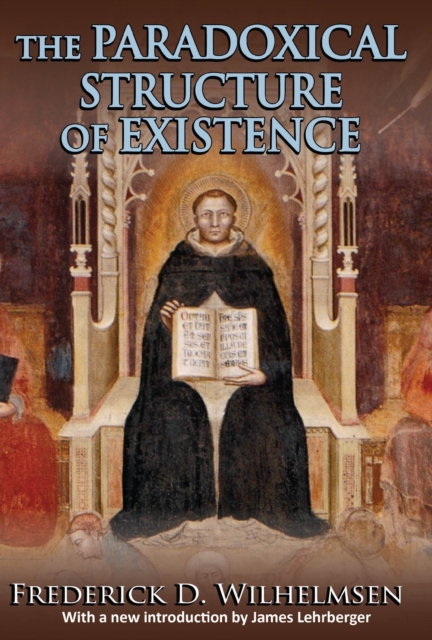
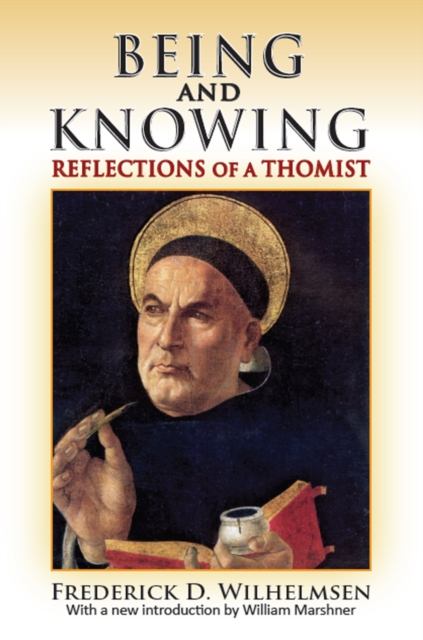
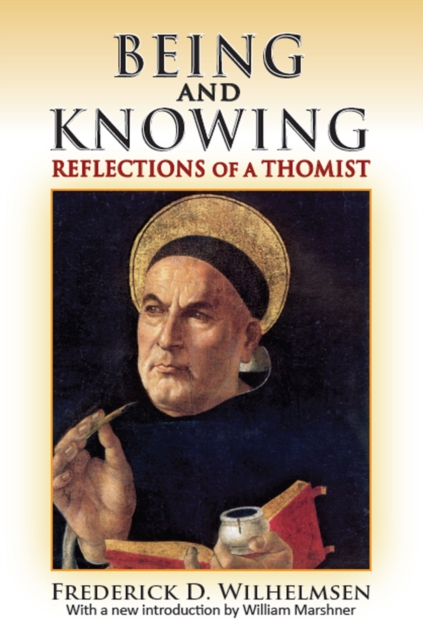
For metaphysicians who have imbibed the sober and inebriating teachings of Thomas Aquinas, existence is an act, the act which makes all things actually to be.
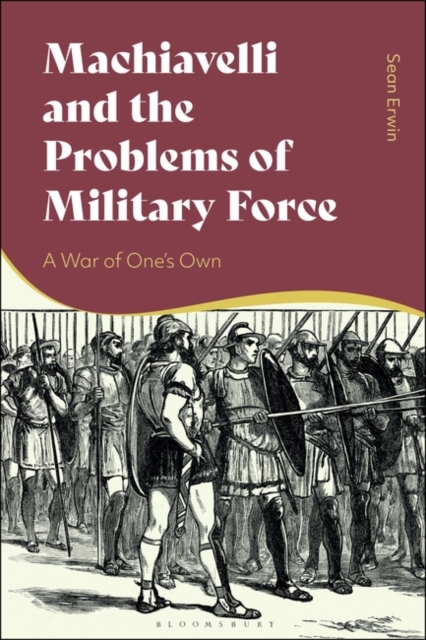
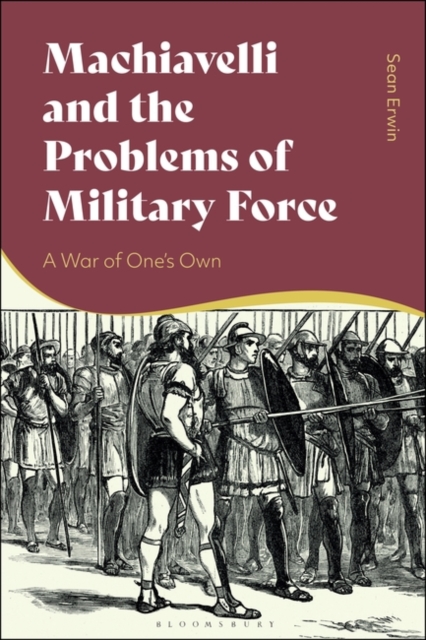
Central to Niccol Machiavelli's writing is the argument that a successful state is one that prefers to lose with its own arms (arma propriis) than to win with the arms of others (arma alienis).
Central to Niccol Machiavelli's writing is the argument that a successful state is one that prefers to lose with its own arms (arma propriis) than to win with the arms of others (arma alienis).
Tackling the question of why medieval philosophy matters in the current age, Stephen Boulter issues a passionate and robust defence of this school in the history of ideas.
Tackling the question of why medieval philosophy matters in the current age, Stephen Boulter issues a passionate and robust defence of this school in the history of ideas.
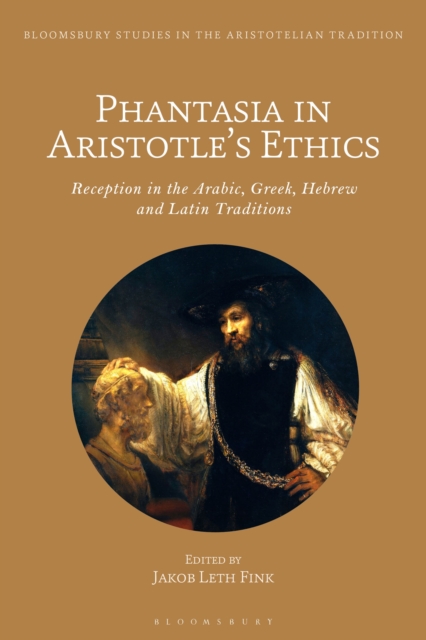
In the Nicomachean Ethics, Aristotle suggests that a moral principle 'does not immediately appear to the man who has been corrupted by pleasure or pain'.
In the Nicomachean Ethics, Aristotle suggests that a moral principle 'does not immediately appear to the man who has been corrupted by pleasure or pain'.
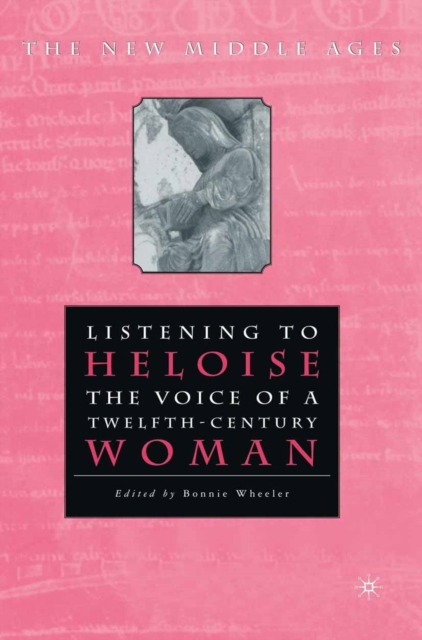
Heloise, the twelfth-century French abbess and reformer, emerges from this book as one of history's most extraordinary women, a thinker-writer of profound insight and skill.
The encounter between the West and India in the modern period has also been an encounter between Western modernity and the traditions of classical Indian thought.
The encounter between the West and India in the modern period has also been an encounter between Western modernity and the traditions of classical Indian thought.
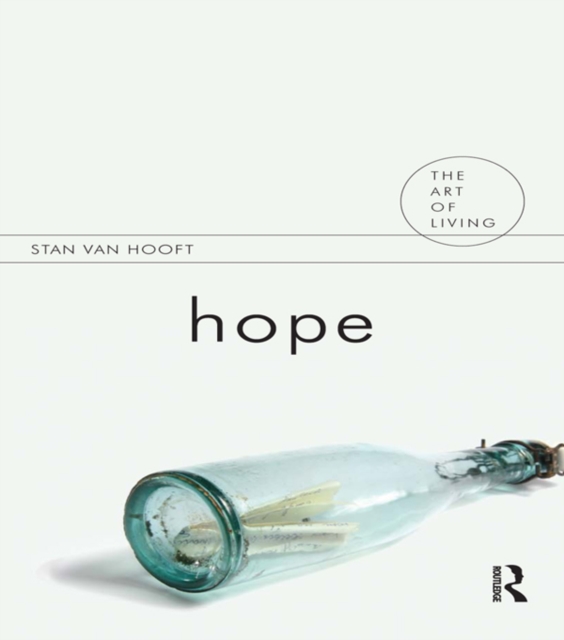
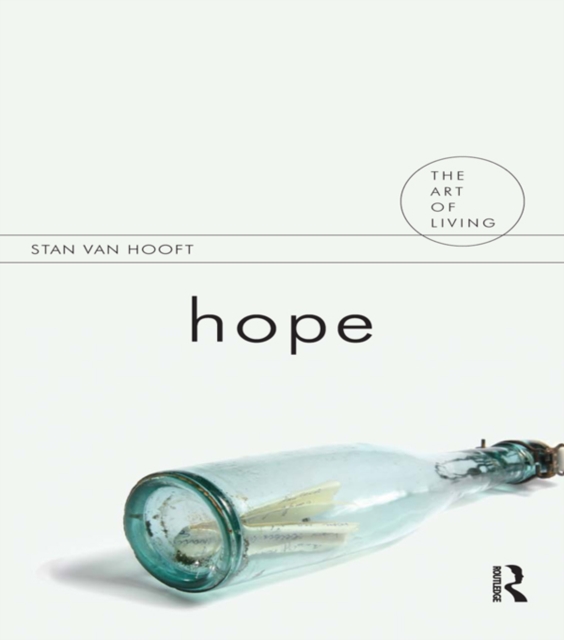
From the now iconic Barack Obama 'Hope' poster of the 2008 presidential campaign to the pit-head 'Camp Hope' of the families of the trapped Chilean miners, the language of hope can be hugely powerful as it draws on resources that are uniquely human and universal.
From the now iconic Barack Obama 'Hope' poster of the 2008 presidential campaign to the pit-head 'Camp Hope' of the families of the trapped Chilean miners, the language of hope can be hugely powerful as it draws on resources that are uniquely human and universal.
This collection of essays showcases the most important and influential philosophical works of the ancient and medieval period, roughly from 600 BC to AD 1600.
This collection of essays showcases the most important and influential philosophical works of the ancient and medieval period, roughly from 600 BC to AD 1600.
Evagrius of Pontus and Gregory of Nyssa have either been overlooked by philosophers and theologians in modern times, or overshadowed by their prominent friend and brother (respectively), Gregory Nazianzus and Basil the Great.
Evagrius of Pontus and Gregory of Nyssa have either been overlooked by philosophers and theologians in modern times, or overshadowed by their prominent friend and brother (respectively), Gregory Nazianzus and Basil the Great.
This work is a guide to the life, thought and activities of Nicholas of Cusa (1401-1464), the great fifteenth-century philosopher, theologian, jurist, author of mystical and ecclesiastical treatises, cardinal and reformer.
This work is a guide to the life, thought and activities of Nicholas of Cusa (1401-1464), the great fifteenth-century philosopher, theologian, jurist, author of mystical and ecclesiastical treatises, cardinal and reformer.
The notions of mental representation and intentionality are central to contemporary philosophy of mind and it is usually assumed that these notions, if not originated, at least were made essential to the philosophy of mind by Descartes in the seventeenth century.
The notions of mental representation and intentionality are central to contemporary philosophy of mind and it is usually assumed that these notions, if not originated, at least were made essential to the philosophy of mind by Descartes in the seventeenth century.
This is an updated edition of John Cottingham''s acclaimed translation of Descartes''s philosophical masterpiece, including an abridgement of Descartes''s Objections and Replies.
This is an updated edition of John Cottingham''s acclaimed translation of Descartes''s philosophical masterpiece, including an abridgement of Descartes''s Objections and Replies.