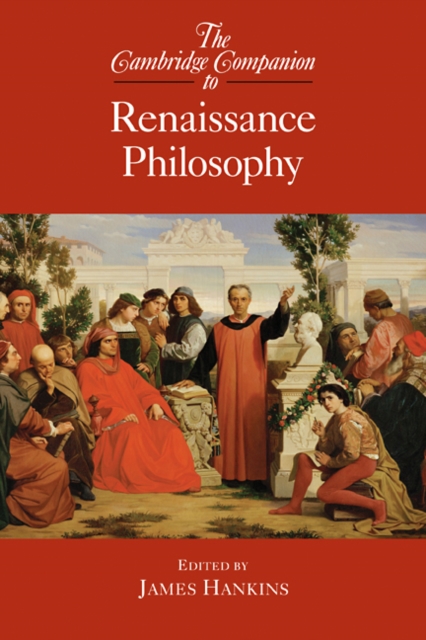
With selections of philosophers from Plotinus to Bruno, this new anthology provides significant learning support and historical context for the readings along with a wide variety of pedagogical assists.
With selections of philosophers from Plotinus to Bruno, this new anthology provides significant learning support and historical context for the readings along with a wide variety of pedagogical assists.
This collection comprises over fifty specially commissioned essays exploring developments in medieval philosophy from logic to ethics, metaphysics to theology.
This collection comprises over fifty specially commissioned essays exploring developments in medieval philosophy from logic to ethics, metaphysics to theology.
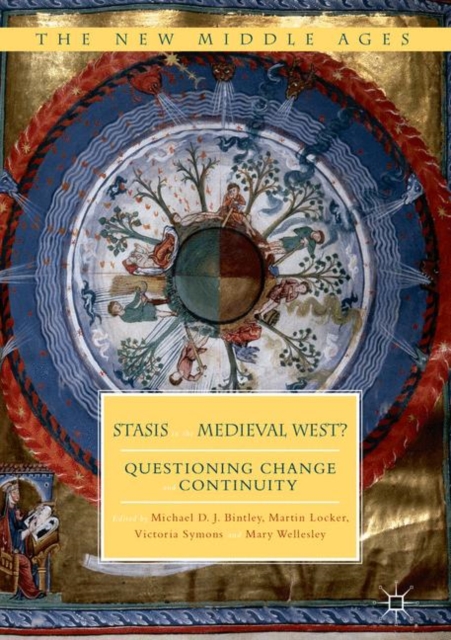
This volume questions the extent to which Medieval studies has emphasized the period as one of change and development through reexamining aspects of the medieval world that remained static.
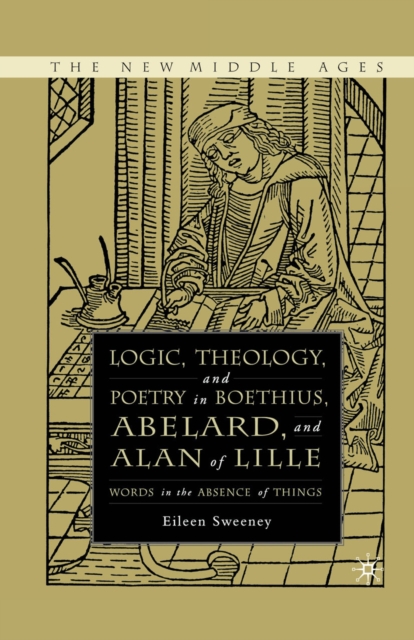
This interdisciplinary study offers an interpretation of the major logical, philosophical/theological and poetic writings of Boethius, Abelard and Alan of Lille.
A positive assessment of secularism and the possibilities it offers for a genuinely meaningful life without religion Although there is no shortage of recent books arguing against religion, few offer a positive alternative—how anyone might live a fulfilling life without the support of religious beliefs.
Aquinas and Radical Orthodoxy investigates the encounter of the most vibrant and controversial trend in recent theology with the greatest Christian thinker of the Middle Ages.
Aquinas and Radical Orthodoxy investigates the encounter of the most vibrant and controversial trend in recent theology with the greatest Christian thinker of the Middle Ages.
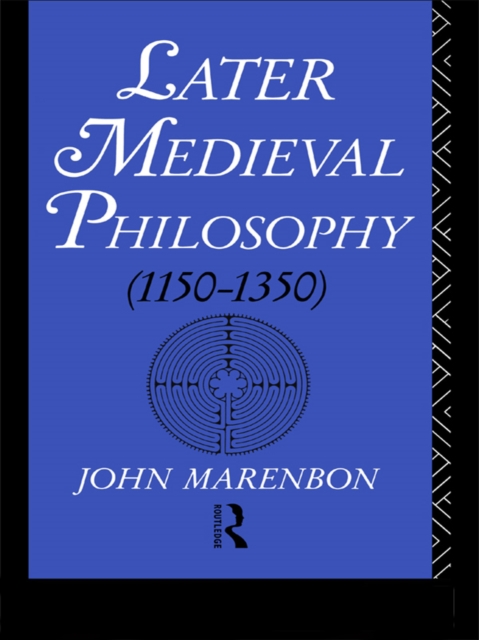
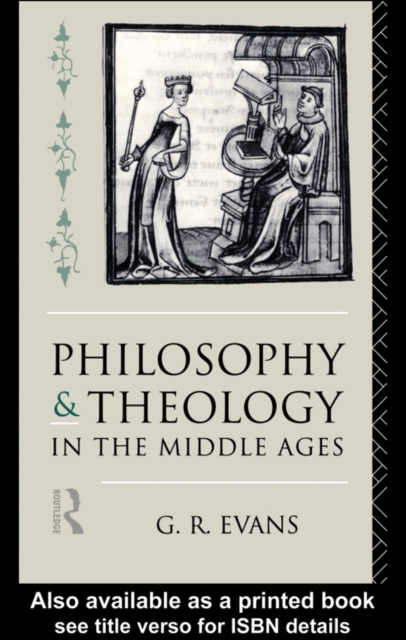
This introduction to philosophy in the Latin West between 1150 and 1350 combines an historical approach, which concentrates on the sources, forms and backgrounds of the medieval works, with philosophical analysis of thirteenth and fourteenth-century writing in terms comprehensible to a modern reader.
This introduction to philosophy in the Latin West between 1150 and 1350 combines an historical approach, which concentrates on the sources, forms and backgrounds of the medieval works, with philosophical analysis of thirteenth and fourteenth-century writing in terms comprehensible to a modern reader.
She, This in Blak takes a fresh look at Chaucer's great Trojan romance, Troilus and Criseyde, in light of recent scholarship on late scholastic discourses on representation and causality as they pertain to human perception and judgment.
She, This in Blak takes a fresh look at Chaucer's great Trojan romance, Troilus and Criseyde, in light of recent scholarship on late scholastic discourses on representation and causality as they pertain to human perception and judgment.
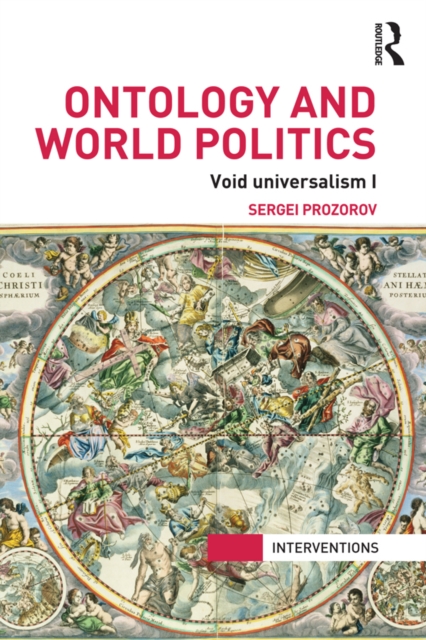
Together these two companion volumes develop an innovative theory of world politics, grounded in the reinterpretation of the concepts of 'world' and 'politics' from an ontological perspective.
Together these two companion volumes develop an innovative theory of world politics, grounded in the reinterpretation of the concepts of 'world' and 'politics' from an ontological perspective.
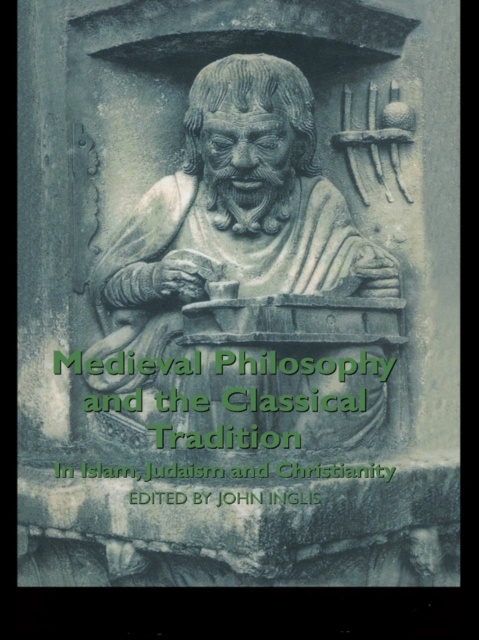
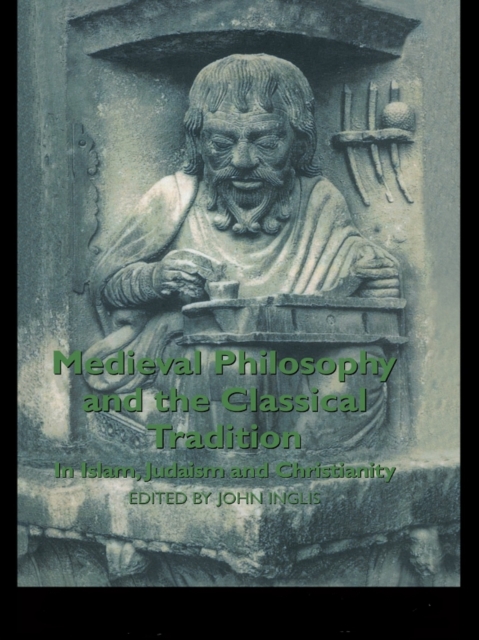
The philosophy discussed in this volume constitutes the intellectual and philosophical ideas of the medieval era, from Aquinas and Anselm, the intellectual philosophy of the Judaic and Arabic traditions, the Twelfth Century Renaissance and the philosophical ideas associated with the emergence of the universities.
The philosophy discussed in this volume constitutes the intellectual and philosophical ideas of the medieval era, from Aquinas and Anselm, the intellectual philosophy of the Judaic and Arabic traditions, the Twelfth Century Renaissance and the philosophical ideas associated with the emergence of the universities.
The final volume to be published in the acclaimed Routledge History of Philosophy series provides an authoritative and comprehensive survey and analysis of the key areas of late Greek and early Christian Philosophy.
The final volume to be published in the acclaimed Routledge History of Philosophy series provides an authoritative and comprehensive survey and analysis of the key areas of late Greek and early Christian Philosophy.
This book shows how the mature writings of Thomas Aquinas though written in the thirteenth century have much to offer the human mind and the relationship between intellect and will, body and soul.