First published in 1752, Excerpt from the Doctrine of Reason [Auszug aus der Vernunftlehre] was written as a textbook and widely adopted by many 18th-century German instructors, but most notably by Immanuel Kant.
Designed as a textbook for use in courses on natural theology and used by Immanuel Kant as the basis for his Lectures on The Philosophical Doctrine of Religion, Johan August Eberhard's Preparation for Natural Theology (1781) is now available in English for the first time.
Designed as a textbook for use in courses on natural theology and used by Immanuel Kant as the basis for his Lectures on The Philosophical Doctrine of Religion, Johan August Eberhard's Preparation for Natural Theology (1781) is now available in English for the first time.
Written by Dr Roy Jackson, who is Course Leader in Religion, Philosophy and Ethics at the University of Gloucestershire, Nietzsche: A Complete Introduction is designed to give you everything you need to succeed, all in one place.
Hegel's critique of Early German Romanticism and its theory of irony resonates to the core of his own philosophy in the same way that Plato's polemics with the Sophists have repercussions that go to the centre of his thought.
Hegel's critique of Early German Romanticism and its theory of irony resonates to the core of his own philosophy in the same way that Plato's polemics with the Sophists have repercussions that go to the centre of his thought.
Translated by Peter ConstantineEdited and with a new introduction by Leo Damrosch'Man is born free, and everywhere he is in chains' is the dramatic opening line of The Social Contract, published in 1762.
SHORTLISTED FOR THE BAILLIE GIFFORD PRIZE 2017'An eye-opening, well-written and very timely book' Yuval Noah Harari'The best sort of book for our disordered days: timely, urgent and illuminating' Pankaj Mishra'It strikes a blow for common humanity' Sunday TimesThe Muslim world has often been accused of a failure to modernise and adapt.
In Avataras, Annie Besant explores the mystical concept of divine incarnations, drawing from various traditions to enrich her discourse on spiritual evolution.
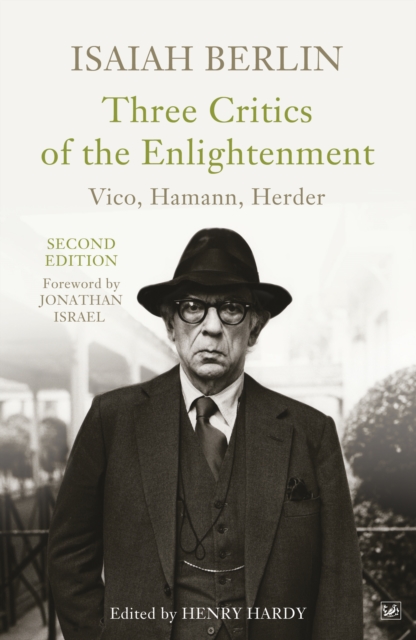
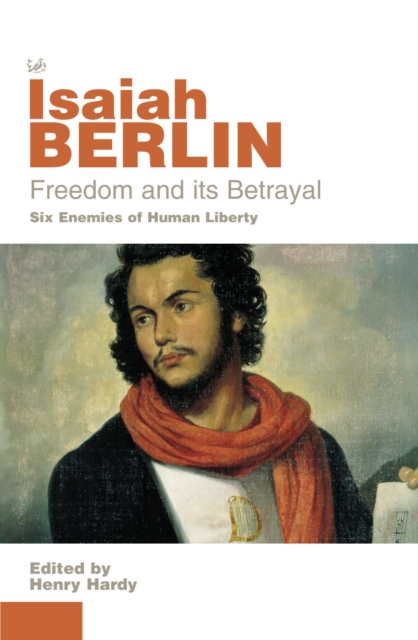
This book brings together three major studies from Isaiah Berlin's central intellectual project to explain the opposition to the excessively scientistic French Enlightenment by getting under the skin of its critics and giving a sympathetic account of their views.
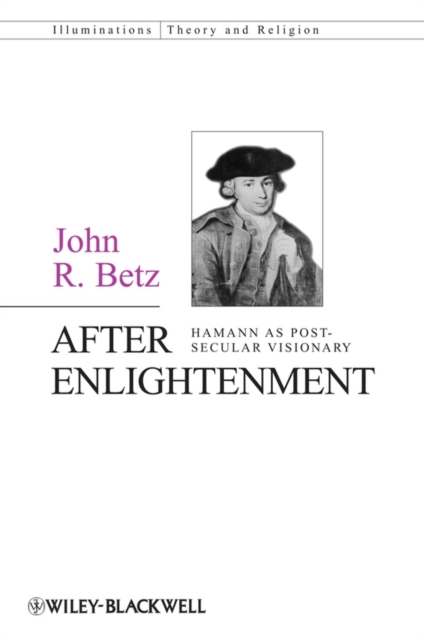
After Enlightenment: Hamann as Post-Secular Visionary is a comprehensive introduction to the life and works of eighteenth-century German philosopher, J.
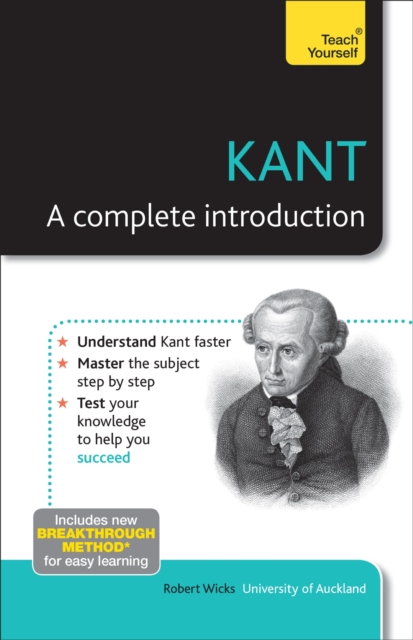
Written by Robert Wicks, a recognised Kant specialist who teaches at the University of Auckland, Kant: A Complete Introduction is designed to give you everything you need to succeed, all in one place.
How to Reach Enlightenment offers practical strategies for those who are struggling to find an enlightened way of life, bringing straightforward self-help techniques to the world of spirituality.
The books in this bite-sized new series contain no complicated techniques or tricky materials, making them ideal for the busy, the time-pressured or the merely curious.
Cognitive science has posed some radical challenges to philosophy in recent years, particularly in the study of the cognitive activities and capacities of individuals.
The interests and activities of John Stuart Mill (1806–73) were so wide-ranging that even the varied subjects of thirty previously published volumes of Collected Works cannot encompass them all.
Composed in a period of religious and political upheaval, Culverwell's Discourse of the Light of Nature is an imaginative statement of the teachings of Christian humanism concerning the nature and limits of human reason and the related concepts of natural and divine law.
History ended, according to Hegel according to Kojève, with the establishment and proliferation in Europe of states organized along Napoleonic lines: rational, bureaucratic, homogenous, atheist.
Mind, Body, Motion, Matter investigates the relationship between the eighteenth century’s two predominant approaches to the natural world – mechanistic materialism and vitalism – in the works of leading British and French writers such as Daniel Defoe, William Hogarth, Laurence Sterne, the third Earl of Shaftesbury and Denis Diderot.