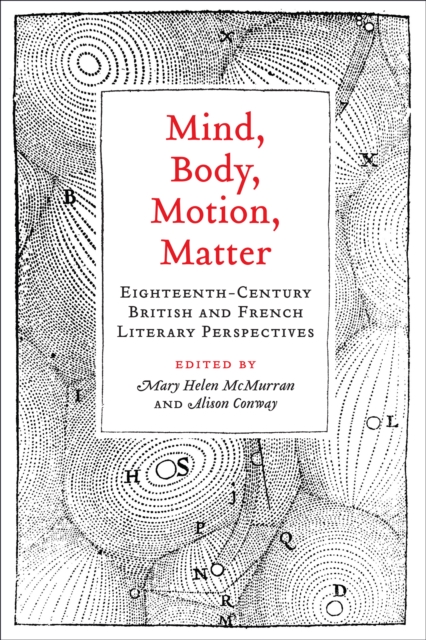
Mind, Body, Motion, Matter investigates the relationship between the eighteenth century’s two predominant approaches to the natural world – mechanistic materialism and vitalism – in the works of leading British and French writers such as Daniel Defoe, William Hogarth, Laurence Sterne, the third Earl of Shaftesbury and Denis Diderot.
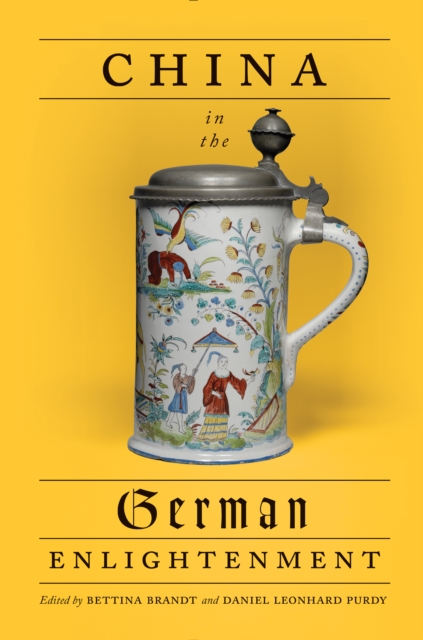
Over the course of the eighteenth century, European intellectuals shifted from admiring China as a utopian place of wonder to despising it as a backwards and despotic state.
Rationality and Feminist Philosophy argues that the Enlightenment conception of rationality that feminists are fond of attacking is no longer a live concept.
Rationality and Feminist Philosophy argues that the Enlightenment conception of rationality that feminists are fond of attacking is no longer a live concept.
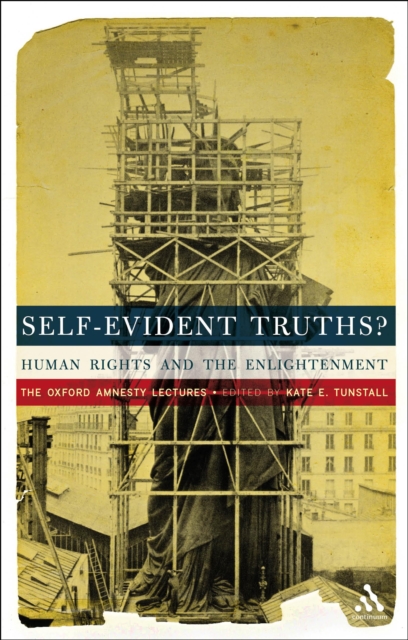
The keywords of the Enlightenment-freedom, tolerance, rights, equality-are today heard everywhere, and they are used to endorse a wide range of positions, some of which are in perfect contradiction.
The scale of some environmental problems, such as climate change and human overpopulation, exceed any one nation state and require either co-ordinated governance or a shift in the culture of modernity.
Recentwork in political philosophy and the history of ideas presents Spinoza andHegel as the most powerful living alternatives to mainstream Enlightenmentthought.
Re-Thinking the Cogito seeks to combine a strongly naturalistic with a distinctively rationalist perspective on some nowadays much-discussed issues in philosophy of mind.
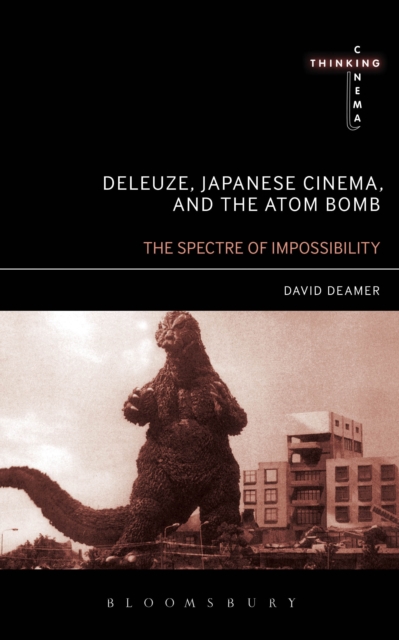
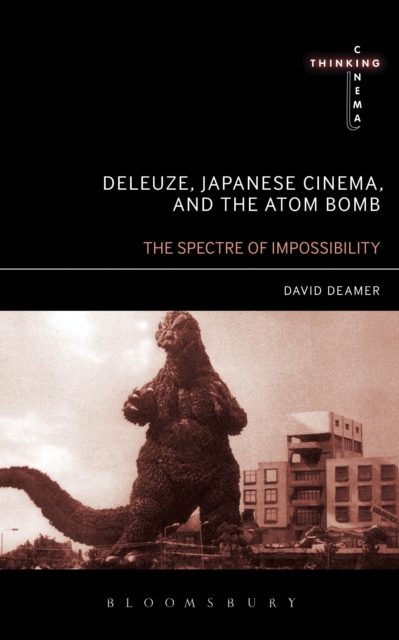
David Deamer establishes the first ever sustained encounter between Gilles Deleuze's Cinema books and post-war Japanese cinema, exploring how Japanese films responded to the atomic bombings of Hiroshima and Nagasaki.
David Deamer establishes the first ever sustained encounter between Gilles Deleuze's Cinema books and post-war Japanese cinema, exploring how Japanese films responded to the atomic bombings of Hiroshima and Nagasaki.
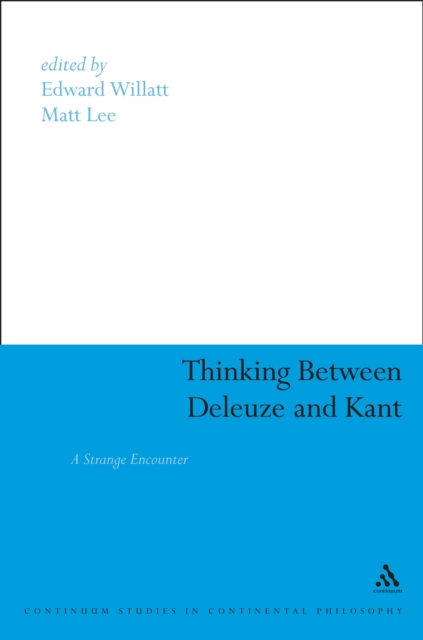
In the wake of much previous work on Gilles Deleuze's relations to other thinkers (including Bergson, Spinoza and Leibniz), his relation to Kant is now of great and active interest and a thriving area of research.
In the wake of much previous work on Gilles Deleuze's relations to other thinkers (including Bergson, Spinoza and Leibniz), his relation to Kant is now of great and active interest and a thriving area of research.
One of the world's most important political philosophers, Jon Elster is a leading thinker on reason and rationality and their roles in politics and public life.
From the author of the #1 New York Times bestseller On Bullshit, a landmark account of Descartes, reason, and truthIn this classic work, philosopher and bestselling author Harry Frankfurt provides a compelling analysis of the question that not only lies at the heart of Descartes's Meditations, but also constitutes the central preoccupation of modern philosophy: on what basis can reason claim to provide any justification for the truth of our beliefs?
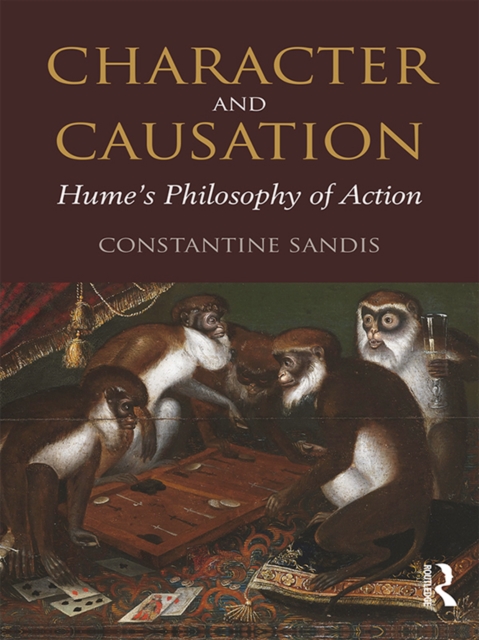
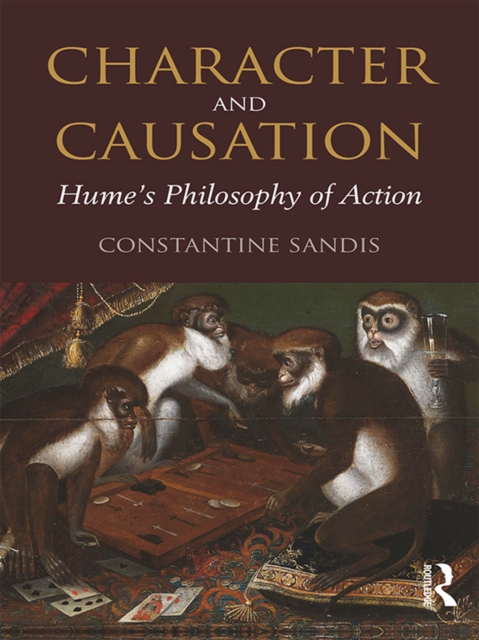
In the first ever book-length treatment of David Hume's philosophy of action, Constantine Sandis brings together seemingly disparate aspects of Hume's work to present an understanding of human action that is much richer than previously assumed.
In the first ever book-length treatment of David Hume's philosophy of action, Constantine Sandis brings together seemingly disparate aspects of Hume's work to present an understanding of human action that is much richer than previously assumed.
This volume on Hume's politics brings together essays that have been formative of the scholarly and more general debate about Hume's political thought.
This volume on Hume's politics brings together essays that have been formative of the scholarly and more general debate about Hume's political thought.
This book argues that the philosophical significance of Kant's aesthetics lies not in its explicit account of beauty but in its implicit account of intentionality.
This book argues that the philosophical significance of Kant's aesthetics lies not in its explicit account of beauty but in its implicit account of intentionality.
The Dark Side of Church/State Separation analyzes the Enlightenment's attack upon the Judeo-Christian tradition and its impact upon the development of secular regimes in France, Germany, and Russia.
The Dark Side of Church/State Separation analyzes the Enlightenment's attack upon the Judeo-Christian tradition and its impact upon the development of secular regimes in France, Germany, and Russia.
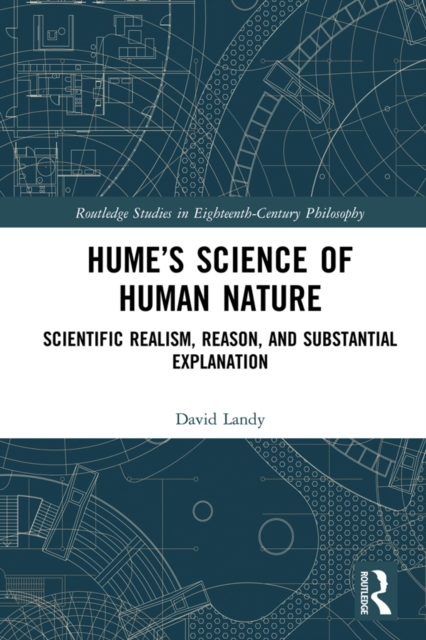
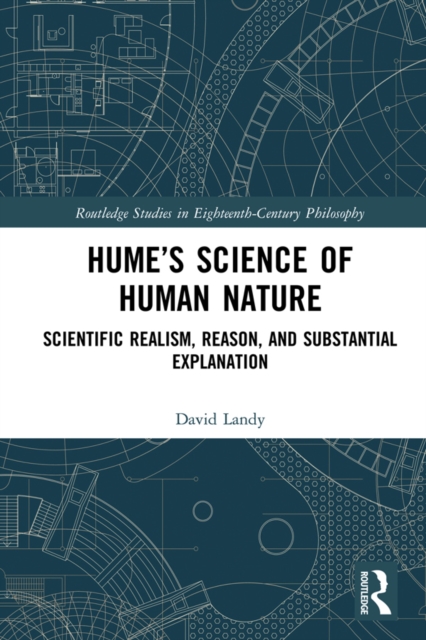
Hume's Science of Human Nature is an investigation of the philosophical commitments underlying Hume's methodology in pursuing what he calls 'the science of human nature'.
Hume's Science of Human Nature is an investigation of the philosophical commitments underlying Hume's methodology in pursuing what he calls 'the science of human nature'.
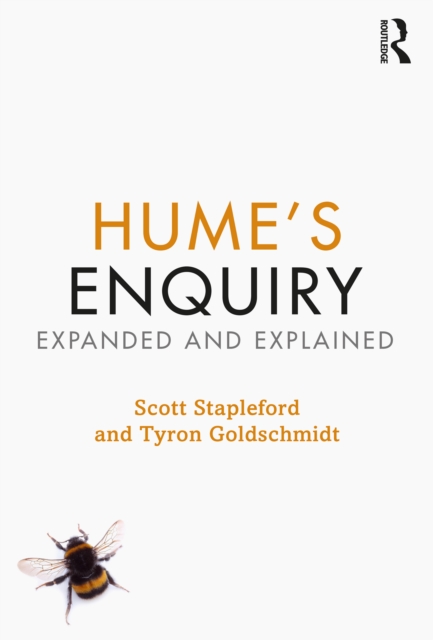
Hume's Enquiry: Expanded and Explained includes the entire classical text of David Hume's An Enquiry Concerning Human Understanding in bold font, a running commentary blended seamlessly into the text in regular font, and analytic summaries of each section.
Hume's Enquiry: Expanded and Explained includes the entire classical text of David Hume's An Enquiry Concerning Human Understanding in bold font, a running commentary blended seamlessly into the text in regular font, and analytic summaries of each section.