In 'Meditations of Marcus Aurelius', the Roman Emperor reflects on Stoic philosophy through a series of personal writings addressing self-improvement, inner peace, and living a virtuous life.
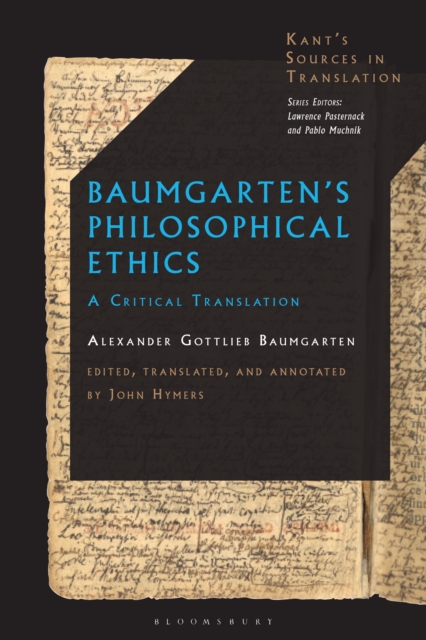
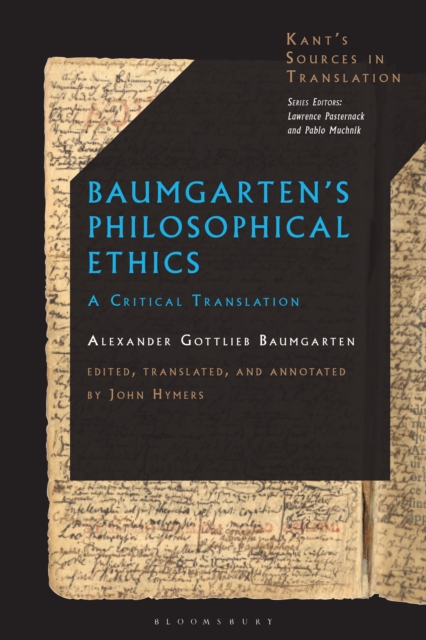
Alexander Baumgarten's Ethica Philosophica (1740) served as a chief textbook of philosophical instruction in German universities for several decades, and was used by Immanuel Kant for his lectures on moral philosophy between 1759 and 1794.
Alexander Baumgarten's Ethica Philosophica (1740) served as a chief textbook of philosophical instruction in German universities for several decades, and was used by Immanuel Kant for his lectures on moral philosophy between 1759 and 1794.
Erhard Weigel (1625–1699) war zu Lebzeiten ein in ganz Europa berühmter Mathematiker, Astronom, Physiker, Pädagoge, Philosoph und Erfinder und steht seit mehreren Jahren wieder zunehmend im Blickpunkt wissenschaftshistorischer Forschung.
Erhard Weigel (1625–1699) war zu Lebzeiten ein in ganz Europa berühmter Mathematiker, Astronom, Physiker, Pädagoge, Philosoph und Erfinder und steht seit mehreren Jahren wieder zunehmend im Blickpunkt wissenschaftshistorischer Forschung.
This two-volume work examines far-reaching debates on the concept of courage from Greek antiquity to the Christian and mediaeval periods, as well as the modern era.
Friedrich Heinrich Jacobi (1743-1819) gab in streitbarer Auseinandersetzung mit der Metaphysik Spinozas, der Transzendentalphilosophie Kants, dem Idealismus Fichtes und der Naturphilosophie Schellings entscheidende Anstöße zur Ausbildung der gesamten nachkantischen Philosophie.
Nur zwei Jahre nach dem Beginn des Spinoza-Streits trat Jacobi mit einem neuen Werk hervor: »David Hume über den Glauben, oder Idealismus und Realismus.
Der erste Teilband der Vorlesungsnachschriften zu Hegels Wissenschaft der Logik innerhalb der »Gesammelten Werke« (GW 23,1) enthält die Nachschriften, die in Jena sowie vor dem Hintergrund der ersten Auflage der »Enzyklopädie « (1817) entstanden sind.
In der »Grundlegung zur Metaphysik der Sitten« von 1785 bietet Kant eine neue Konzeption der Moralphilosophie, die keine ernsthafte Beschäftigung mit Ethik seither mehr ignorieren kann.
Thich Om legt dar, warum die Ewigkeit, das, was außerhalb unseres Begreifens liegt, keine grausame, böse ist, sonderm im Gegenteil eine unendlich zärtliche.
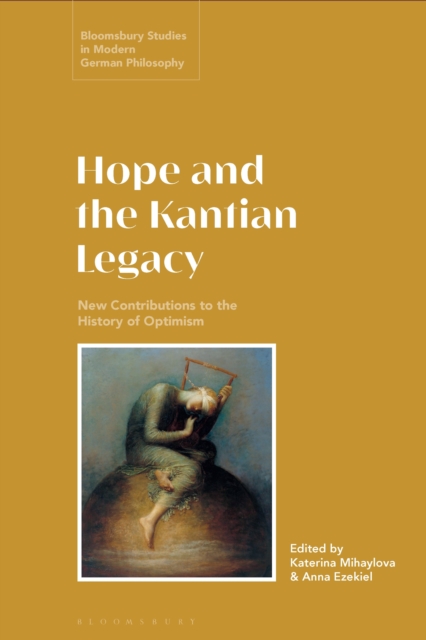
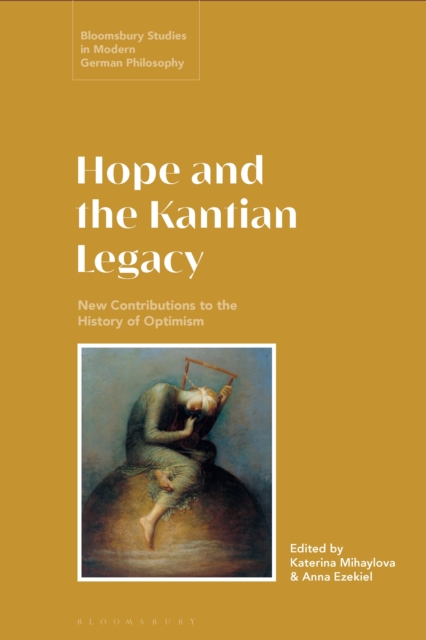
Hope is understood to be a significant part of human experience, including for motivating behaviour, promoting happiness, and justifying a conception of the self as having agency.
Hope is understood to be a significant part of human experience, including for motivating behaviour, promoting happiness, and justifying a conception of the self as having agency.
Karl Leonhard Reinhold publizierte Ende der 1780er-Jahre eine Reihe von Schriften, mit denen er beanspruchte, Immanuel Kants geschmackstheoretische Ausführungen der Kritik der Urteilskraft zu antizipieren.