This collection, first published in 1994, contains thirteen critical essays by established scholars from the fields of philosophy, literary criticism, feminist theory, politics, and sociology, and a new essay by Deleuze himself.
This collection, first published in 1994, contains thirteen critical essays by established scholars from the fields of philosophy, literary criticism, feminist theory, politics, and sociology, and a new essay by Deleuze himself.
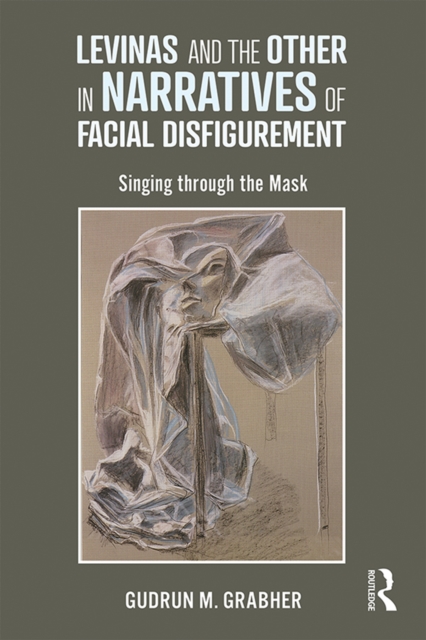
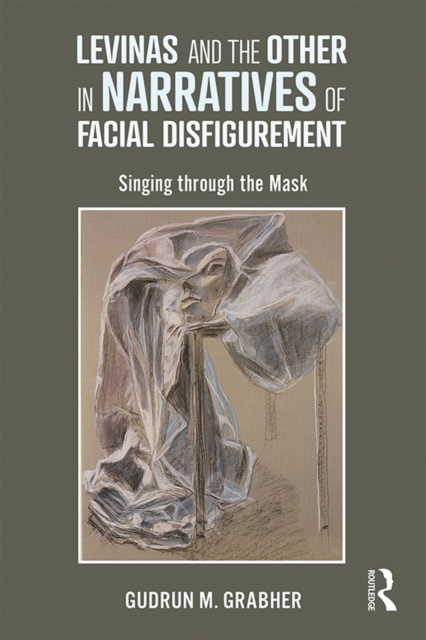
Offering readings of a range of fictional and biographical texts, including work by Richard Selzer, Nathaniel Hawthorne, Gaston Leroux, Willa Cather, Natalie Kusz, and Lucy Grealy, this book examines reactions to facially disfigured people on the basis of Emmanuel Levinas' ethics of the face.
Offering readings of a range of fictional and biographical texts, including work by Richard Selzer, Nathaniel Hawthorne, Gaston Leroux, Willa Cather, Natalie Kusz, and Lucy Grealy, this book examines reactions to facially disfigured people on the basis of Emmanuel Levinas' ethics of the face.
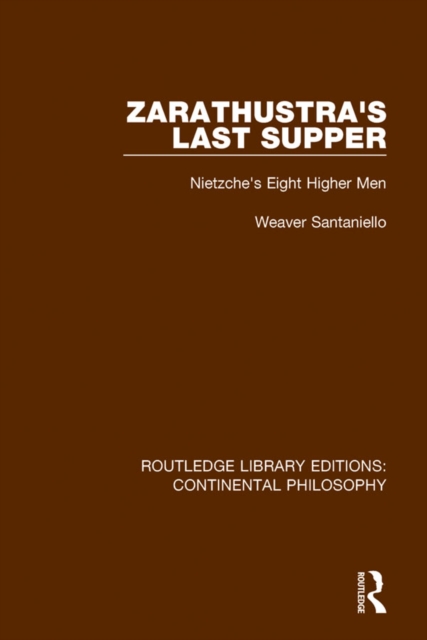
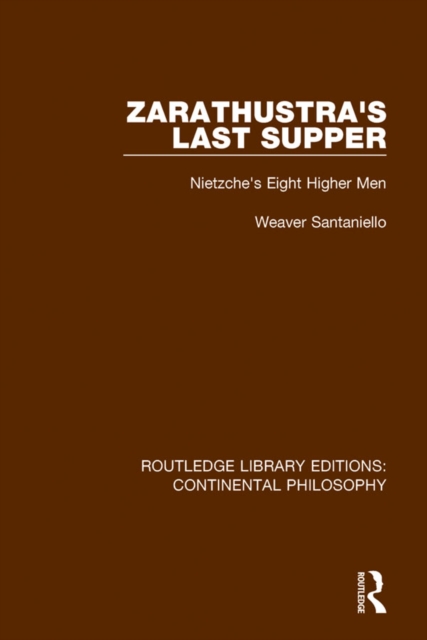
This study, first published in 1998, makes a lively and welcome contribution to the critical analysis of Nietzsche's seminal classic This Spoke Zarathustra.
This study, first published in 1998, makes a lively and welcome contribution to the critical analysis of Nietzsche's seminal classic This Spoke Zarathustra.
This book, first published in 2005, explores the historical contextualization of Nietzsche's thought, focusing on his controversial Thus Spoke Zarathustra.
This book, first published in 2005, explores the historical contextualization of Nietzsche's thought, focusing on his controversial Thus Spoke Zarathustra.
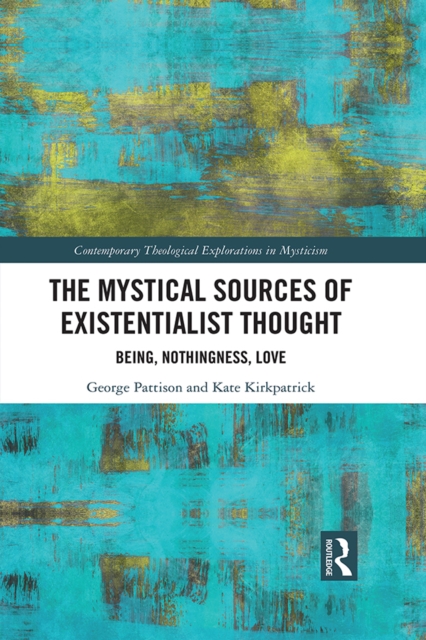
At the time when existentialism was a dominant intellectual and cultural force, a number of commentators observed that some of the language of existential philosophy, not least its interpretation of human existence in terms of nothingness, evoked the language of so-called mystical writers.
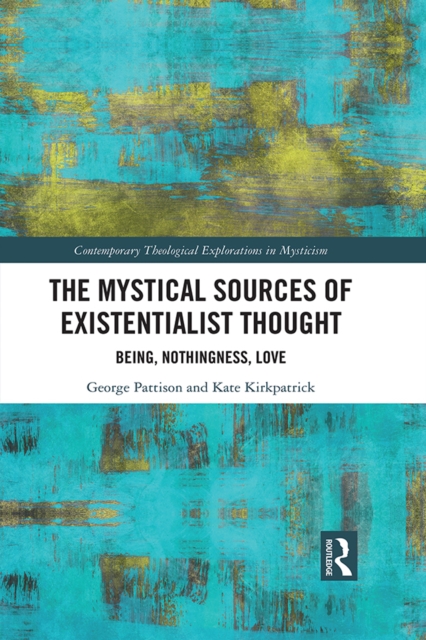
At the time when existentialism was a dominant intellectual and cultural force, a number of commentators observed that some of the language of existential philosophy, not least its interpretation of human existence in terms of nothingness, evoked the language of so-called mystical writers.
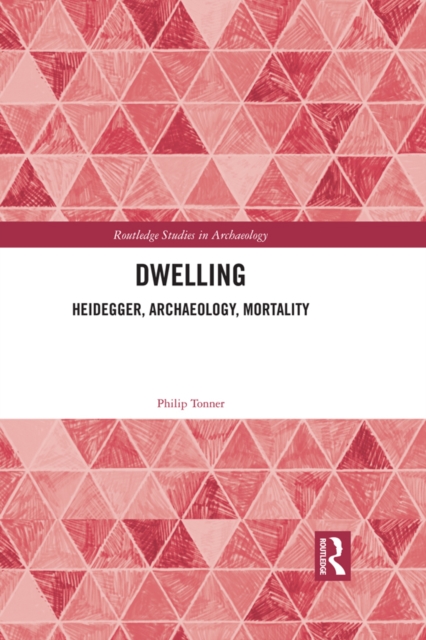
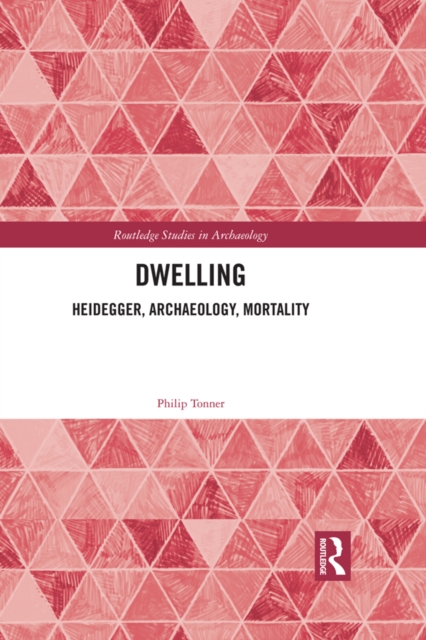
Dwelling: Heidegger, Archaeology, Mortality negotiates the discourses of phenomenology, archaeology and palaeoanthropology in order to extend the 'dwelling perspective', an approach in the social sciences particularly associated with Tim Ingold and a number of other thinkers, including Chris Tilley, Julian Thomas, Chris Gosden and Clive Gamble, that developed out of an engagement with the thought of Martin Heidegger.
Dwelling: Heidegger, Archaeology, Mortality negotiates the discourses of phenomenology, archaeology and palaeoanthropology in order to extend the 'dwelling perspective', an approach in the social sciences particularly associated with Tim Ingold and a number of other thinkers, including Chris Tilley, Julian Thomas, Chris Gosden and Clive Gamble, that developed out of an engagement with the thought of Martin Heidegger.
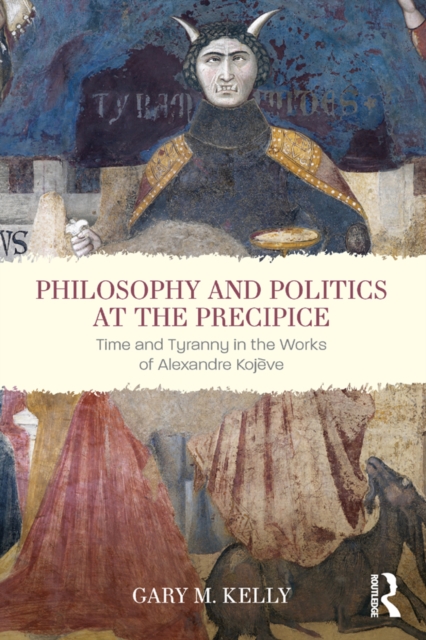
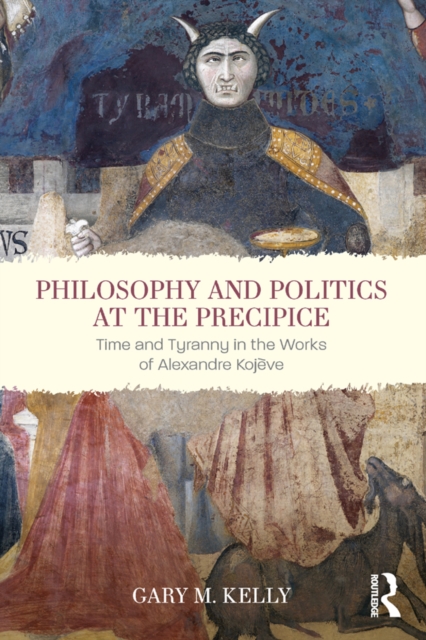
Philosophy and Politics at the Precipice maintains that political philosopher Alexandre Kojeve (1901-68) has been both famously misunderstood and famous for being misunderstood.
Philosophy and Politics at the Precipice maintains that political philosopher Alexandre Kojeve (1901-68) has been both famously misunderstood and famous for being misunderstood.
Edmund Husserl between Platonism and AristotelianismAim and Scope: The New Yearbook for Phenomenology and Phenomenological Philosophy provides an annual international forum for phenomenological research in the spirit of Husserl's groundbreaking work and the extension of this work by such figures as Scheler, Heidegger, Sartre, Levinas, Merleau-Ponty and Gadamer.
Edmund Husserl between Platonism and AristotelianismAim and Scope: The New Yearbook for Phenomenology and Phenomenological Philosophy provides an annual international forum for phenomenological research in the spirit of Husserl's groundbreaking work and the extension of this work by such figures as Scheler, Heidegger, Sartre, Levinas, Merleau-Ponty and Gadamer.
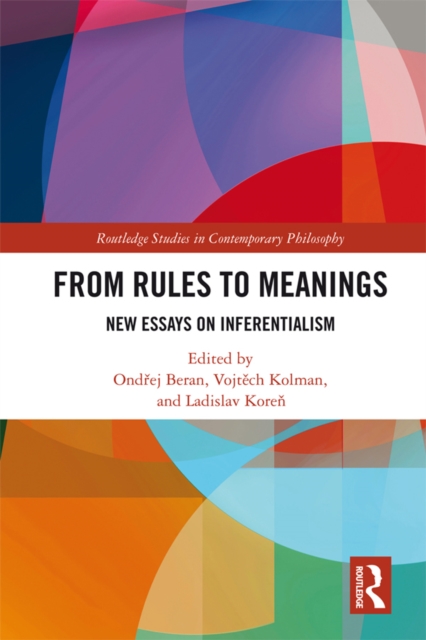
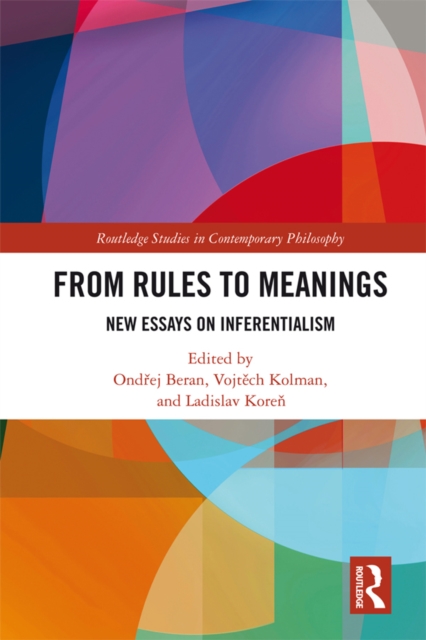
Inferentialism is a philosophical approach premised on the claim that an item of language (or thought) acquires meaning (or content) in virtue of being embedded in an intricate set of social practices normatively governed by inferential rules.
Inferentialism is a philosophical approach premised on the claim that an item of language (or thought) acquires meaning (or content) in virtue of being embedded in an intricate set of social practices normatively governed by inferential rules.
Slavoj Zizek's critical engagement with Christian theology goes much further than his seminal The Fragile Absolute (2000), or his The Puppet and the Dwarf (2003), or even his discussion with noted theologian John Milbank in The Monstrosity of Christ (2009).
Slavoj Zizek's critical engagement with Christian theology goes much further than his seminal The Fragile Absolute (2000), or his The Puppet and the Dwarf (2003), or even his discussion with noted theologian John Milbank in The Monstrosity of Christ (2009).
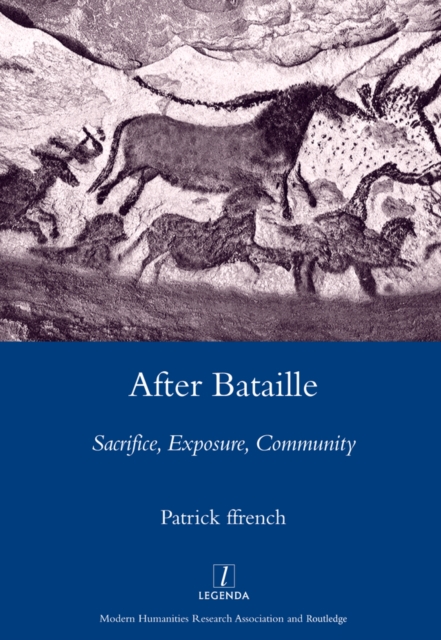
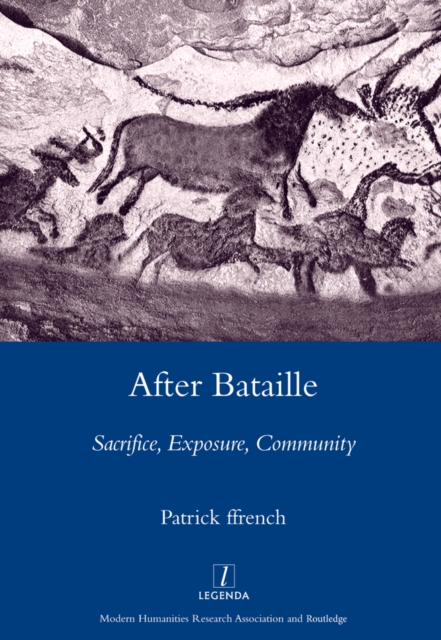
Author of the obscene narrative Story of the Eye and of works of heretical philosophy such as Inner Experience, Georges Bataille (1897-1962) is one of the most powerful and secretly influential French thinkers of the last century.
Author of the obscene narrative Story of the Eye and of works of heretical philosophy such as Inner Experience, Georges Bataille (1897-1962) is one of the most powerful and secretly influential French thinkers of the last century.