This book explores the notion that the emergent language of contemporary theatre, and more generally of modern culture, has links to much earlier forms of storytelling and an ancient worldview.
This volume engages with the work of Heidegger to argue that the modern environmental crisis is fundamentally a crisis of understanding Life, resulting from the symbolic codification of the world from the Logos of Greek philosophy to the rationality of the modern world and resulting in a metaphysics that privileges ontological thinking on the "e;question of being"e; over the environmental question and the concern for the conditions of life.
Este nuevo volumen de los cuadernos de sistemática Peirceana (CSP) está dedicado a la relación y diálogo entre la filosofía antigua y el pensamiento de Charles Sanders Peirce.
In this book, Nadir Lahiji introduces Kojin Karatani's theoretical-philosophical project and demonstrates its affinity with Kant's critical philosophy founded on 'architectonic reason'.
This collection of essays investigates the notions of life, living organisms, and human nature in Classical German Philosophy from a historical and conceptual perspective.
Herder: His Life and Thought aims to offer a comprehensive biography of Johann Gottfried von Herder, a pivotal figure in the German Enlightenment and early Romanticism.
This volume provides the first English translation of Nietzsche's unpublished notes from late 1879 to early 1881, the period in which he authored Dawn, the second book in the trilogy that began with Human, All Too Human and concluded with The Joyful Science.
This book explores the notion that the emergent language of contemporary theatre, and more generally of modern culture, has links to much earlier forms of storytelling and an ancient worldview.
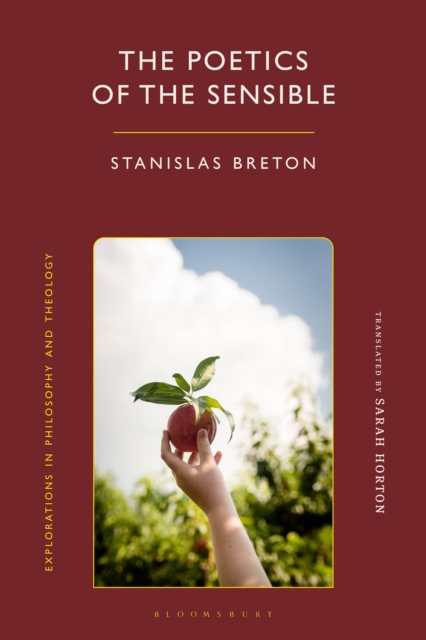
In the first English language translation of this classic late 20th-century text within French Catholic thought, Poetics of the Sensible brings together insights from Neoplatonism and phenomenology with a distinctive and innovative approach.
This book investigates a number of central problems in the philosophy of Charles Peirce grouped around the realism of his semiotics: the issue of how sign systems are developed and used in the investigation of reality.
Angenommen, ich stehe an einem Teich und muss mitansehen, wie ein Kind ertrinkt, würde mir bei der Rettungsaktion aber meinen teuren neuen Anzug ruinieren: Müsste ich das Kind nicht trotzdem retten?
This volume provides the first English translation of Nietzsche's unpublished notes from late 1879 to early 1881, the period in which he authored Dawn, the second book in the trilogy that began with Human, All Too Human and concluded with The Joyful Science.
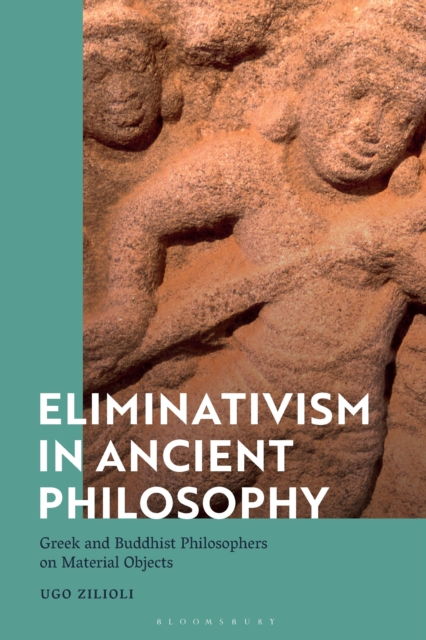
A comparative investigation in the metaphysics of material objects in ancient philosophy, this book provides radically new insights into key themes and areas of ancient thought by drawing on Greek and Buddhist philosophies.
A comparative investigation in the metaphysics of material objects in ancient philosophy, this book provides radically new insights into key themes and areas of ancient thought by drawing on Greek and Buddhist philosophies.
One of the greatest philosophical works of all time, in a new translation for the twenty-first century'The final philosopher to perform the most profound surgery on philosophy .
El objetivo de este libro es contextualizar el problema del arte en el pensamiento de Martin Heidegger y analizar el lugar que ocupa el ensayo "El origen de la obra de arte" en su itinerario intelectual.
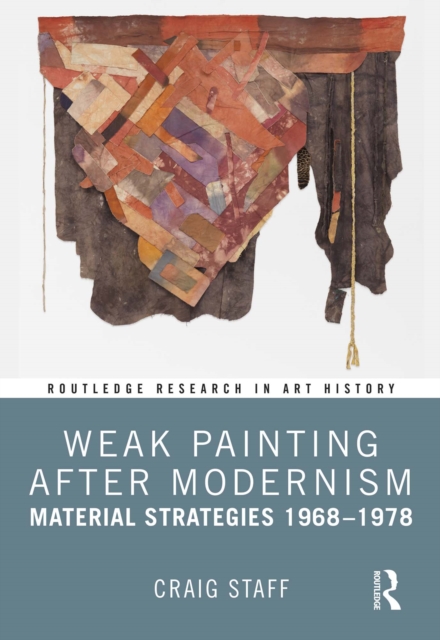
This book examines the terms upon which painting in the United States sought to negotiate with the legacy of American formalist aesthetics and by extension, the understanding of modernist painting it had become most readily associated with.
This book examines the terms upon which painting in the United States sought to negotiate with the legacy of American formalist aesthetics and by extension, the understanding of modernist painting it had become most readily associated with.
Bajo el título de Más allá de la filosofía se ofrece una serie de textos de Hannah Arendt, en su mayoría inéditos en lengua castellana, que dan a conocer el importante papel que en sus reflexiones desempeñan la crisis de la cultura, la poesía, el arte y la narración literaria.
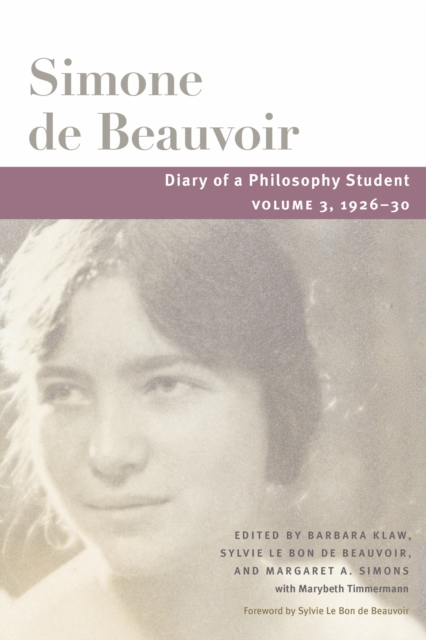
Written between the age of eighteen and twenty-one, the entries in the third volume of Diary of a Philosophy Student take readers into Simone de Beauvoir's thoughts while illuminating the people and ideas swirling around her.