Armstrong suggests that Jamess perspective is essentially phenomenological that his understanding of the process of knowing, the art of fiction, and experience as a whole coincides in important ways with the ideas of the leading phenomenologists.
Edmund Husserl, founder of the phenomenological movement, is usually read as an idealist in his metaphysics and an instrumentalist in his philosophy of science.
Classical phenomenology has suffered from an individualist bias and a neglect of the communicative structure of experience, especially the phenomenological importance of the addressee, the inseparability of I and You, and the nature of the alternation between them.
This collection is the first extended investigation of the relation between time and memory in Maurice Merleau-Ponty's thought as a whole and the first to explore in depth the significance of his concept of institution.
Seminar paper from the year 2020 in the subject Philosophy - Philosophy of the 17th and 18th Centuries, grade: 1,0, Aristotle University of Thessaloniki, language: English, abstract: In this paper the author would like to compare the epistemology of Rene Descartes and John Locke.
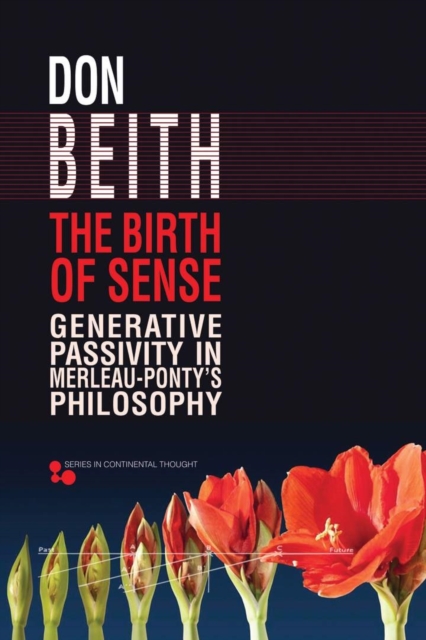
In The Birth of Sense, Don Beith proposes a new concept of generative passivity, the idea that our organic, psychological, and social activities take time to develop into sense.
Phenomenology has played a decisive role in the emergence of the discourse of place, now indispensable to many disciplines in the humanities and social sciences, and the contribution of Merleau-Ponty's thought to architectural theory and practice is well established.
This English translation of Gebser's major work, Ursprung und Gegenwart (Stuttgart, Deutsche Verlag, 1966), offers certain fundamental insights which should be beneficial to any sensitive scientist and makes it available to the English-speaking world for the recognition it deserves.
For more than two thousand years, philosophers and theologians have wrestled with the irreconcilable opposition between Greek rationality (Athens) and biblical revelation (Jerusalem).
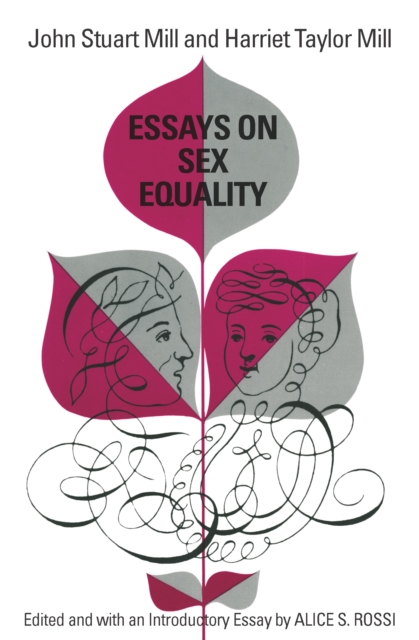
This volume brings together for the first time all the writings of John Stuart Mill and Harriet Taylor Mill on equality between the sexes, including John Stuart Mill's The Subjection of Women, a classic in the history of the women's rights movement since its publication one hundred years ago.
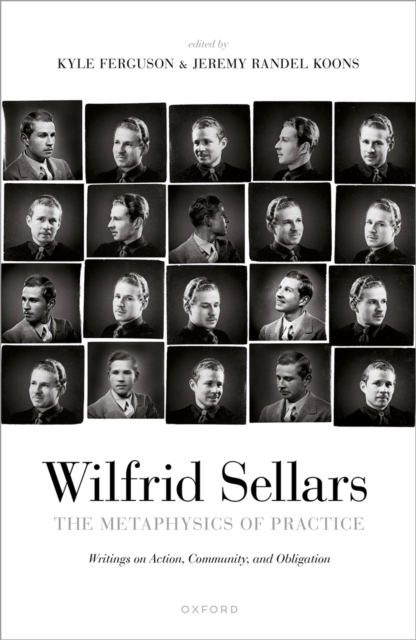
The Metaphysics of Practice brings together Wilfrid Sellars's writings on topics to do with action, community, and obligation: published essays, manuscripts, and correspondence.
Kierkegaard's pseudonymous authorship has baffled readers, his apparent capriciousness making it difficult to determine his position at a given point and to understand his work as an organic whole.
Armstrong suggests that Jamess perspective is essentially phenomenological that his understanding of the process of knowing, the art of fiction, and experience as a whole coincides in important ways with the ideas of the leading phenomenologists.
In The Wager of Lucien Goldmann, Mitchell Cohen provides the first full-length study of this major figure of postwar French intellectual life and champion of socialist humanism.
Armstrong suggests that Jamess perspective is essentially phenomenological that his understanding of the process of knowing, the art of fiction, and experience as a whole coincides in important ways with the ideas of the leading phenomenologists.
This English translation of Gebser's major work, Ursprung und Gegenwart (Stuttgart, Deutsche Verlag, 1966), offers certain fundamental insights which should be beneficial to any sensitive scientist and makes it available to the English-speaking world for the recognition it deserves.
In The Birth of Sense, Don Beith proposes a new concept of generative passivity, the idea that our organic, psychological, and social activities take time to develop into sense.
In The Crisis of Meaning and the Life-World, Lubica Ucnik examines the existential conflict that formed the focus of Edmund Husserl's final work, which she argues is very much with us today: how to reconcile scientific rationality with the meaning of human existence.
For more than two thousand years, philosophers and theologians have wrestled with the irreconcilable opposition between Greek rationality (Athens) and biblical revelation (Jerusalem).
Phenomenology has played a decisive role in the emergence of the discourse of place, now indispensable to many disciplines in the humanities and social sciences, and the contribution of Merleau-Ponty's thought to architectural theory and practice is well established.
This collection is the first extended investigation of the relation between time and memory in Maurice Merleau-Ponty's thought as a whole and the first to explore in depth the significance of his concept of institution.
Edmund Husserl, founder of the phenomenological movement, is usually read as an idealist in his metaphysics and an instrumentalist in his philosophy of science.
Classical phenomenology has suffered from an individualist bias and a neglect of the communicative structure of experience, especially the phenomenological importance of the addressee, the inseparability of I and You, and the nature of the alternation between them.
In The Crisis of Meaning and the Life-World, Lubica Ucnik examines the existential conflict that formed the focus of Edmund Husserl's final work, which she argues is very much with us today: how to reconcile scientific rationality with the meaning of human existence.
This volume brings together for the first time all the writings of John Stuart Mill and Harriet Taylor Mill on equality between the sexes, including John Stuart Mill's The Subjection of Women, a classic in the history of the women's rights movement since its publication one hundred years ago.
Through an interpretation of Montaigne's philosophical vision as expressed in his Essays, Ermanno Bencivenga contributes to the current debate about the "e;death of the subject"e; by developing a view of the self as a project of continuous construction rather than the source and foundation of knowledge.
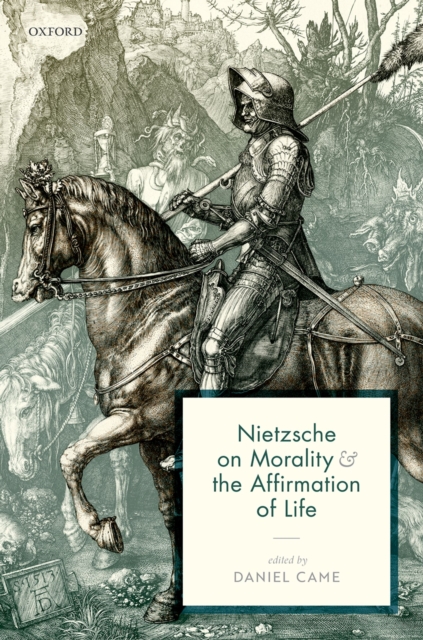
At the core of Nietzsche's famous critique of 'morality' lies the sweeping claim that morality is the primary source of a stance of 'life-denial,' and hence an obstacle to the possibility of an affirmative stance toward life.