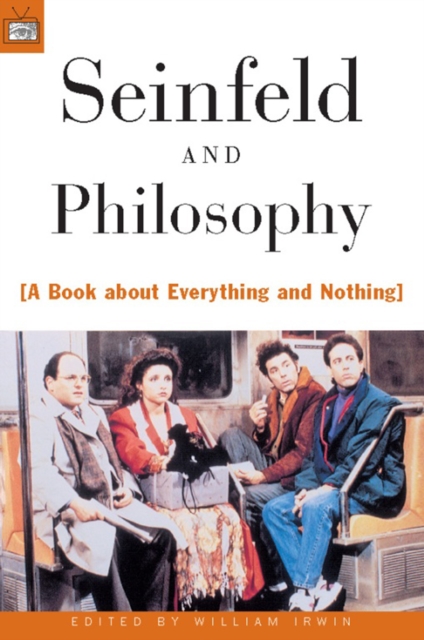
Designed for philosophers as well as readers with no particular philosophical background, the essays in this lively book are grouped into four amusing acts.
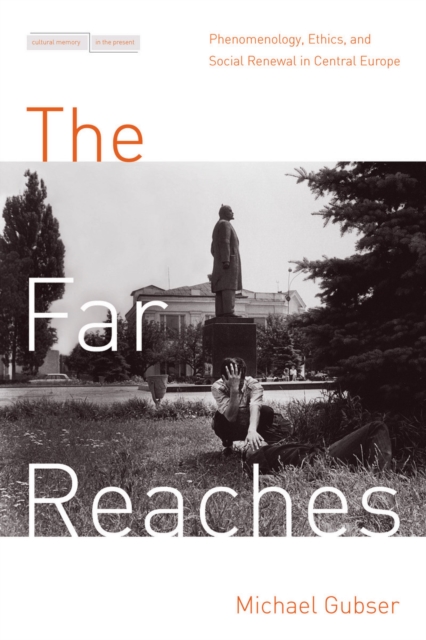
"e;By restoring morality to phenomenology, and phenomenology to East European politics, Gubser has rewritten the intellectual history of the twentieth century.
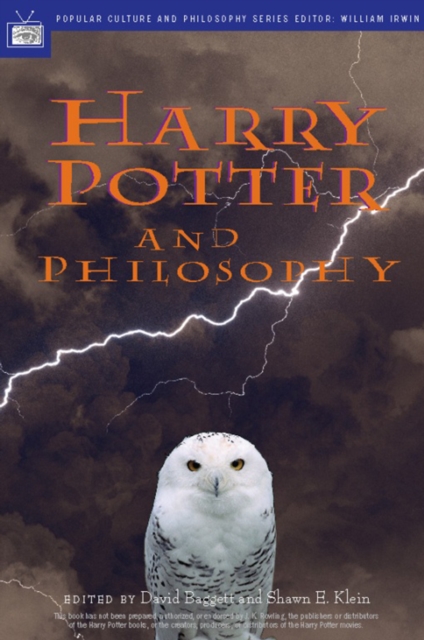
In Harry Potter and Philosophy, seventeen philosophical experts unlock some of Hogwarts' secret panels, and uncover surprising insights that are enlightening both for wizards and the most discerning muggles.
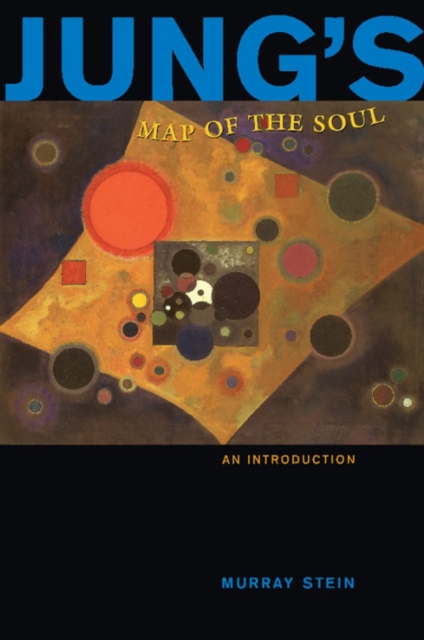
More than a mere overview, the book offers readers a strong grounding in the basic principles of Jung's analytical psychology in addition to illuminating insights.
This book addresses the rift between major philosophical factions in the United States, which the author describes as a "e;philosophically becalmed"e; three-legged creature made up of analytic philosophy, continental philosophy, and pragmatism.
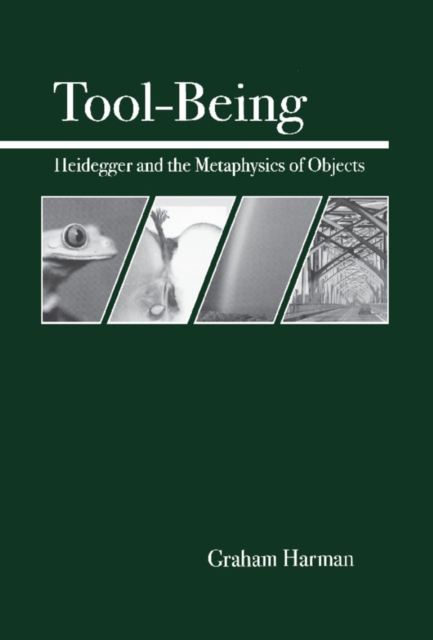
Tool-Being offers a new assessment of Martin Heidegger's famous tool-analysis, and with it, an audacious reappraisal of Heidegger's legacy to twenty-first-century philosophy.
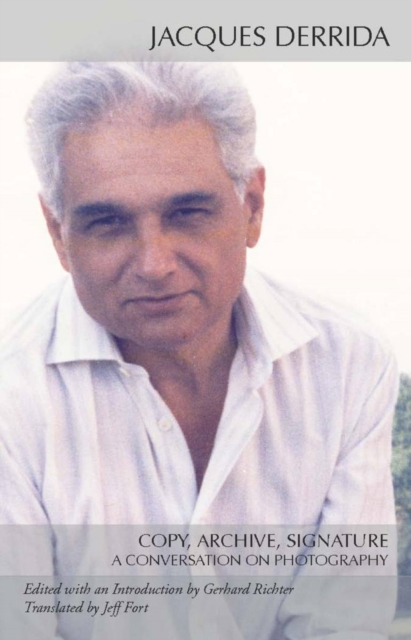
This book makes available for the first time in English-and for the first time in its entirety in any language-an important yet little-known interview on the topic of photography that Jacques Derrida granted in 1992 to the German theorist of photography Hubertus von Amelunxen and the German literary and media theorist Michael Wetzel.
This book offers new perspectives on the early and formative years of the German-Jewish philosopher Hans Jonas, through innovative studies of his German and Hebrew work in pre-war Germany and Palestine.
What if Immanuel Kant floated down from his transcendental heights, straight through Alice's rabbit hole, and into the fabulous world of Lewis Carroll?
Untying Things Together helps to clarify the stakes of the last fifty years of literary and cultural theory by proposing the idea of a sexuality of theory.
Phenomenology, together with Marxism, pragmatism, and analytic philosophy, dominated philosophy in the twentieth century-and Edmund Husserl is usually thought to have been the first to develop the concept.
Although Hegel considered Science of Logic essential to his philosophy, it has received scant commentary compared with the other three books he published in his lifetime.
George Herbert Mead is widely considered one of the most influential American philosophers of the twentieth century, and his work remains vibrant and relevant to many areas of scholarly inquiry today.
Western philosophy has been dominated by the concept or the idea-the belief that there is one sovereign notion or singular principle that can make reality explicable and bring all that exists under its sway.
Because it laid the foundation for nearly all subsequent epistemologies, Immanuel Kant's Critique of Pure Reason has overshadowed his other interests in natural history and the life sciences, which scholars have long considered as separate from his rigorous theoretical philosophy-until now.
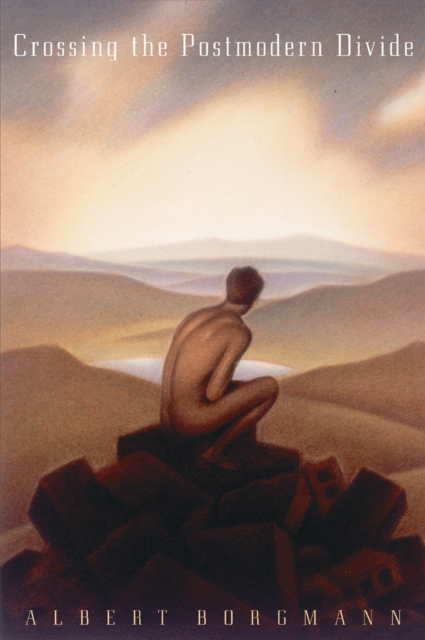
In this eloquent guide to the meanings of the postmodern era, Albert Borgmann charts the options before us as we seek alternatives to the joyless and artificial culture of consumption.
Hegel's Theory of Intelligibility picks up on recent revisionist readings of Hegel to offer a productive new interpretation of his notoriously difficult work, the Science of Logic.
A natural heir of the Renaissance and once tightly conjoined to its study, continental philosophy broke from Renaissance studies around the time of World War II.
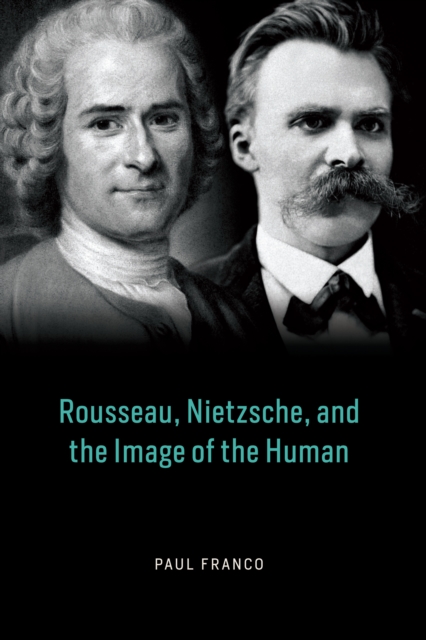
Rousseau and Nietzsche presented two of the most influential critiques of modern life and much can still be learned from their respective analyses of problems we still face.
There have been many Spinozas over the centuries: atheist, romantic pantheist, great thinker of the multitude, advocate of the liberated individual, and rigorous rationalist.
Germany's political and cultural past from ancient times through World War II has dimmed the legacy of its Enlightenment, which these days is far outshone by those of France and Scotland.
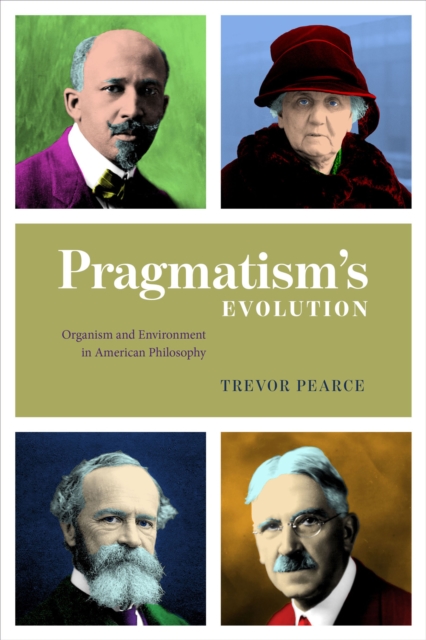
In Pragmatism's Evolution, Trevor Pearce demonstrates that the philosophical tradition of pragmatism owes an enormous debt to specific biological debates in the late 1800s, especially those concerning the role of the environment in development and evolution.
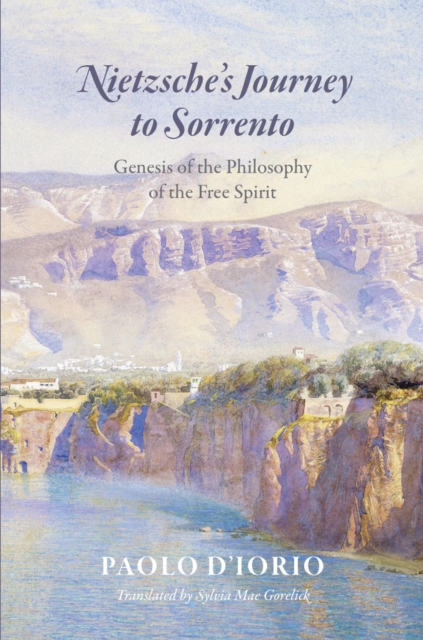
"e;When for the first time I saw the evening rise with its red and gray softened in the Naples sky,"e; Nietzsche wrote, "e;it was like a shiver, as though pitying myself for starting my life by being old, and the tears came to me and the feeling of having been saved at the very last second.
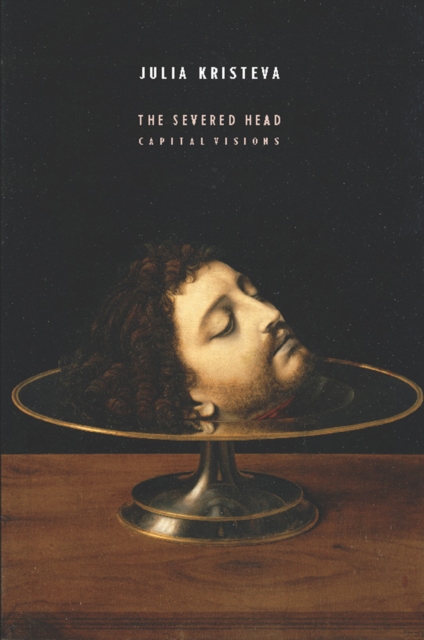
Informed by a provocative exhibition at the Louvre curated by the author, The Severed Head unpacks artistic representations of severed heads from the Paleolithic period to the present.
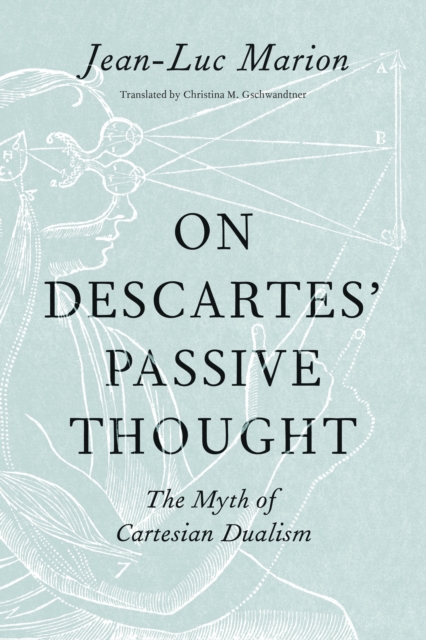
On Descartes' Passive Thought is the culmination of a life-long reflection on the philosophy of Descartes by one of the most important living French philosophers.