German Idealism as Constructivism is the culmination of many years of research by distinguished philosopher Tom Rockmore-it is his definitive statement on the debate about German idealism between proponents of representationalism and those of constructivism that still plagues our grasp of the history of German idealism and the whole epistemological project today.
"e;Cultural Graphology"e; could be the name of a new human science: this was Derrida's speculation when, in the late 1960s, he imagined a discipline that combined psychoanalysis, deconstruction, and a commitment to the topic of writing.
Noël Carroll, a brilliant and provocative philosopher of film, has gathered in this book eighteen of his most recent essays on cinema and television—what Carroll calls “moving images.
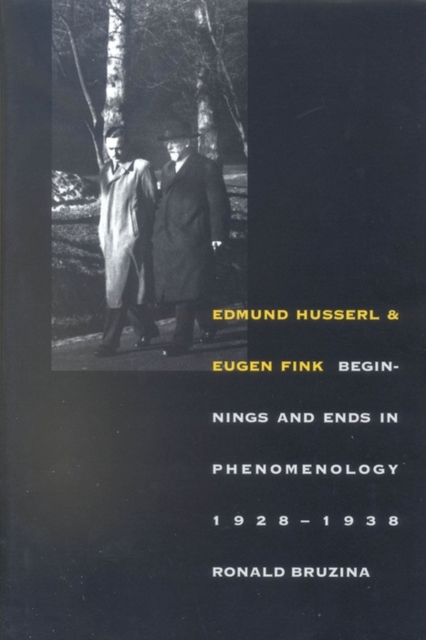
Eugen Fink was Edmund Husserl’s research assistant during the last decade of the renowned phenomenologist’s life, a period in which Husserl’s philosophical ideas were radically recast.
In this important work of legal, political, and moral theory, Joseph William Singer offers a controversial new view of property and the entitlements and obligations of its owners.
This new edition of one of Heidegger's most important works features a revised and expanded translators' introduction and an updated translation, as well as the first English versions of Heidegger's draft of a portion of the text and of his later critique of his own lectures.
A compact and accessible edition of Hume’s political and moral writings with essays by a distinguished set of contributors A key figure of the Scottish Enlightenment, David Hume was a major influence on thinkers ranging from Kant and Schopenhauer to Einstein and Popper, and his writings continue to be deeply relevant today.
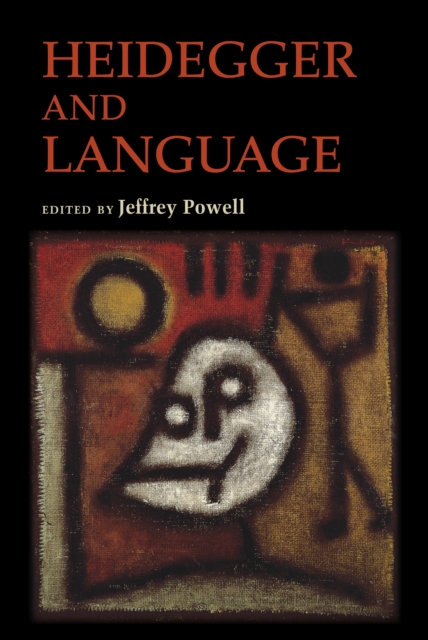
The essays collected in this volume take a new look at the role of language in the thought of Martin Heidegger to reassess its significance for contemporary philosophy.
Thinking through Kierkegaard is a critical evaluation of Soren Kierkegaard's vision of the normatively human, of who we are and might aspire to become, and of what Mehl calls our existential identity.
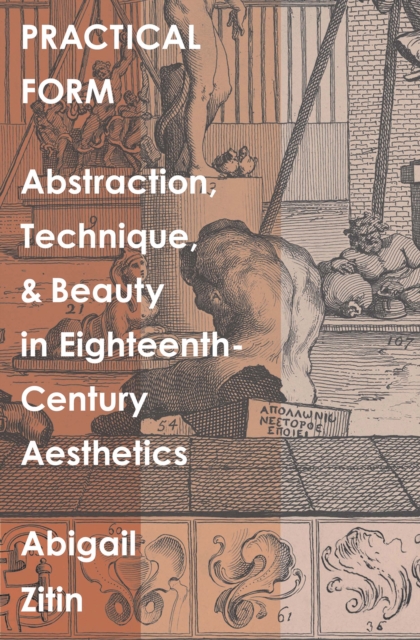
A groundbreaking study of the development of form in eighteenth-century aesthetics In this original work, Abigail Zitin proposes a new history of the development of form as a concept in and for aesthetics.
A compelling collection of the life-changing writings of William JamesWilliam James-psychologist, philosopher, and spiritual seeker-is one of those rare writers who can speak directly and powerfully to anyone about life's meaning and worth, and whose ideas change not only how people think but how they live.
La Humanidad ha tocado a su fin y, con el ascenso de los Póstumos, se ha producido el ingreso del orbe terrestre en el titanismo de una nueva Era signada por la tecnificación telemática universal.
In this book, distinguished French philosopher Pierre Manent addresses a wide range of subjects, including the Machiavellian origins of modernity, Tocqueville's analysis of democracy, the political role of Christianity, the nature of totalitarianism, and the future of the nation-state.
This Routledge Revival, first published in 1985, gives detailed attention to the bearing of literary theory on questions of truth, meaning and reference.
This textbook reviews for the first time the thinking of six major existential philosophers; S ren Kierkegaard, Friedrich Nietzsche, Martin Heidegger, Jean-Paul Sartre, Maurice Merleau-Ponty, and Simone de Beauvoir with respect to their ideas about human development.
This book offers an ethical interpretation of the Critique of Pure Reason by establishing the historical connection between the problematic of Temporality in the philosophies of Heidegger and Levinas on the one hand, and the ground-laying of metaphysics in the schematism of Kant's critical philosophy on the other.
Giorgio Agamben: Power, Law and the Uses of Criticism is a thorough engagement with the thought of the influential Italian philosopher Giorgio Agamben.
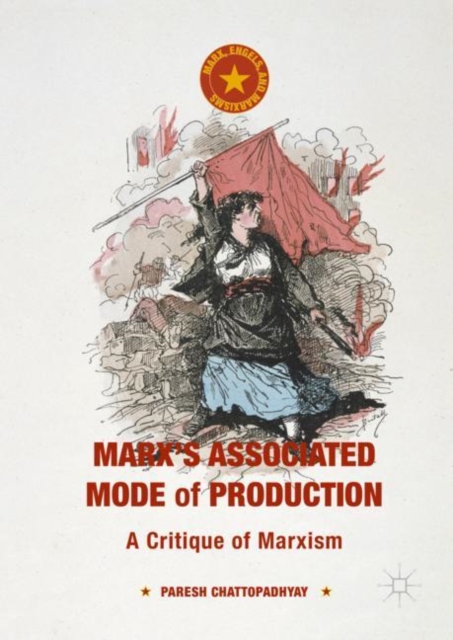
This book aims to restore Marx's original emancipatory idea of socialism, conceived as an association of free individuals centered on working people's self- emancipation after the demise of capitalism.
Bertrand Russell (1872-1970) was renowned as one of the founding figures of "e;analytic"e; philosophy, and for his lasting contributions to the study of logic, philosophy of language, philosophy of mathematics and epistemology.
This volume assesses how far the ideas and achievements of the 19th century British Idealist philosophical reformers are still important for us today when considering fundamental questions about the structure and objectives of the education system in England and Wales.
Philosophical Delusion and its Therapy provides new foundations and methods for the revolutionary project of philosophical therapy pioneered by Ludwig Wittgenstein.
There is considerable debate amongst philosophers as to the basic philosophical problem Wittgenstein is attempting to solve in Philosophical Investigations.
John Dewey was one of the most influential American philosophers of his time and also one of the most prolific, with about forty books and 700 articles to his credit.
What might be the outcome for philosophy if its texts were subjected to the powerful techniques of rhetorical close-reading developed by current deconstructionist literary critics?
Based on the latest debate on Jean-Paul Sartre's works on ethics and politics, this book examines the relevancy and importance Sartre holds for contemporary concerns - the reactionary nature of terrorism, the extremity of counter-violence, and limitations of democratization efforts in our post-9/11 era - all claiming the name of 'freedom' and 'liberation'.
A masterful overview of the philosophy of language from one of its most important thinkersIn this book one of the world's foremost philosophers of language presents his unifying vision of the field-its principal achievements, its most pressing current questions, and its most promising future directions.
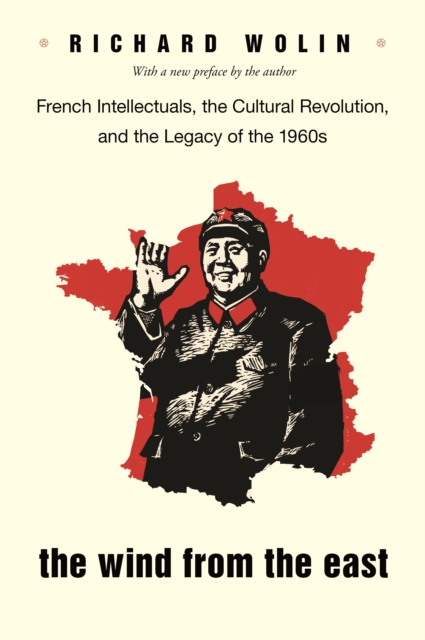
How Maoism captured the imagination of French intellectuals during the 1960sMichel Foucault, Jean-Paul Sartre, Julia Kristeva, Phillipe Sollers, and Jean-Luc Godard.
A brief account of philosophical logic from one of the world's leading authoritiesPhilosophical Logic is a clear and concise critical survey of nonclassical logics of philosophical interest written by one of the world's leading authorities on the subject.
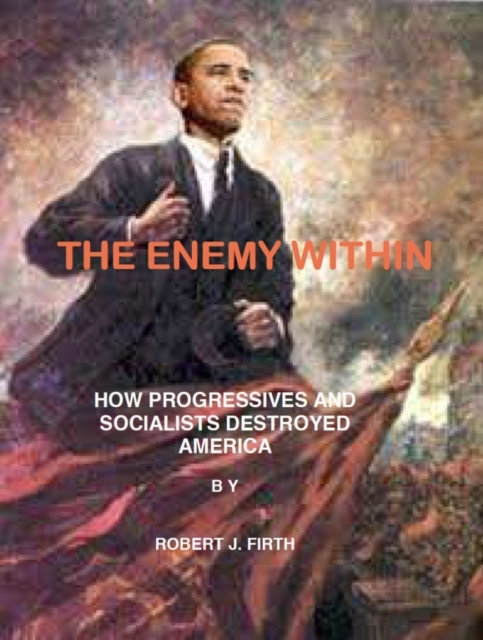
For the very worst kind of liberals, they long ago, beginning with guys like Bertram Russell, Woodrow Wilson and the Fabian Society, understood that the greatest flaw in democracy was the one man one vote concept and, if they could corrupt this system, they could hugely benefit and, in the process, gain enormous power and riches.