This book contends that the development of modern Chinese international thought has been profoundly shaped by the distinctive nature of the Chinese state as a contender state and its global positioning since 1912.
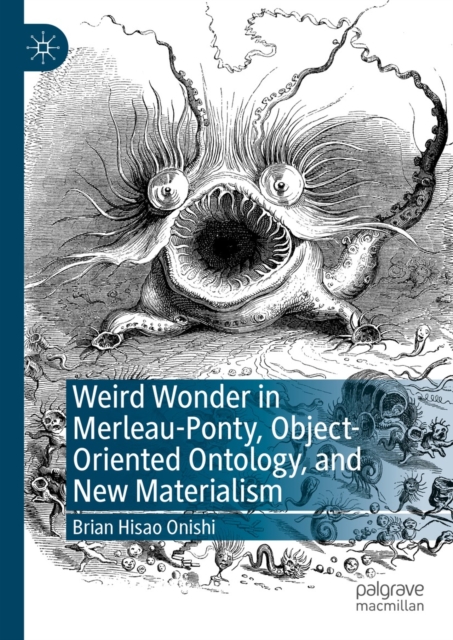
This book connects recent developments in speculative realism, new materialism, and eco-phenomenology to articulate an approach to wonder that escapes the connected traps of anthropocentrism and correlationism.
This volume examines the often-overlooked crisis of sexual misconduct within Korean Protestant churches, exploring how militarized culture, hierarchical power, and institutional silence contribute to the abuse of congregants—especially those in vulnerable situations.
Kierkegaard and Mysticism brings together scholars who show that reading Soren Kierkegaard from the perspective of mysticism not only sheds new light on the Dane's thought but also offers a fresh approach to mysticism as such, considering its relevance for existential questions, ethics, inter-faith dialogues, and socio-political criticism.
The roots of evil are often held to be Biblical, but philosophers in ancient China and Greece were thoroughly conversant with both the phenomena and the languages of evil.
Scholars of the history of philosophy of mind have focused by and large on the early modern critique of the Aristotelian-scholastic theory of vegetative, sensory and intellectual faculties of the soul.
Scholars of the history of philosophy of mind have focused by and large on the early modern critique of the Aristotelian-scholastic theory of vegetative, sensory and intellectual faculties of the soul.
Philosophen und Dichter begründeten und prägten das politische Denken und damit die Besonderheit der griechischen Polis - der Mutter des europäischen Staatswesens.
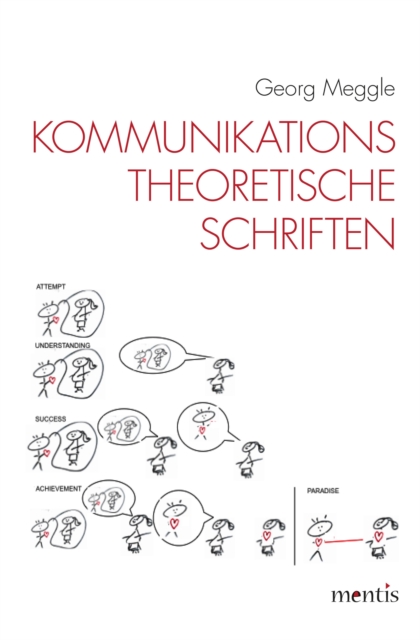
In seinen beiden Hauptwerken Grundbegriffe der Kommunikation ( Der einzige einschlagige formale Explikationsversuch, der bisher uberhaupt in irgendeiner Sprache erschienen ist.
Die Sprache bildet die Welt nicht einfach ab, sondern gibt dem, was uns in der Erfahrung begegnet und was wir denkend erfassen, jeweils einen bestimmten Sinn und damit eine bestimmte Gestalt.
Kosmos und Subjektivität – dieses Begriffspaar stellt sogleich einen Antagonismus vor, denn Subjektivität konstituiert sich alleine im irreduziblen Bruch mit der kosmischen Einheit.
Der traditionell behauptete Gattungsunterschied von wahrheitsorientierter philosophischer Prosa und fiktionaler Literatur stellt sich nicht zuletzt dann als problematisch heraus, wenn Formen des Denkens und Erkennens aus der Betrachtung herausfallen, die sich keinem der beiden Modelle zuordnen lassen.