A Study in Wittgenstein's Tractatus, by Alexander Maslow is a rigorous, historically situated guide to one of the twentieth century's most enigmatic philosophical texts.
Platonism: Ancient and Modern (Sather Classical Lectures, Volume 14) presents an insightful exploration of the enduring legacy of Plato's philosophy, as viewed through the lectures of the esteemed classicist Paul Shorey.
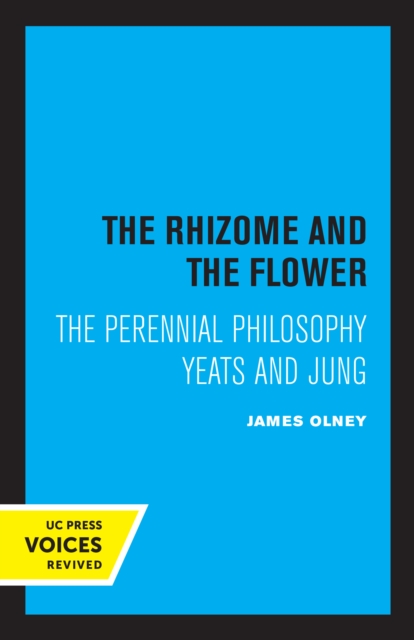
The Rhizome and the Flower: The Perennial Philosophy-Yeats and Jung offers an ambitious exploration of what its author terms "e;Yeats-and-Jung,"e; a conceptual pairing examined not through conventional literary criticism or psychological analysis but through the broader framework of intellectual history and the "e;perennial philosophy.
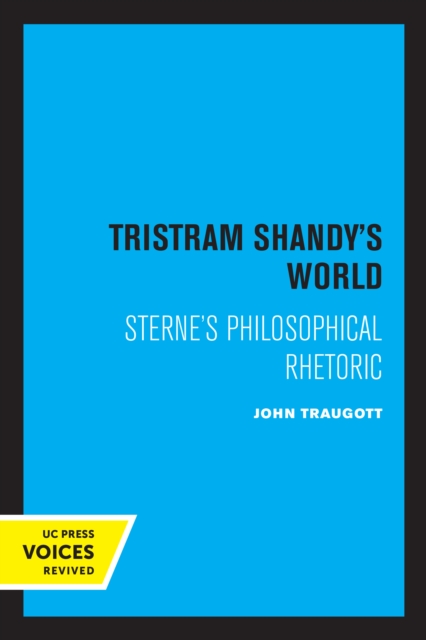
Tristram Shandy's World: Sterne's Philosophical Rhetoric by John Traugott offers a major reappraisal of Laurence Sterne's most provocative work, arguing that Tristram Shandy is less a "e;novel"e; than a sustained rhetorical performance.
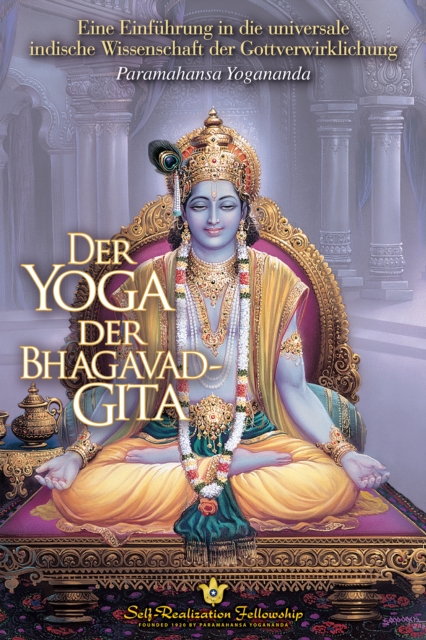
Paramahansa Yoganandas zweibändiges Werk Gott spricht mit Arjuna – von der Kritik begeistert gefeiert – enthält seine Übersetzung und Auslegung der Bhagavad-Gita.
Tristram Shandy's World: Sterne's Philosophical Rhetoric by John Traugott offers a major reappraisal of Laurence Sterne's most provocative work, arguing that Tristram Shandy is less a "e;novel"e; than a sustained rhetorical performance.
The Rhizome and the Flower: The Perennial Philosophy-Yeats and Jung offers an ambitious exploration of what its author terms "e;Yeats-and-Jung,"e; a conceptual pairing examined not through conventional literary criticism or psychological analysis but through the broader framework of intellectual history and the "e;perennial philosophy.
ASpirituality & PracticeBest Spiritual Book of 2025In a time when abuse at the hands of religious leaders is too common, comes this guide to making the most of the Zen tradition while protecting and empowering yourself.
It monitors the attempts of the West to undermine Islam, and they have attached various accusations to it and spread them throughout the world, including Islamic countries, but they plot and God plots, and God is the best of plotters.
It deals with anthropology, which links psychology, which is concerned with the individual alone, and sociology, which is concerned with society alone.
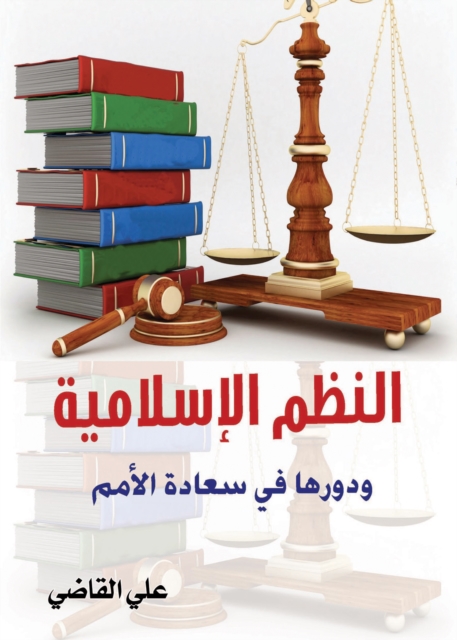
It examines the frameworks of the concept of the curricula that Islam has drawn for the behavior of the Muslim individual, the behavior of the Muslim group, and the behavior of the ruler and the ruled, so that Muslims can perform their function in this life, which appears in the architecture of the earth according to the method of the Creator, Glory be to Him, and this divine guidance to all of humanity in every time and place, and it includes regulating the interaction between the individual and society, between the ruler and the ruled, and between Islamic society and other societies.
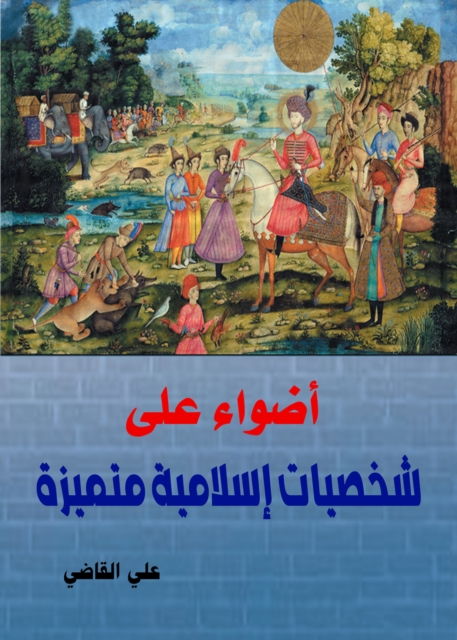
Islamic history is full of wonderful Islamic figures on whose shoulders the call was established, on whose hands civilization was founded, and whose actions embodied the values of truth, goodness and beauty.
This book mainly delves into the practical moral poetics in Plato's late masterpiece, the Laws, and applies a comparative approach to Plato's philosophizing and the Chinese way of thinking in the domains of art-making, cultivating a good life, and music-poetry education.
Dieses Buch entwickelt eine systematische Kritik der Idee und der Ethik der Menschenwürde, argumentiert für einen Menschenwürde-Skeptizismus und für die liberationistische Auffassung, dass wir unser Denken von der Idee der Menschenwürde und dem damit zusammenhängenden Anthropozentrismus in der Moral befreien sollten.
This book provides a philosophical analysis of the experience of health and investigates how this experience is shaped by recent developments in medicine and public health.
It chronicles the most important battles that Muslims fought against their aggressing enemies, especially on the land of Jerusalem in Palestine, which is currently occupied by Israel.
Islamic civilization was established on foundations that distinguished it from other civilizations, the most important of which are: the divine faith, the comprehensiveness and universality of Islam, the encouragement to seek knowledge from the cradle to the grave, and the education of a righteous person whose role is limited to his state.