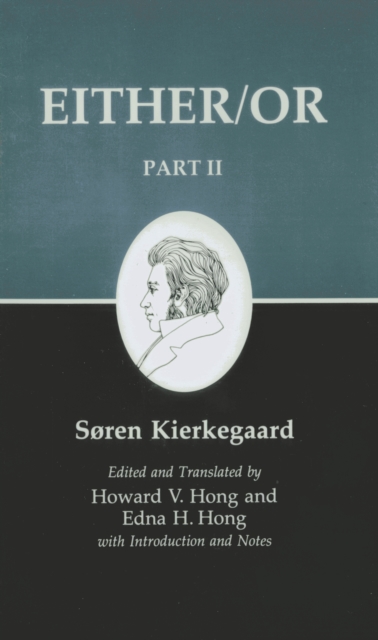
Soren Kierkegaard, the nineteenth-century Danish philosopher rediscovered in the twentieth century, is a major influence in contemporary philosophy, religion, and literature.
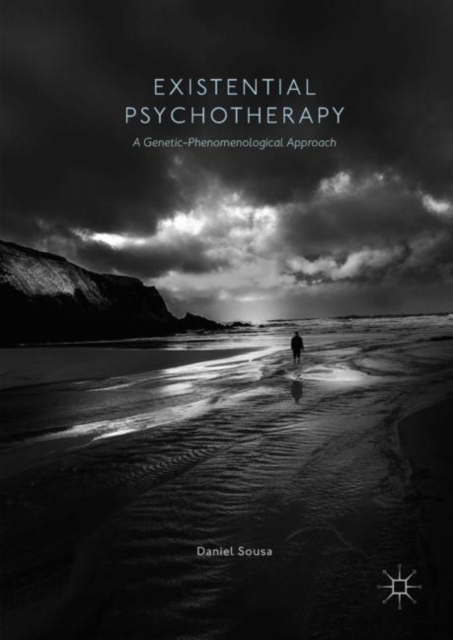
This book presents a genetic-phenomenological approach of existential psychotherapy, articulating its theoretical underpinnings with principles supported by scientific evidence and concluding with clinical examples.
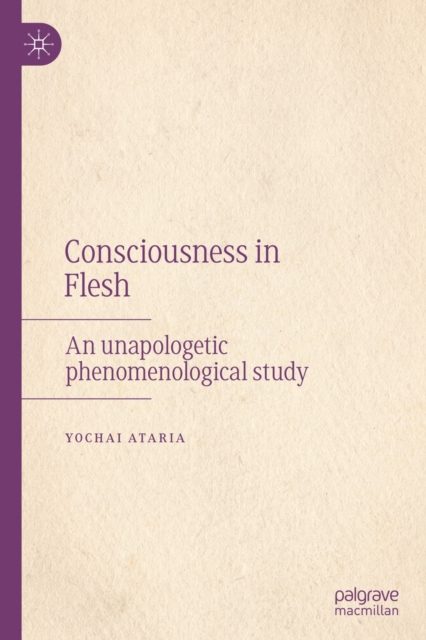
This book offers an uncompromising and unapologetic phenomenological study of altered states of consciousness in an attempt to understand the structure of human consciousness.
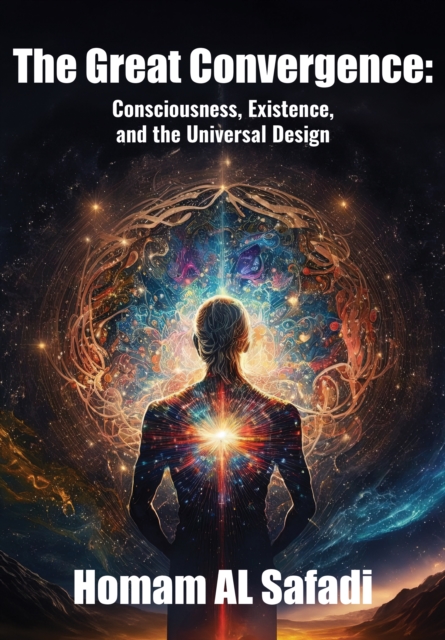
The Great Convergence explores the existential foundations of human consciousness and the deep existential dimensions of reality, as well as their connection to the concept of The Creator.
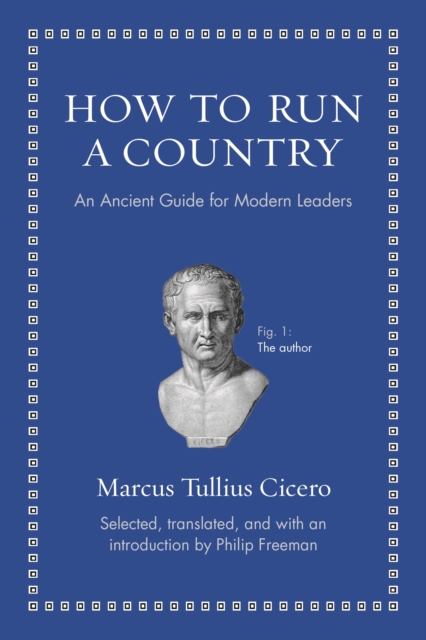
Timeless political wisdom from ancient history's greatest statesmanMarcus Cicero, Rome's greatest statesman and orator, was elected to the Roman Republic's highest office at a time when his beloved country was threatened by power-hungry politicians, dire economic troubles, foreign turmoil, and political parties that refused to work together.
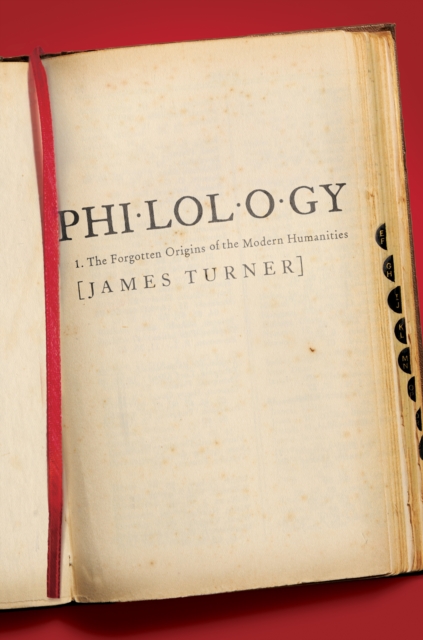
A prehistory of today's humanities, from ancient Greece to the early twentieth centuryMany today do not recognize the word, but "e;philology"e; was for centuries nearly synonymous with humanistic intellectual life, encompassing not only the study of Greek and Roman literature and the Bible but also all other studies of language and literature, as well as history, culture, art, and more.
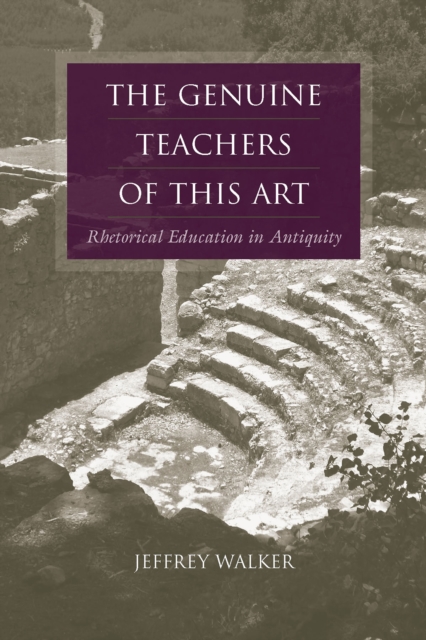
Genuine Teachers of This Art examines the techne, or "e;handbook,"e; tradition-which it controversially suggests began with Isocrates-as the central tradition in ancient rhetoric and a potential model for contemporary rhetoric.
This innovative book proposes that what we think of as "e;moral conscience"e; is essentially the exercise of reflective judgment on the goods and ends arising in interpersonal relations, and that such judgment constitutes a form of taste.
Philosophy in the Islamic world from the 9th to 11th centuries was characterized by an engagement with Greek philosophical works in Arabic translation.
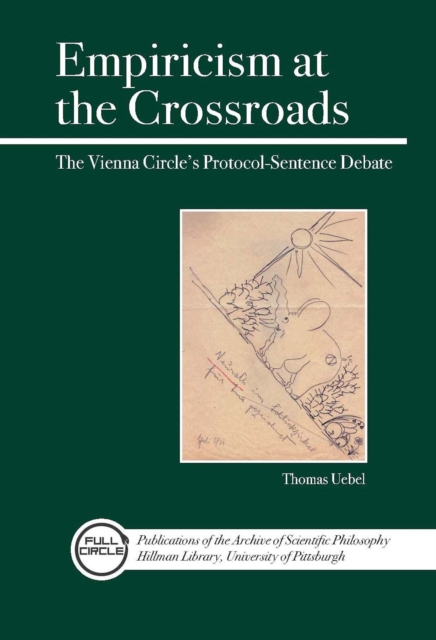
Rather than a monolithic movement of nave empiricists, the Vienna Circle represented a discussion forum for what were sometimes compatible, sometimes conflicting philosophical approaches to empirical evidence.
The story of German philosophy from the Middle Ages to todayThis concise but comprehensive book provides an original history of German-language philosophy from the Middle Ages to today.
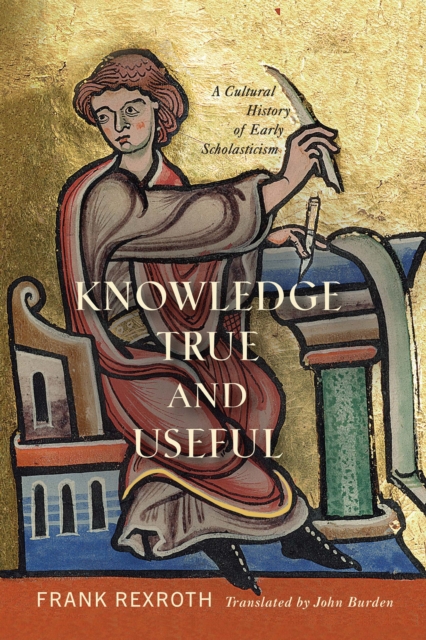
A radical shift took place in medieval Europe that still shapes contemporary intellectual life: freeing themselves from the fixed beliefs of the past, scholars began to determine and pursue their own avenues of academic inquiry.
The first book to address the historical failures of philosophy-and what we can learn from themPhilosophers are generally unaware of the failures of philosophy, recognizing only the failures of particular theories, which are then remedied with other theories.
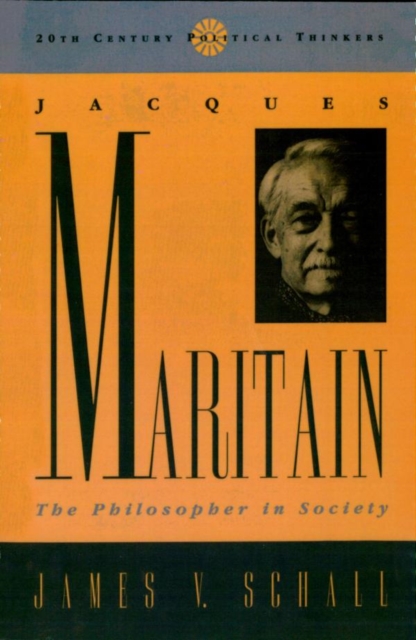
The engaging and inquiring mind of French philosopher Jacques Maritain reflected on subjects as varied as art and ethics, theology and psychology, and history and metaphysics.
In The Soul of a Nation: America as a Tradition of Inquiry and Nationhood, Chris Altieri contends that the forma mentis of the founders of the political society often viewed--by its members and by those external to it--as the non plus ultra of modernity, i.
This book gathers wide-ranging essays on the Italian Renaissance philosopher and cosmologist Giordano Bruno by one of the world's leading authorities on his work and life.
This book offers an introductory review to a wide range of thinking, formulated over the last half-millennium in the Western world, about the meaning of human existence.
Soren Kierkegaard, the nineteenth-century Danish philosopher rediscovered in the twentieth century, is a major influence in contemporary philosophy, religion, and literature.
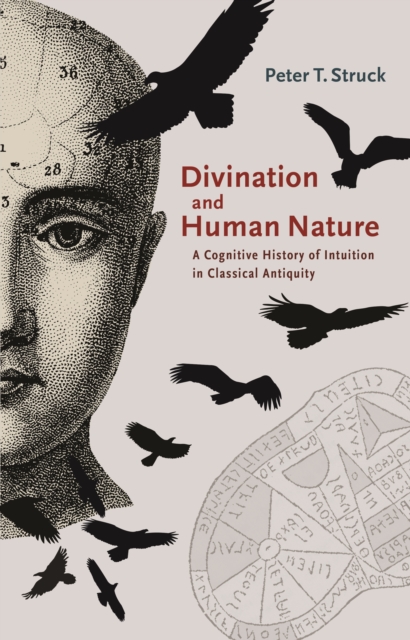
Divination and Human Nature casts a new perspective on the rich tradition of ancient divination-the reading of divine signs in oracles, omens, and dreams.
In the most original interpretation of Aristotle's Politics in years, Michael Davis delivers many memorable and provocative formulations of Aristotle's messages concerning the constitutive tensions of political life.
This is the first of five volumes of a definitive history of analytic philosophy from the invention of modern logic in 1879 to the end of the twentieth century.
A Feminist Perspective on Virtue Ethics provides of historical survey of feminist virtue ethics, and shows how the ethical theorizing of women in the past can be brought to bear on that of women in the present.
Distinguished international scholars discuss the connection between emotion and value in Kant's philosophy, from his ethics to his philosophy of mind, aesthetics, religion and politics.
The philosophical essays of this collection argue, each time from a singular perspective, that the task of thinking is to release the element of the unconditional from various closures, and thus to make it manifest as the true and the essential task of our individual and social existence.
The philosophical essays of this collection argue, each time from a singular perspective, that the task of thinking is to release the element of the unconditional from various closures, and thus to make it manifest as the true and the essential task of our individual and social existence.
Dem Menschen, dessen Seele die Natur den verhängnisschweren Keim zu einer vollgiftigen, mündlichen und schöpferischen Persönlichkeit gelegt hat, bleibt es kaum erspart, sich von der Partei, der er angehört, in deren Schoß er groß geworden ist, zu lösen und sich zu befreien.