THE TOP TEN SUNDAY TIMES BESTSELLER'Bristles with pure, crystalline intelligence, deep knowledge and human sympathy' Richard DawkinsIs modernity really failing?
'Expertly crafted' AMELIA DIMOLDENBERG'A beautiful siren song to anyone who has ever felt ashamed of their own taste' SCARLETT CURTIS'An ode to both fearless critique and visceral fandom' BILLIE JD PORTERA deep dive into the joy and power of personal pleasures, quirks, obsessions and bad taste, from zine royalty, Ione Gamble.
Die Möglichkeiten von Wissenschaft und ErkenntnisEinsteins Klassiker von 1936 bietet nicht nur eine prägnante Auseinandersetzung mit seinem eigenen Werk wie der Relativitätstheorie und seiner Sichtweise der Quantentheorie, sondern auch der Geschichte der Physik insgesamt.
ANTI TRANSHUMANISM: Adversus Transhumanismum (Introducing Parahumanism) 1st EditionA bold philosophical critique of the transhumanist movement, Adversus Transhumanismum exposes how the promises of human enhancement, immortality, and post-biological evolution remain inaccessible to most—especially in developing nations where basic needs are still unmet.
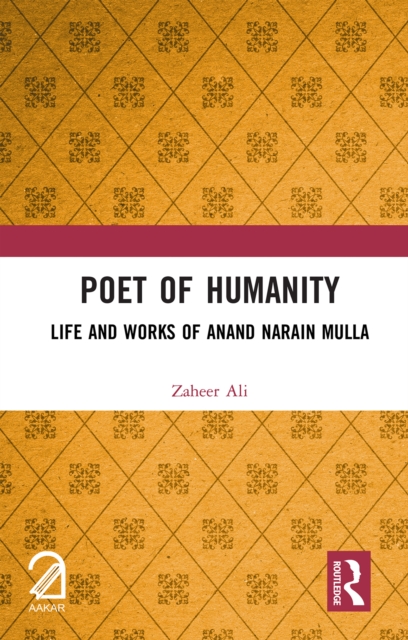
Lord Jagannath, residing in the sacred Nilaachala of Puri, is not just a deity; He is a living symbol of equality, love, devotion, and selfless service.
La Crítica de la razón pura preanuncia una tarea que Kant fue desarrollando a través de los años, y cuya extensión abarca la metafísica de la naturaleza y la de las costumbres.
Diese Untersuchung holt die italienische Humanistin Isotta Nogarola (1418–1466) in die europäische Philosophie- und Theologiegeschichte zurück und bietet eine Neubewertung ihrer Schriften aus einer interdisziplinären, philosophisch-theologischen Perspektive.
Diese Untersuchung holt die italienische Humanistin Isotta Nogarola (1418–1466) in die europäische Philosophie- und Theologiegeschichte zurück und bietet eine Neubewertung ihrer Schriften aus einer interdisziplinären, philosophisch-theologischen Perspektive.
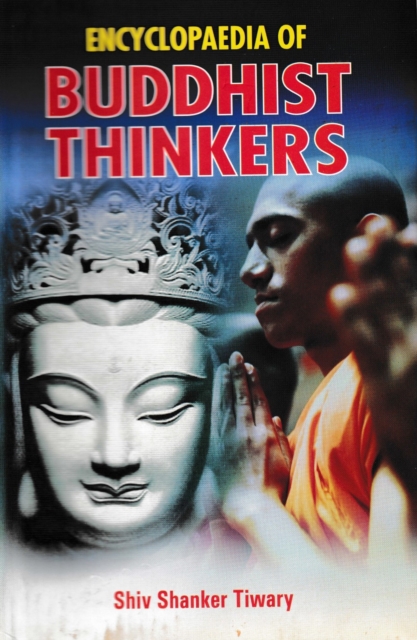
This encyclopaedia is about many great thinkers of Buddhism who have significantly contributed towards the development and spreading of Buddhism around the world.
This encyclopaedia is about many great thinkers of Buddhism who have significantly contributed towards the development and spreading of Buddhism around the world.
This encyclopaedia is about many great thinkers of Buddhism who have significantly contributed towards the development and spreading of Buddhism around the world.
This encyclopaedia is about many great thinkers of Buddhism who have significantly contributed towards the development and spreading of Buddhism around the world.
This encyclopaedia is about many great thinkers of Buddhism who have significantly contributed towards the development and spreading of Buddhism around the world.
This encyclopaedia is about many great thinkers of Buddhism who have significantly contributed towards the development and spreading of Buddhism around the world.
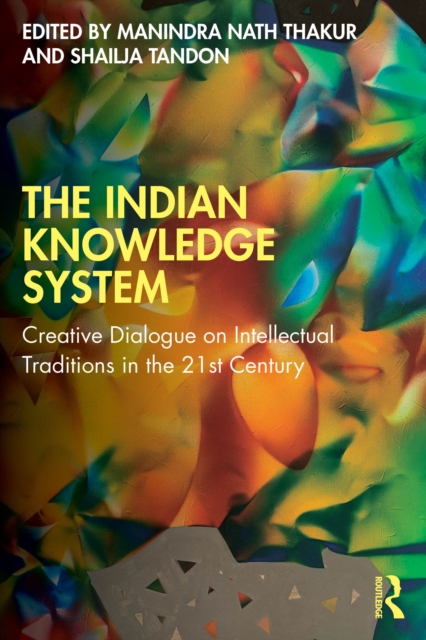
This pioneering volume makes a vital intervention to the growing movement of decolonising conceptual frameworks and methodological approaches in social sciences.
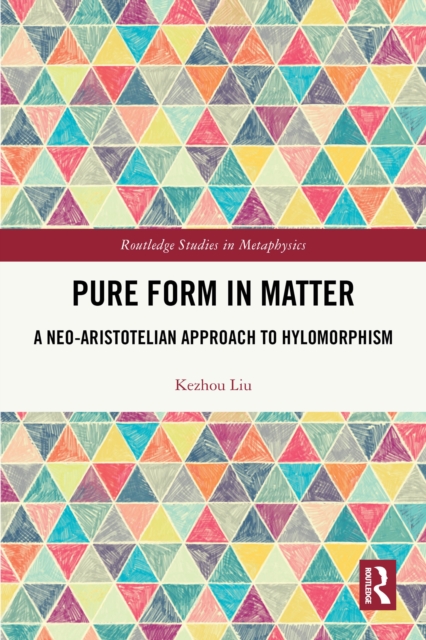
This book defends a purist neo-Aristotelian approach to hylomorphism, addressing long-standing debates about the reality of material objects and engaging with contemporary philosophical discussions.
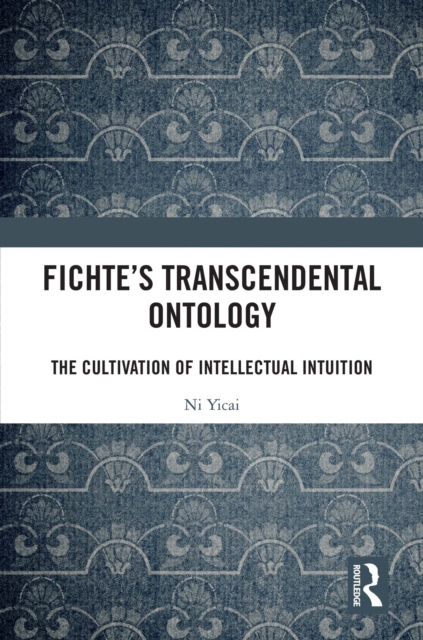
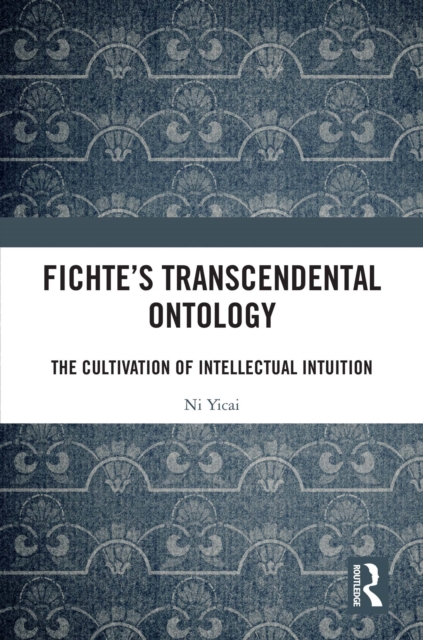
This book reinterprets Fichte's thought as a "e;transcendental ontology,"e; arguing that his later Jena Wissenschaftslehre transcends the "e;History of Self-Consciousness"e; to establish a "e;History of Being,"e; where the I's genesis aligns with the world's historical development.
This book reinterprets Fichte's thought as a "e;transcendental ontology,"e; arguing that his later Jena Wissenschaftslehre transcends the "e;History of Self-Consciousness"e; to establish a "e;History of Being,"e; where the I's genesis aligns with the world's historical development.
One of the first books to examine Hannah Arendt's work by putting it in conversation with a series of literary works from writers such as Melville, Brecht, Conrad, and Sarraute, this book addresses the main puzzles of Arendt's work and offers nuanced and innovative analyses of her strengths and shortcomings.
This book defends a purist neo-Aristotelian approach to hylomorphism, addressing long-standing debates about the reality of material objects and engaging with contemporary philosophical discussions.
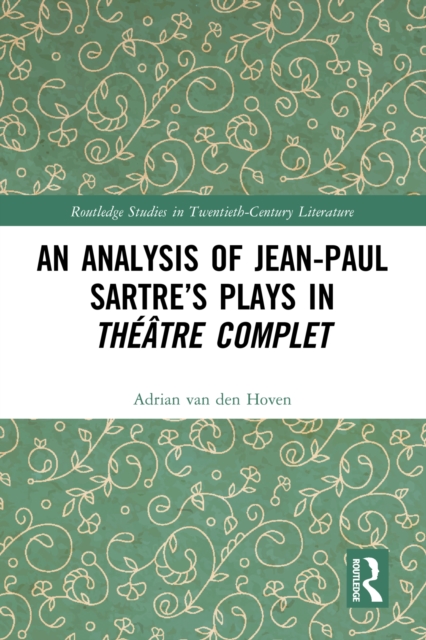
An Analysis of Jean-Paul Sartre's Plays in Theatre complet is the first volume to propose a critical analysis of all of Jean-Paul Sartre's plays as published in the Bibliotheque de la Pleiade, Paris, Gallimard, 2005.
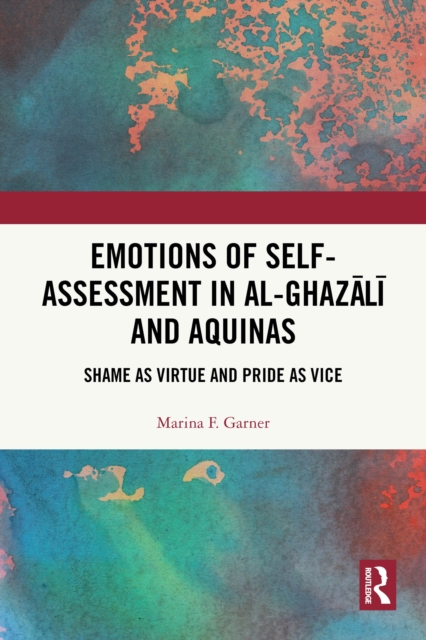
This book offers a comparative study of two central yet often neglected moral emotions-shame and pride-in the ethical writings of Abu Hamid al-Ghazali and Thomas Aquinas.
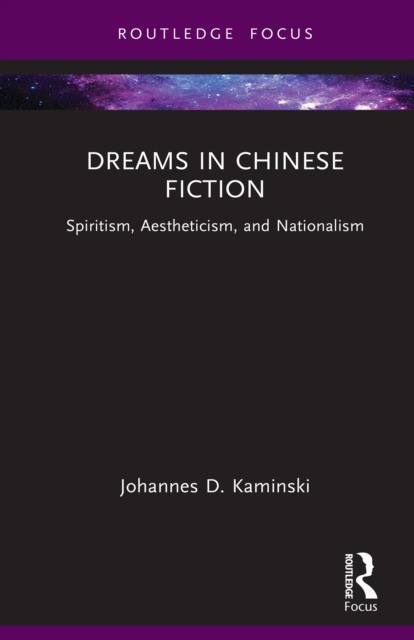
This book considers the contemporary political formula of the "e;Chinese Dream"e; in the light of the treatment of dreams in Chinese literary history since antiquity.
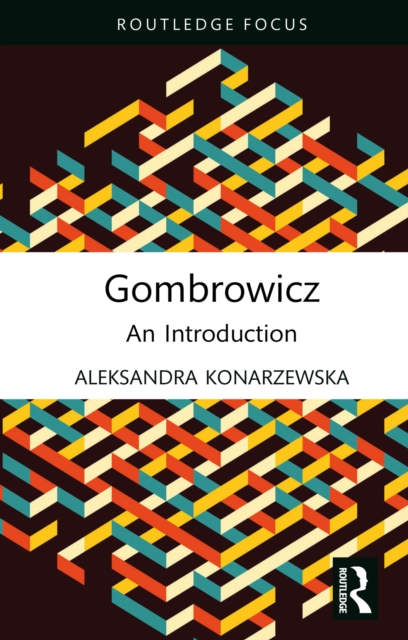
This book is a short introduction to Witold Gombrowicz's life and work as one of the most prominent figures in twentieth-century literature and theater, providing intertextual perspectives that allow readers to analyze his short stories, plays, and novels in broad contexts.
Philosophy and Occupational Therapy: Informing Education, Research, and Practice provides an overview of the most influential philosophical movements from past to present and shows how these philosophies are a foundational, yet underutilized, element of occupational therapy education, research, and practice.
This book considers the contemporary political formula of the "e;Chinese Dream"e; in the light of the treatment of dreams in Chinese literary history since antiquity.
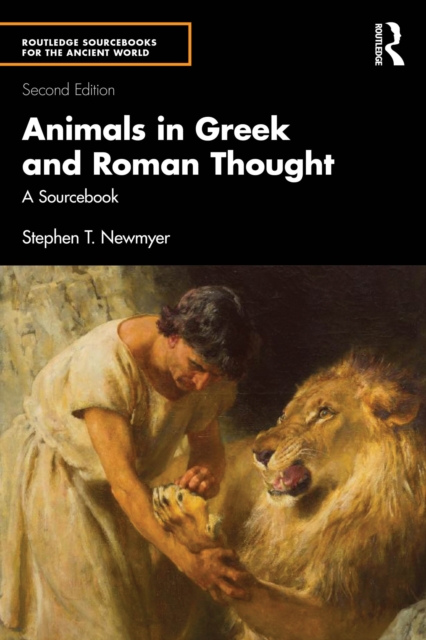
The second edition of Animals in Greek and Roman Thought: A Sourcebook offers a detailed introduction to Greco-Roman thought on the intellectual and emotional capacities of non-human animals and on the ethical dimensions of human-non-human animal interactions.