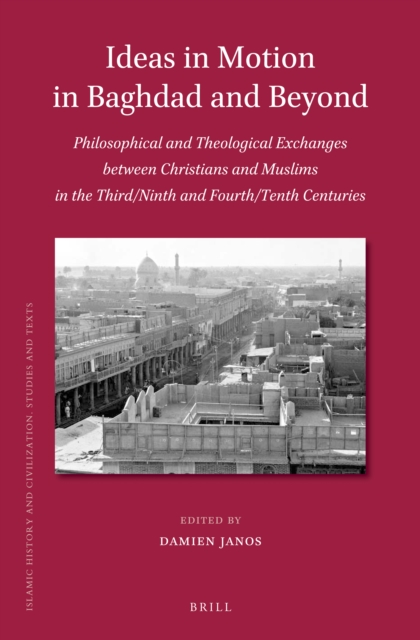
This volume contains a collection of articles focusing on the philosophical and theological exchanges between Muslim and Christian intellectuals living in Baghdad during the classical period of Islamic history, when this city was a vibrant center of philosophical, scientific, and literary activity.
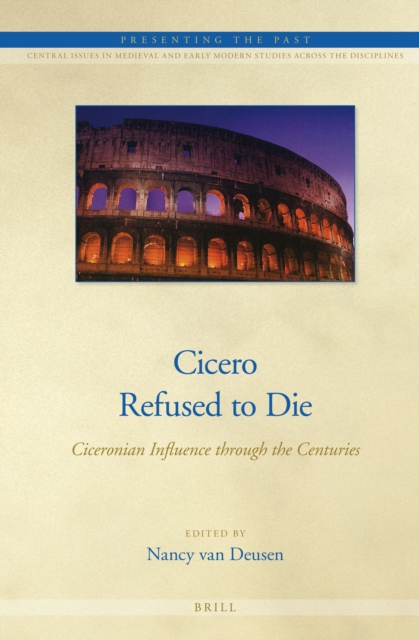
Cicero has indeed refused to die, despite the fact that he, in the year 43 BC, was savagely put to death, a preposterous event that brought an end to the long and illustrious career of a lawyer, politician, statesman, praetor, consul, and above all, intellectual, philosopher, writer.
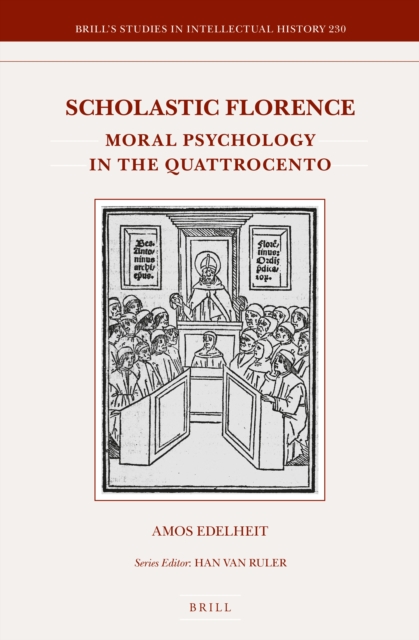
An unfamiliar portrait of Renaissance Florence is depicted in this volume where we find not only some celebrated humanist-oriented thinkers but also their scholastic friends and rivals, discussing matters pertaining to moral psychology.
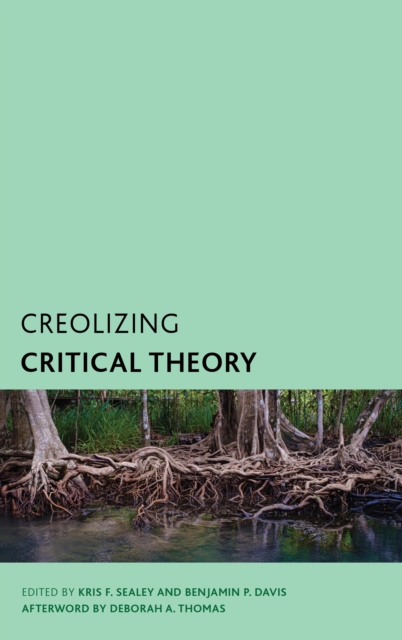
Creolizing Critical Theory highlights the Caribbean as a philosophical site from which, for centuries and until today, theorists have articulated pressing critiques of capitalism and colonialism.
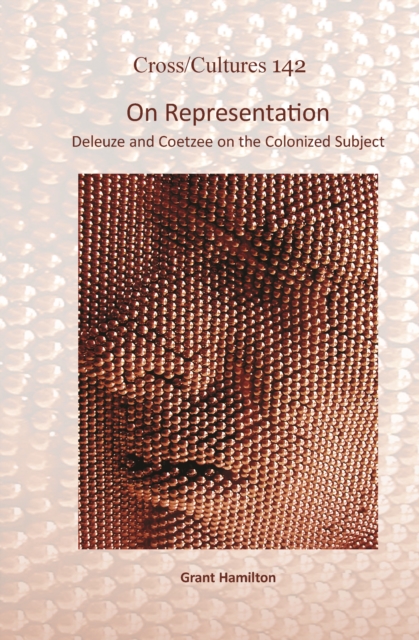
In this important new study, Hamilton establishes and develops innovative links between the sites of postcolonial literary theory, the fiction of the South African/Australian academic and Nobel Prize-winning writer J.
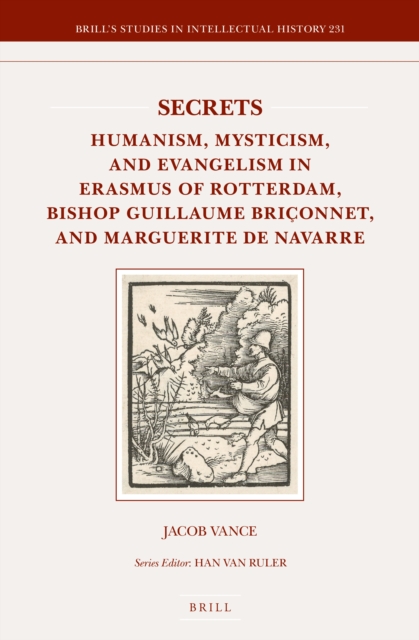
In Secrets: Humanism, Mysticism, and Evangelism in Erasmus of Rotterdam, Bishop Guillaume Briconnet, and Marguerite de Navarre, Jacob Vance argues that Erasmus and French Evangelical humanists made secrecy central to their literary thought.
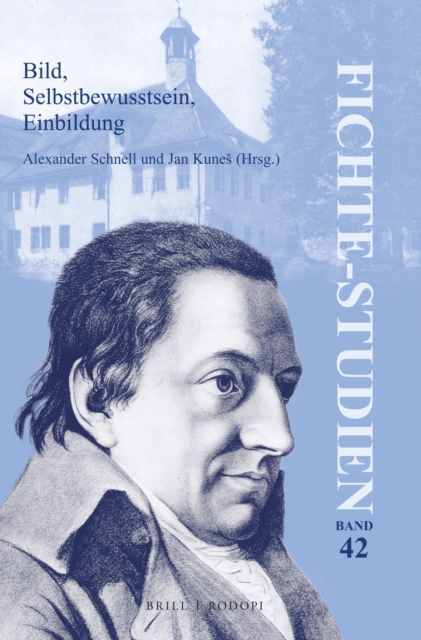
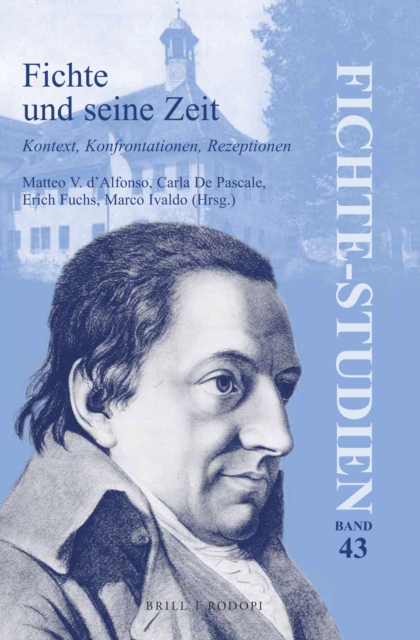
Dieser Band der Fichte-Studien Bild, Selbstbewusstsein, Einbildung stellt Fichtes Bildlehre im systematischen Zusammenhang seiner Wissenschaftslehre vor.
Phenomenology, Architecture and the Built World is an introduction to the methods and basic concepts of phenomenological philosophy through an analysis of the phenomenon of the built world.
Material Difference: Modernism and the Allegories of Discourse argues that deconstruction can be employed in conjunction with the historically-oriented approach to cultural experience that is favored by Critical Theory.
In The Thirteenth-Century Notion of Signification, Ana Maria Mora-Marquez presents an exhaustive study of the three 13th-century discussions explicitly dealing with the notion of Significatio.
Many kinds of Cartesian views are treated by these papers: the views that Descartes held, views from our perspective on those views, views on Descartes held by his early critics and followers, and views that are Cartesian in outlook (not for nothing is Descartes still regarded as the father of modern philosophy.
By way of essays and a selection of primary sources in parallel text, Biography, Historiography, and Modes of Philosophizing provides an introduction to a vast, significant, but neglected corpus of early modern literature: collective biography.
This book highlights the famous 'Athenian tribe': a group of humanist scholars in the reigns of Henry VIII, Edward VI and Elizabeth I, who resolved many difficult problems concerning the Tudor succession, diplomacy, and the English Church.
In Self-Identity and Powerlessness, Alice Koubova proposes a conception of human existence that does not essentially depend on the definition of self-identity.
Plato is well known both for the harsh condemnations of images and image-making poets that appear in his dialogues and for the vivid and intense imagery that he himself uses in his matchless prose.
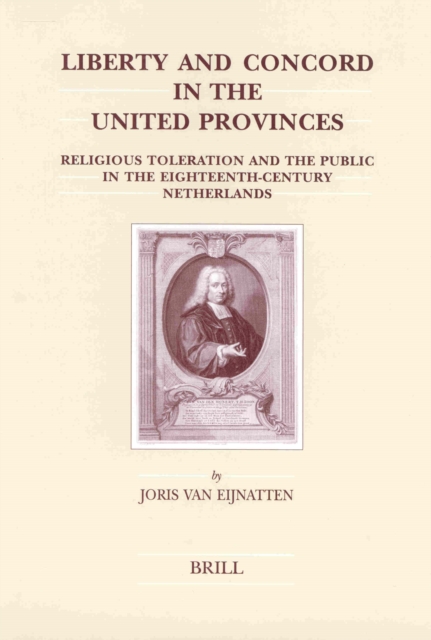
This volume offers an outline of developments in the intellectual debate on religious liberty, religious toleration and religious concord in the eighteenth-century Netherlands.
Against the grain of many contemporary theoretical positions that indulge in delusions of safety and certainty, Being and Not Being argues that contingency is definitive of the structure of being itself.
Decolonizing Existentialism and Phenomenology analyzes the history of decolonial existentialist and phenomenological theory in the work of figures such as Simone de Beauvoir, Richard Wright, Franz Fanon, Lewis Gordon, Audre Lorde, Sylvia Wynter, and Jamaica Kincaid in order to reimagine and rewrite the philosophical canon.
Decolonizing Existentialism and Phenomenology analyzes the history of decolonial existentialist and phenomenological theory in the work of figures such as Simone de Beauvoir, Richard Wright, Franz Fanon, Lewis Gordon, Audre Lorde, Sylvia Wynter, and Jamaica Kincaid in order to reimagine and rewrite the philosophical canon.
Gender scholarship during the last four decades has shown that the exclusion of women's voices and perspectives has diminished academic disciplines in important ways.
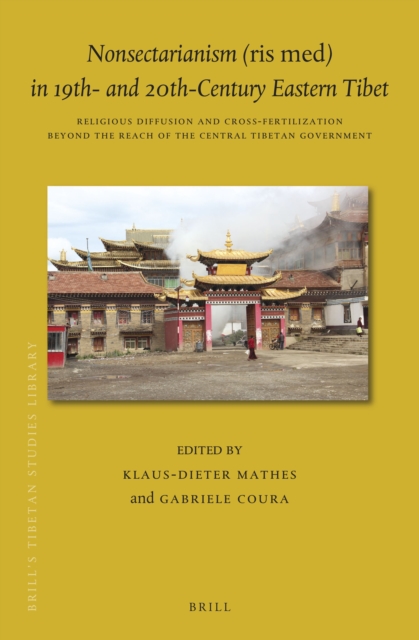
Moving beyond the original bodhi tree where the historical Buddha attained enlightenment, Buddhism spread throughout Asia and in more recent history has become ubiquitous in America and other Western nations as it marches into the status of a major global religion.
Against the grain of many contemporary theoretical positions that indulge in delusions of safety and certainty, Being and Not Being argues that contingency is definitive of the structure of being itself.
Jean-Paul Sartre's work has been taken up by writers outside of Europe, particularly in the Global South, who have developed phenomenological and existential analyses of racism, colonialism, and other structures of domination.
Moving beyond the original bodhi tree where the historical Buddha attained enlightenment, Buddhism spread throughout Asia and in more recent history has become ubiquitous in America and other Western nations as it marches into the status of a major global religion.