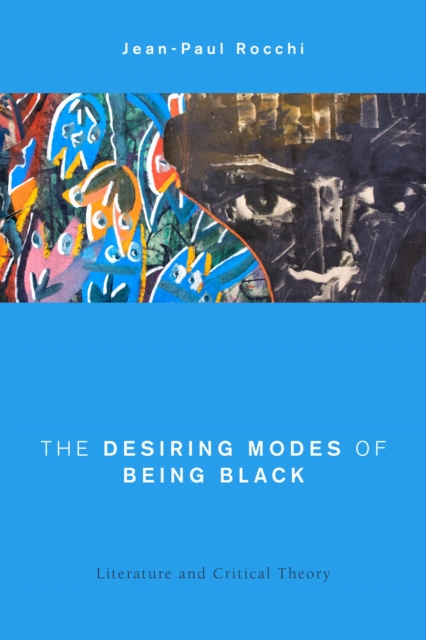
A critique of theory through literature that celebrates the diversity of black being, The Desiring Modes of Being Black explores how literature unearths theoretical blind spots while reasserting the legitimacy of emotional turbulence in the controlled realm of reason that rationality claims to establish.
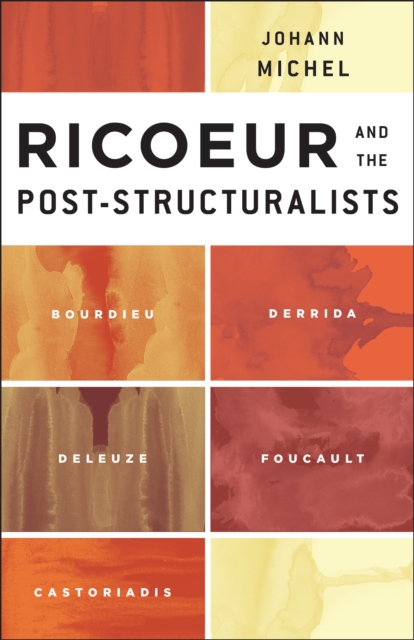
In this important and original book, Johann Michel paves the way for a greater understanding of Paul Ricoeur's philosophy by exploring it in relation to some major figures of contemporary French thought-Bourdieu, Derrida, Deleuze, Foucault and Castoriadis.
In the past few decades, it has become clear that the Western world's relation to nature has led to environmental degradation so wide-ranging that it threatens the existence of human civilizations as we have come to know them.
This highly original collection of essays contributes to a critique of the common understanding of modernity as an enlightened project that provides rational grounds for orientation in all aspects and dimensions of the world.
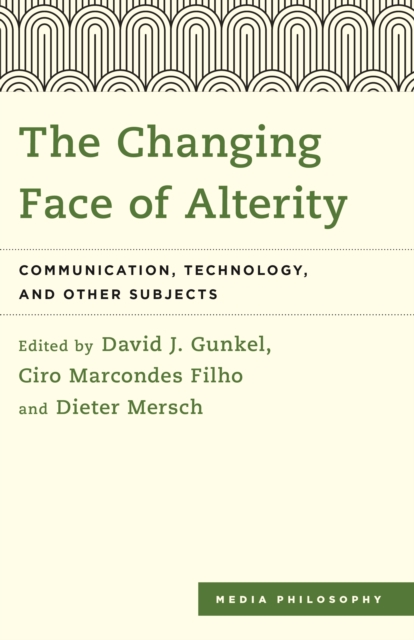
Is it possible to incite a turn towards Media Philosophy, a field that accounts for the autonomy of media, for machine agency and for the new modalities of thought and subjectivity that these enable, rather than dwelling on representations, audiences and extensions of the self?
There has been a recent revival of interest in reading Kierkegaard as an ontologist, as a thinker who engages with questions about the kinds of entity or process that constitute ultimate reality.
Revolutionary theories from Marx onward have often struggled to unite the psychological commitments of individuals- understood as ideological- with the larger ethical or political goals of a social movement.
This timely volume brings together a diverse group of expert authors in order to investigate the question of phenomenology's relation to the political.
The Dimensions of Difference departs from traditional takes on feminist film criticism, and in particular from the psychoanalytical focus on the gaze, to examine the question of sexual difference through three axes: space, time, and bodies.
Born in Eastern Europe, educated in the West under the guidance of Martin Heidegger and the phenomenological tradition, and forced to flee during the Holocaust because of their Jewish identity, it should come as no surprise that Emmanuel Levinas and Hannah Arendt's ideas intersect in an important way.
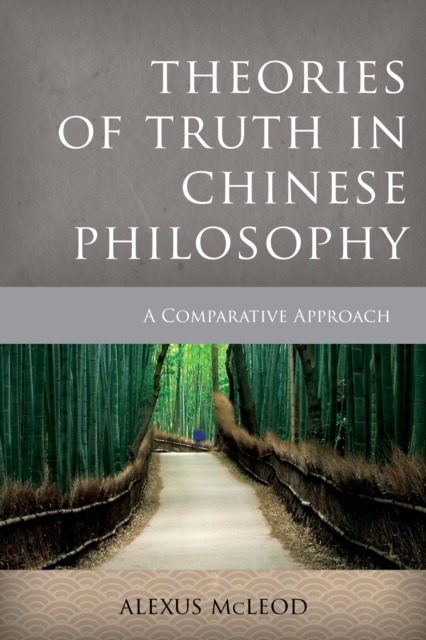
Theories of Truth in Chinese Philosophy deals with debates surrounding the concept of truth in early Chinese thought, from the earliest periods through to the Han dynasty.
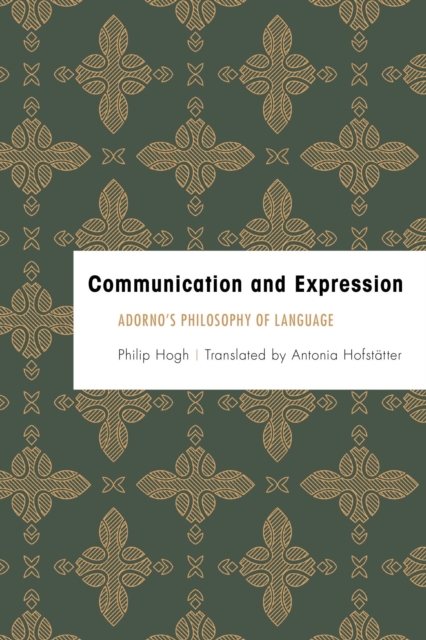
The linguistic turn in critical theory has been routinely justified with the claim that Adorno's philosophy is trapped within the limits of consciousness philosophy.
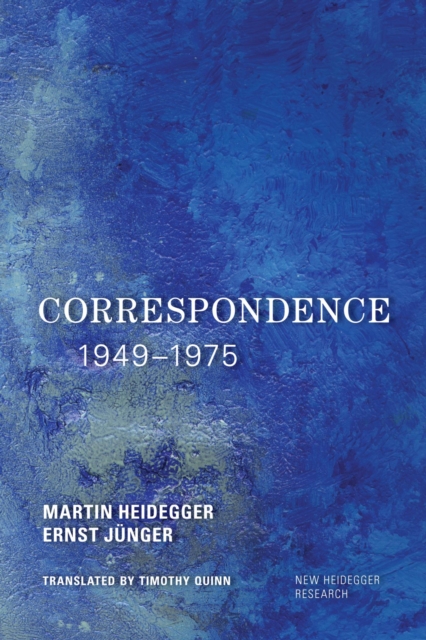
Beginning in 1949, the German novelist and essayist Ernst Junger began a correspondence with the philosopher Martin Heidegger that lasted until Heidegger's death in 1975.
How is it that sounds from the mouth or marks on a page-which by themselves are nothing like things or events in the world-can be world-disclosive in an automatic manner?
This book describes the reception of the Nietzschean Death of God within the Italian philosophical debate, an ambit traditionally concerned with emphasising the practical-political meaning of philosophical thinking.
Existentialism is the philosophy of human existence, which flourished first in Germany in the 1920s and 1930s and then in France in the decade following the end of World War II.
The Origins of Ethical Thought: A Comparative Study Between Hellenism and Hebraism is the first text to analyze both Greek and Hebrew ethical thought based on a comprehensive and ideological interpretation of the two systems on their own and in relation to one another.
Existentialism is the philosophy of human existence, which flourished first in Germany in the 1920s and 1930s and then in France in the decade following the end of World War II.
The Origins of Ethical Thought: A Comparative Study Between Hellenism and Hebraism is the first text to analyze both Greek and Hebrew ethical thought based on a comprehensive and ideological interpretation of the two systems on their own and in relation to one another.
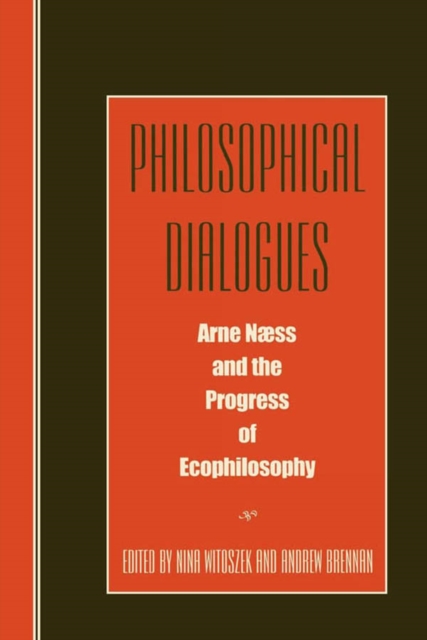
The volume documents, and makes an original contribution to, an astonishing period in twentieth-century philosophy-the progress of Arne Naess's ecophilosophy from its inception to the present.
This book aims to put modern continental philosophy, specifically the sub-fields of phenomenology, existentialism, hermeneutics, deconstruction, critical theory and genealogy, into conversation with the field of contemporary theology.
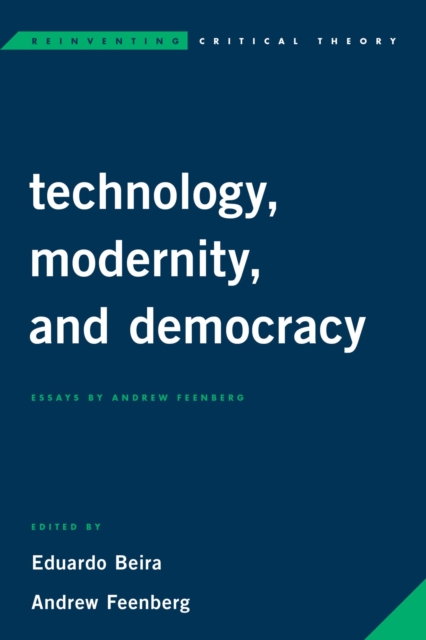
This important collection of essays by Andrew Feenberg presents his critical theory of technology, an innovative approach to philosophy and sociology of technology based on a synthesis of ideas drawn from STS and Frankfurt School Critical Theory.
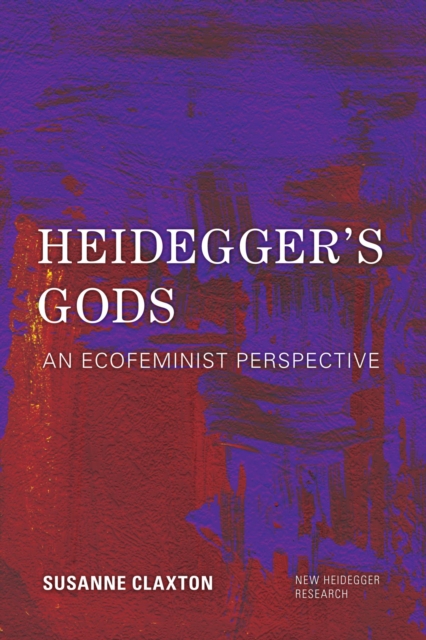
This highly original new book highlights the importance and significance of Heidegger's engagement with the Greeks, the ways in which his views are commensurate with ecofeminism, and the insights that a study of that intersection provides for both the diagnoses of our world's ills and possible curative prescriptions.
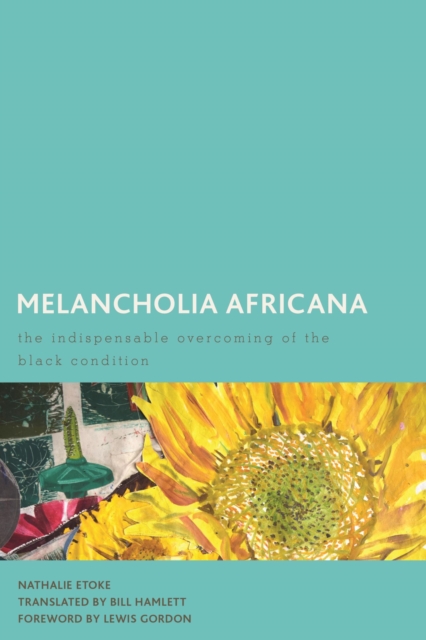
Melancholia Africana argues that in the African and Afro-diasporic context, melancholy is rooted in collective experiences such as slavery, colonization, and the post-colony.
In the reincarnation myth in Book X of Plato's Republic, the unnamed first soul, who has lived a good life and has been rewarded in the afterlife, chooses a new life and fate, and chooses catastrophically badly.
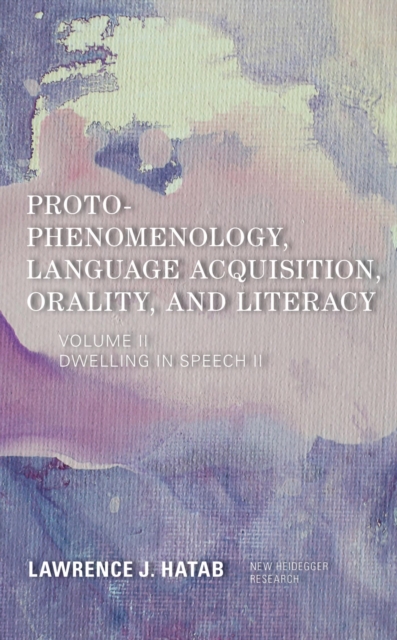
Through his innovative study of language, noted Heidegger scholar Lawrence Hatab offers a proto-phenomenological account of the lived world, the "e;first"e; world of factical life, where pre-reflective, immediate disclosiveness precedes and makes possible representational models of language.
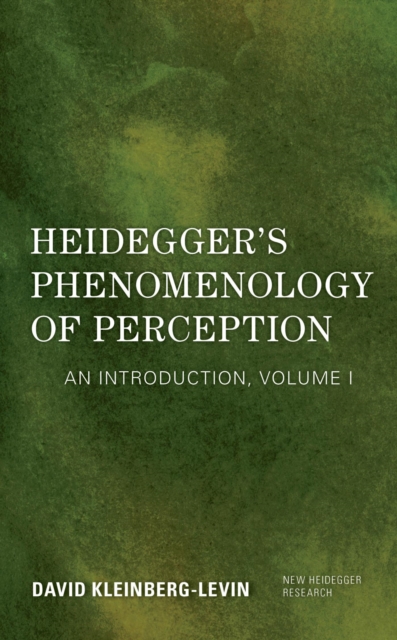
This important new book offers an introduction to Heidegger's phenomenology of perception, interpreting and explaining five key words, 'Sein', 'Dasein', 'Ereignis', 'Lichtung', and 'Geschick'.
Martin Heidegger was a captivating and controversial philosopher, known for his highly original and challenging philosophical concepts, as well as his association with - and sympathy for - the Nazi Party during World War II.
Merleau-Ponty's status as a philosopher of perception is well-established, but his distinctive contributions to the philosophy and phenomenology of language have yet to be fully appreciated.
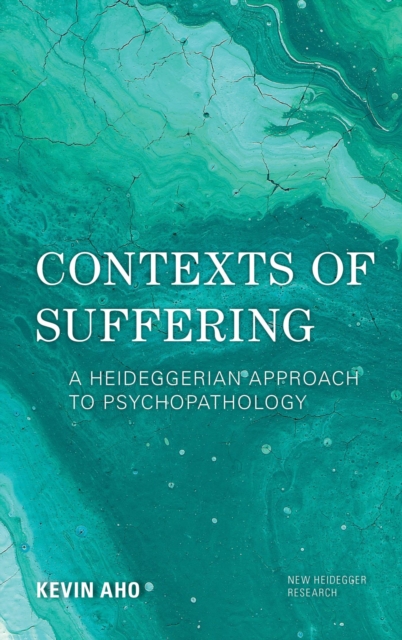
Contexts of Suffering draws on Martin Heidegger's phenomenology and his analysis of human existence to challenge core assumptions in contemporary psychiatry by contextualizing mental illness and illuminating its existential and experiential qualities.