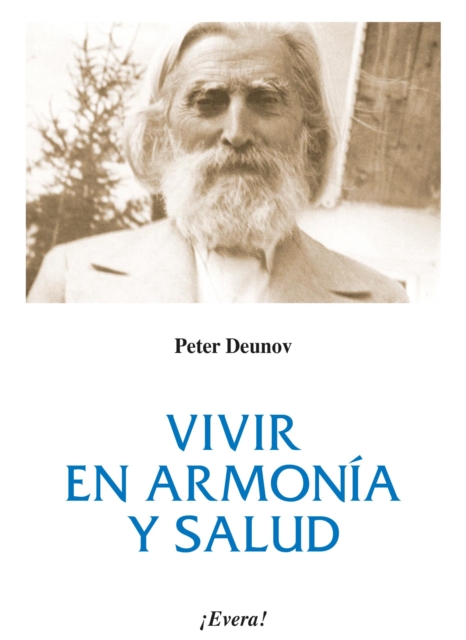
El Maestro Peter Deunov nos proporciona en este libro amplios conocimientos sobre la salud y las causas de las enfermedades, ofreciéndonos métodos prácticos para alcanzar una existencia plena, basada en una vida sana y equilibrada : " Para estar sanos, mantened constantemente en vuestra mente pensamientos claros, puros, en armonía con los sentimientos más nobles.
"En el contexto de las «vidas líquidas» del mundo contemporáneo y con la coyuntura del aislamiento social por la pandemia de COVID-19, los catorce artículos de este volumen pretenden reflexionar sobre el sentido de la vida, desde perspectivas teológicas, filosóficas, artísticas o pedagógicas, pero siempre con la comunidad como un horizonte de llegada.
Die Explosion des Denkens - Jetz alle drei Bände als GoldeditionIn dieser Klett-Cotta Gold Edition befinden sich alle drei Teile der "Philosophie des 20.
Escrita durante el exilio en Japón y publicada en 1939, De Hegel a Nietzsche' ha sido considerada un clásico y juzgada, con razón, como la obra más importante sobre la filosofía y la historia intelectual del siglo XIX.
El recorrido por la experiencia humana y la formacion de la conciencia que Hegel expone en la Fenomenologia del Espiritu, culmina con la figura del saber absoluto.
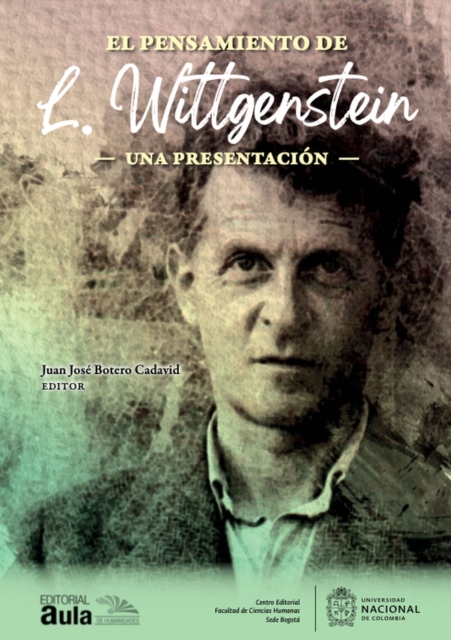
Este libro reúne once textos introductorios al pensamiento del filósofo vienés Ludwig Wittgenstein (1889-1951), uno de los más influyentes en la filosofía contemporánea.
Los audaces y casi inabarcables fragmentos, manuscritos, lecciones, esbozos, textos criticos y libros que Hegel elaboro durante su periodo en Jena estan colmados de intuiciones y atisbos que aun no se integran dentro del plan del sistema hegeliano.
¿Qué fue lo que hice al anunciar este seminario bajo el título de "La vida-la muerte", es decir, reemplazando por un guion o por un espaciado sin él o por un guion sin palabra, por un silencio marcado, la y que en general pone la muerte con la vida, yuxtapuesta la una a la otra o, más seguramente, opuesta?
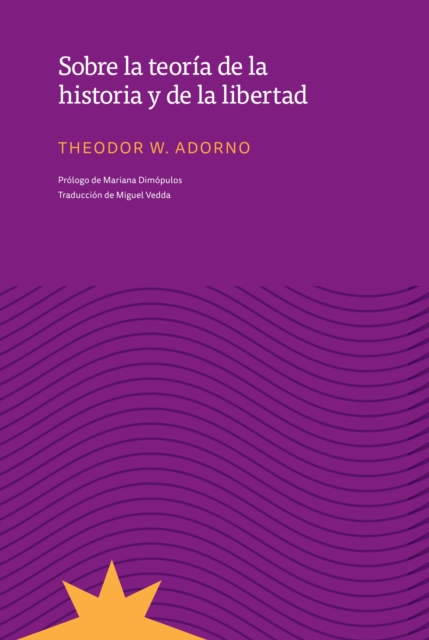
Durante la redacción de la Dialéctica negativa, su gran obra teórica, Adorno dedicó buena parte de su tarea docente a discutir las problemáticas del libro cuya elaboración le tomó siete años.
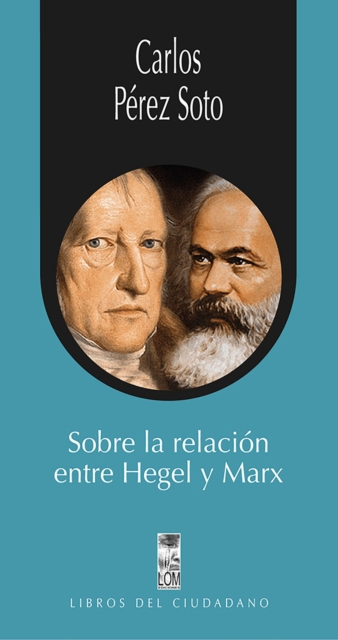
Dos personajes historicos que marcaron el pensamiento filosofico, politico y economico del mundo contemporaneo, cuyas obras, por la interaccion que las complementa, determino una relacion entre ellos.
Testigo privilegiado de casi medio siglo de la vida de Heidegger, Petzet revela no sólo nuevos aspectos del pensamiento de Heidegger y de sus actitudes respecto de los acontecimientos históricos e intelectuales de su época, sino que también da cuenta de los encuentros con aquellos contemporáneos que más influyeron sobre la obra del autor de "Ser y tiempo".
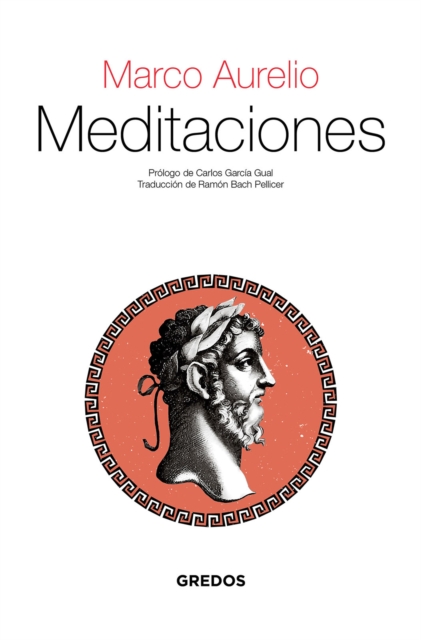
Las anotaciones autobiográficas, las reflexiones y sentencias que Marco Aurelio fue escribiendo para sí mismo, durante sus últimos años de vida, componen un texto singular en la literatura antigua.
A Structuralist Approach in Psychiatry presents an alternative view of the psychiatric patient and highlights a connection with continental post-structuralist thinking to provide a new approach to psychiatry.
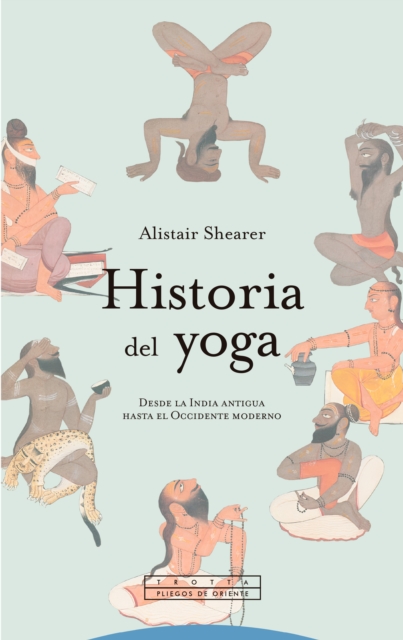
Desde sus orígenes milenarios en la mística hindú hasta su transformación en un fenómeno global del mundo moderno, este libro descubre una de las prácticas espirituales y físicas más antiguas y respetadas de la humanidad.
Tauchen Sie ein in die faszinierende Welt von Richard Wagners Oper Der Fliegende Holländer – einem Meisterwerk, das nicht nur musikalisch, sondern auch als Zeitdokument von unschätzbarem Wert ist.
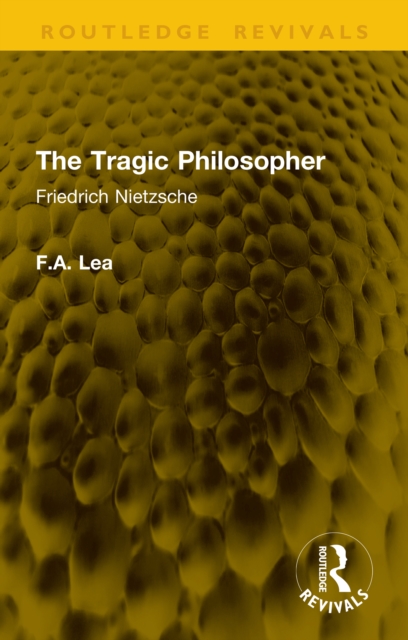
Originally published in 1957 this classic book traces the development of Nietzsche's thought through all its principal phases and stresses its relevance to our times.
In dieser Studie beleuchtet Anna Mense die Negativfacetten in romantischen Liebesverhältnissen und erarbeitet einen integrativen Liebesbegriff, der sowohl Aversionen als auch ein lustvolles Miteinander in einer Nahbeziehung abbilden kann.
Originally published in 1957 this classic book traces the development of Nietzsche's thought through all its principal phases and stresses its relevance to our times.
A fascinating examination of ethics, religion and psychology, this selection of Schopenhauer's works contains scathing attack on the nature and logic of religion, and an essay on ethics that ranges from the American slavery debate to the vices of Buddhism.
In the posthumously published Dialogues Concerning Natural Religion, the Enlightenment philosopher David Hume attacked many of the traditional arguments for the existence of God, expressing the belief that religion is founded on ignorance and irrational fears.
In An Essay Concerning Human Understanding, first published in 1690, John Locke (1632-1704) provides a complete account of how we acquire everyday, mathematical, natural scientific, religious and ethical knowledge.
A Practical Guide to Understanding Kant offers a lucid and engaging pathway into the thought of Immanuel Kant, one of the central figures of modern philosophy.
Tristan erlebte das Erwachen der Kundalini erstmals 1991, nachdem er eine kurze Zeit lang in einem Höhlenkloster in Nordthailand stille Meditation praktiziert hatte.