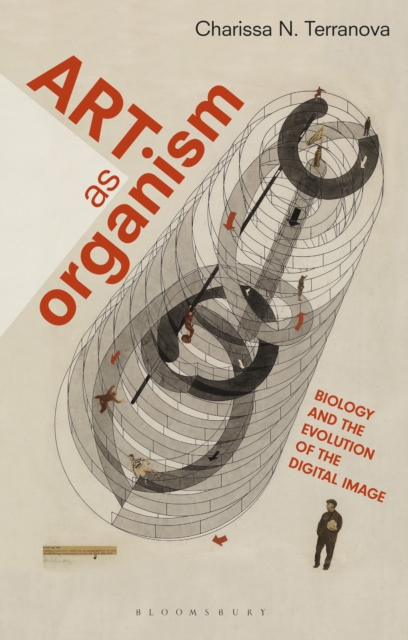
In this groundbreaking book, Charissa Terranova unearths a forgotten narrative of modernism, which charts the influence that biology, General Systems Theory and cybernetics had on art in the twentieth century.
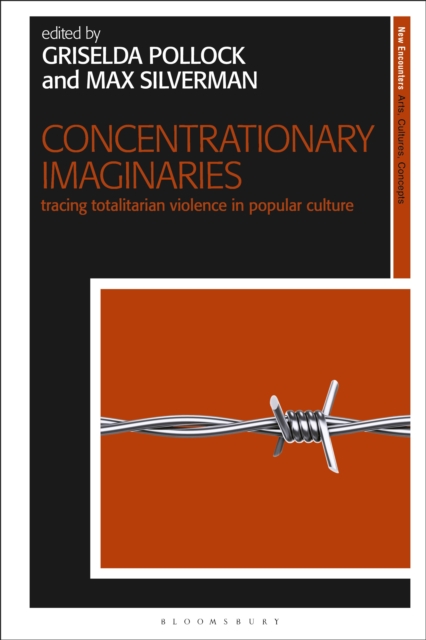
In 1945, French political prisoners returning from the concentration camps of Germany coined the phrase 'the concentrationary universe' to describe the camps as a terrible political experiment in the destruction of the human.
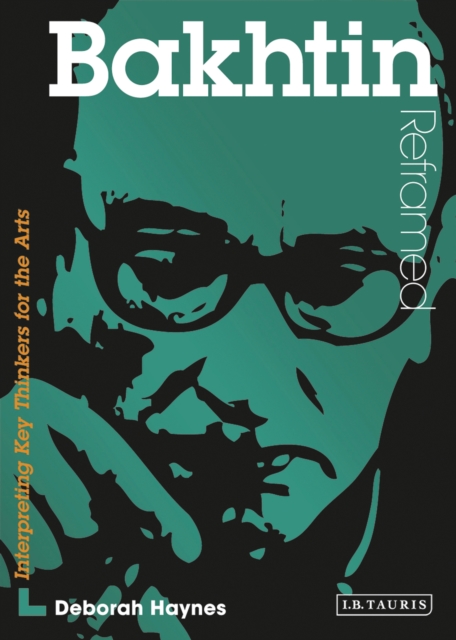
Legendary philosopher and literary critic Mikhail Bakhtin (1895-1975) developed concepts which are bywords within poststructuralist and new historicist literary criticism and philosophy yet have been under-utilised by artists, art historians and art critics.
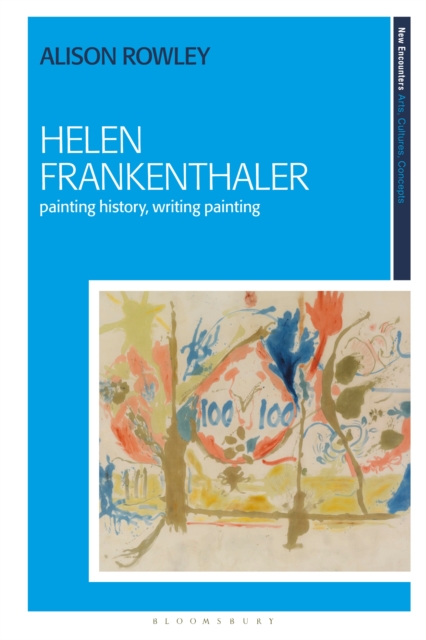
This extraordinary examination of the work of 'colour field' painter Helen Frankenthaler overturns assumptions about the artist, whose work has been burdened by its label as 'the bridge between Pollock and what was possible'.
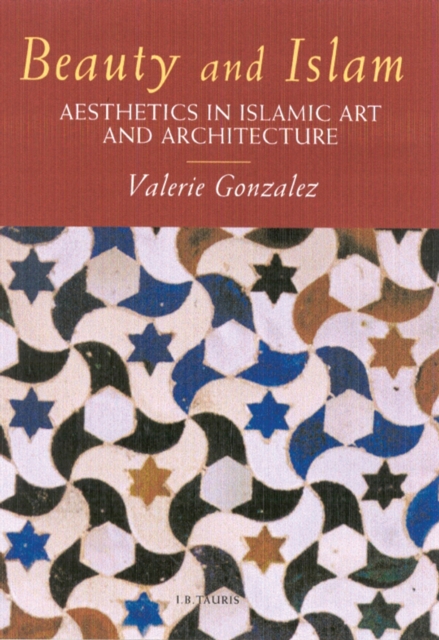
'Beauty and Islam' explores aspects of aesthetics in classical Islamic thought in the light of contemporary theories, offering new perspectives on Islamic art and architecture with examples ranging from the Qur'an and the Alhambra to the works of present day artists and philosophers.
As poets continue to use digital media technology, functionalities of computing extend aesthetic possibilities in documents focusing attention on crafting verbal content.
In Deleuze and Art Anne Sauvagnargues, one of the world's most renowned Deleuze scholars, offers a unique insight into the constitutive role played by art in the formation of Deleuze's thought.
In Always More Than One, the philosopher, visual artist, and dancer Erin Manning explores the concept of the "e;more than human"e; in the context of movement, perception, and experience.
Through the concept of "e;social choreography"e; Andrew Hewitt demonstrates how choreography has served not only as metaphor for modernity but also as a structuring blueprint for thinking about and shaping modern social organization.
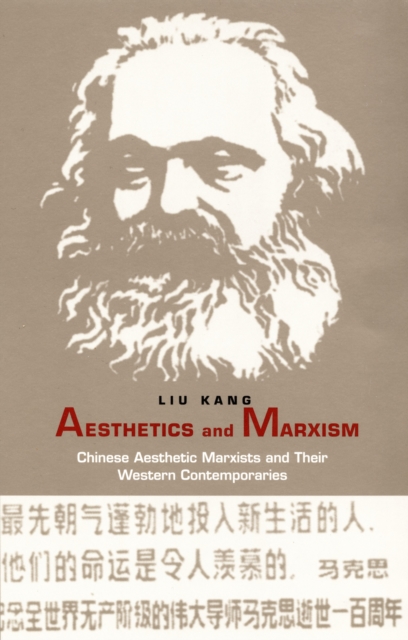
Although Chinese Marxism-primarily represented by Maoism-is generally seen by Western intellectuals as monolithic, Liu Kang argues that its practices and projects are as diverse as those in Western Marxism, particularly in the area of aesthetics.
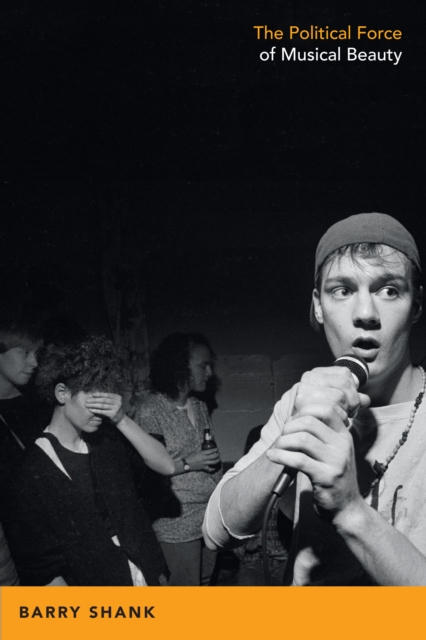
In The Political Force of Musical Beauty, Barry Shank shows how musical acts and performances generate their own aesthetic and political force, creating, however fleetingly, a shared sense of the world among otherwise diverse listeners.
In Ranciere's Sentiments Davide Panagia explores Jacques Ranciere's aesthetics of politics as it informs his radical democratic theory of participation.
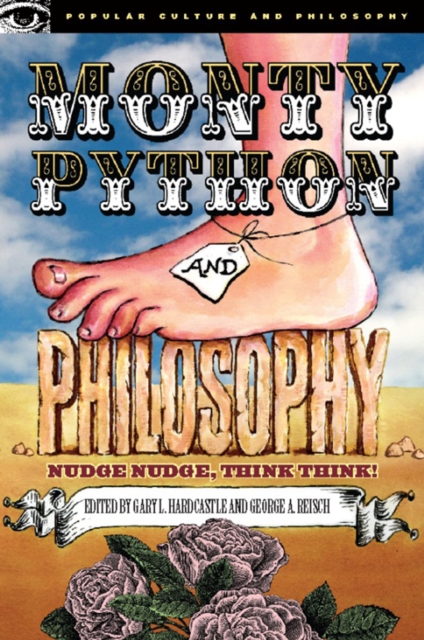
From the 1970s cult TV show, Monty Pythons Flying Circus, to the current hit musical Spamalot, the Monty Python comedy troupe has been at the center of popular culture and entertainment.
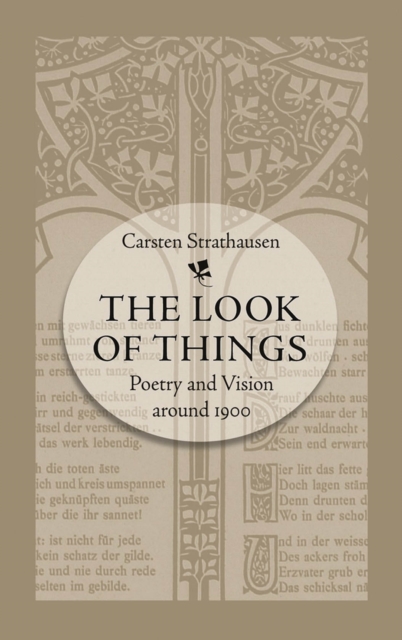
Examining the relationship between German poetry, philosophy, and visual media around 1900, Carsten Strathausen argues that the poetic works of Rainer Maria Rilke, Hugo von Hofmannsthal, and Stephan George focused on the visible gestalt of language as a means of competing aesthetically with the increasing popularity and "reality effect" of photography and film.
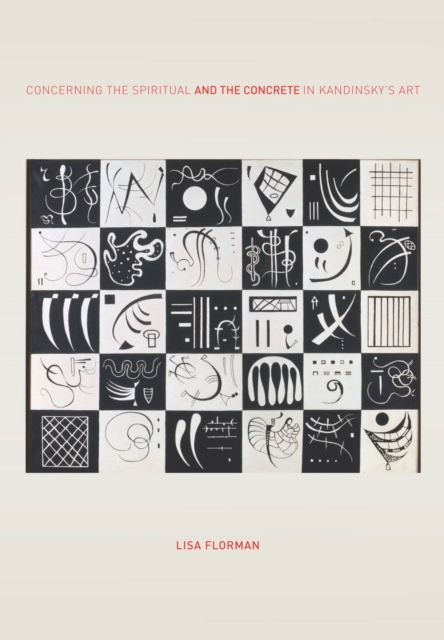
This book examines the art and writings of Wassily Kandinsky, who is widely regarded as one of the first artists to produce non-representational paintings.
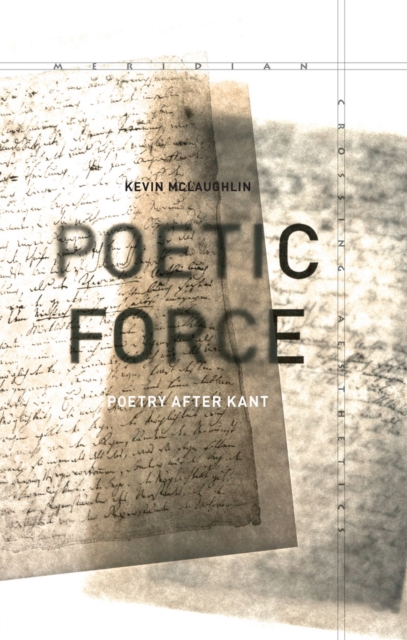
This book argues that the theory of force elaborated in Immanuel Kant's aesthetics (and in particular, his theorization of the dynamic sublime) is of decisive importance to poetry in the nineteenth century and to the connection between poetry and philosophy over the last two centuries.
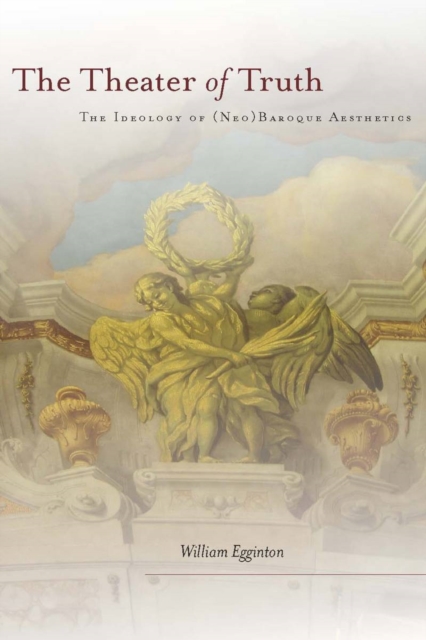
The Theater of Truth argues that seventeenth-century baroque and twentieth-century neobaroque aesthetics have to be understood as part of the same complex.
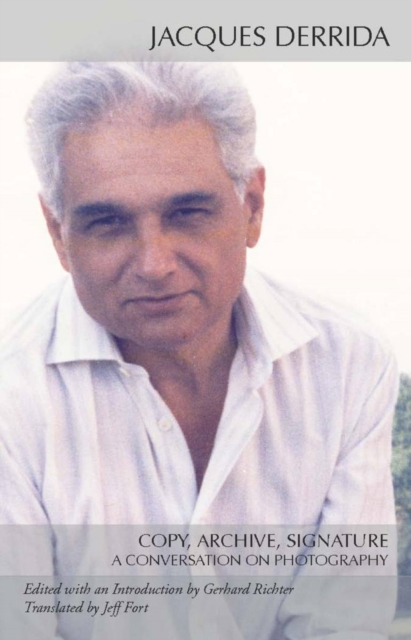
This book makes available for the first time in English-and for the first time in its entirety in any language-an important yet little-known interview on the topic of photography that Jacques Derrida granted in 1992 to the German theorist of photography Hubertus von Amelunxen and the German literary and media theorist Michael Wetzel.
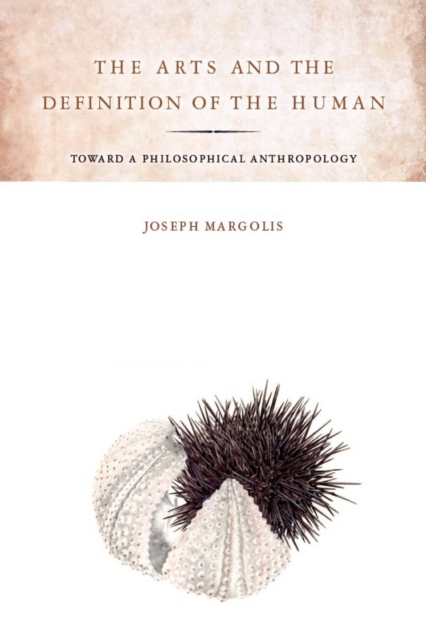
The Arts and the Definition of the Human introduces a novel theory that our selves-our thoughts, perceptions, creativity, and other qualities that make us human-are determined by our place in history, and more particularly by our culture and language.
Aesthetics deals with art, a human construction, but what one experiences when placed before nature is also an aesthetic feeling - the countryside is a place of reflection like no other.
Five Swedish scholars and theorists from different disciplines - literary studies, philosophy, and art history - discuss the multiplicity of principles of interpretation and provide a descriptive analysis of the concept of interpretation itself that clarifies the main features of the rationale underlying the interpretation of literature and the arts.
Through close analysis of Eureka and The Purloined Letter, Swirski evaluates Poe's epistemological theses in the light of contemporary philosophy of science and presents literary interpretation as a cooperative game played by the author and reader, thereby illuminating how we read fiction.
Dialectic of Love analyses the arguments of Schiller's major writings on aesthetics and argues that his philosophical thought, theories, and concepts are characteristic of the Platonic tradition.
What becomes of the sublime today, in a philosophy that discards the old oppositions between body and mind and embeds human reason in the creative evolution of life?