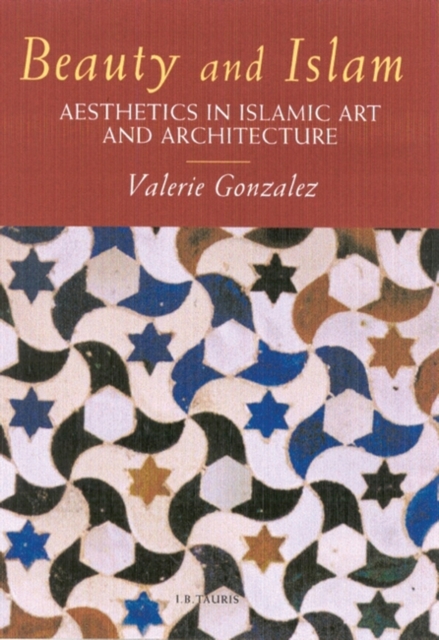
'Beauty and Islam' explores aspects of aesthetics in classical Islamic thought in the light of contemporary theories, offering new perspectives on Islamic art and architecture with examples ranging from the Qur'an and the Alhambra to the works of present day artists and philosophers.
Man hört das Wort "Neuroästhetik" und denkt, jetzt erklären uns die Hirnforscher endlich genau, was die Philosophen in ihren Ästhetikbüchern und die Kunstwissenschaftler an den Universitäten und Hochschulen lehren.
This book offers a systematic survey of ethos theory: the theory according to which the right sort of music can have a positive or negative effect on moral development.
In this wide-ranging book, renowned philosopher and cultural theorist Peter Sloterdijk examines art in all its rich and varied forms: from music to architecture, light to movement, and design to typography.
This volume of lectures on aesthetics, given by Adorno in the winter semester of 1958 9, formed the foundation for his later Aesthetic Theory, widely regarded as one of his greatest works.
The development of Ranci re s philosophical work, from his formative years through the political and methodological break with Louis Althusser and the lessons of May 68, is documented here, as are the confrontations with other thinkers, the controversies and occasional misunderstandings.
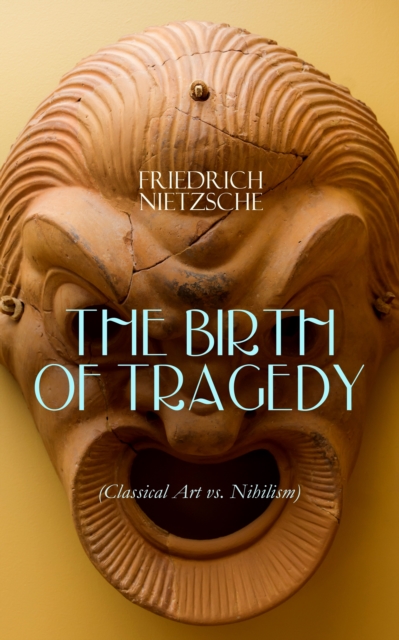
In The Birth of Tragedy, Friedrich Nietzsche advances a daring interpretation of Greek tragedy as the supreme fusion of two artistic drives: the Apollonian impulse toward form, measure, and luminous appearance, and the Dionysian impulse toward ecstasy, dissolution, and primordial suffering.
In On Beauty Susan Johnson explores the role of beauty in our lives, and in her life in particular: 'Sometimes I think my whole life has been one long search for beauty.
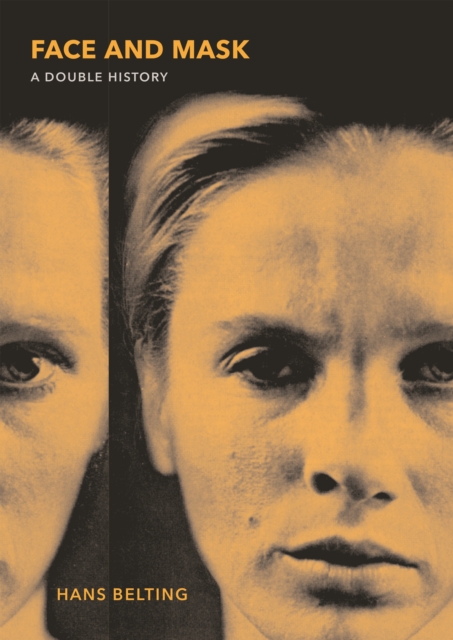
A cultural history of the face in Western art, ranging from portraiture in painting and photography to film, theater, and mass mediaThis fascinating book presents the first cultural history and anthropology of the face across centuries, continents, and media.
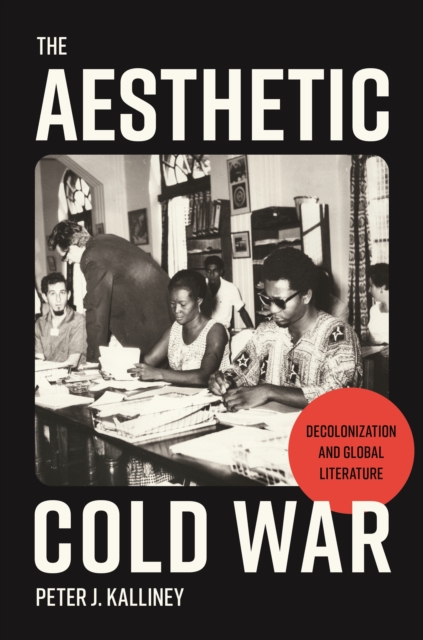
How decolonization and the cold war influenced literature from Africa, Asia, and the CaribbeanHow did superpower competition and the cold war affect writers in the decolonizing world?
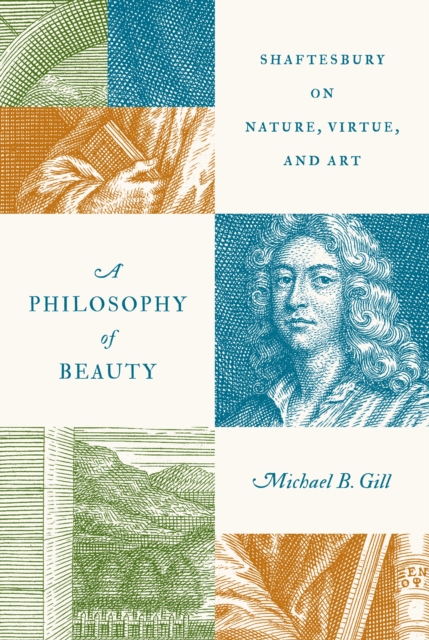
An engaging account of how Shaftesbury revolutionized Western philosophyAt the turn of the eighteenth century, Anthony Ashley Cooper, the third Earl of Shaftesbury (1671-1713), developed the first comprehensive philosophy of beauty to be written in English.
From the celebrated cultural historian and bestselling author, a provocative history of the evolution of our ideas about art since the early nineteenth centuryIn this witty, provocative, and learned book, acclaimed cultural historian and writer Jacques Barzun traces our changing attitudes to the arts over the past 150 years, suggesting that we are living in a period of cultural liquidation, nothing less than the ending of the modern age that began with the Renaissance.
A classic book by one of the twentieth century's most innovative and adventurous thinkersFirst published in 1959, From Shakespeare to Existentialism offers Walter Kaufmann's critical interpretations of some of the greatest minds in Western philosophy, religion, and literature.
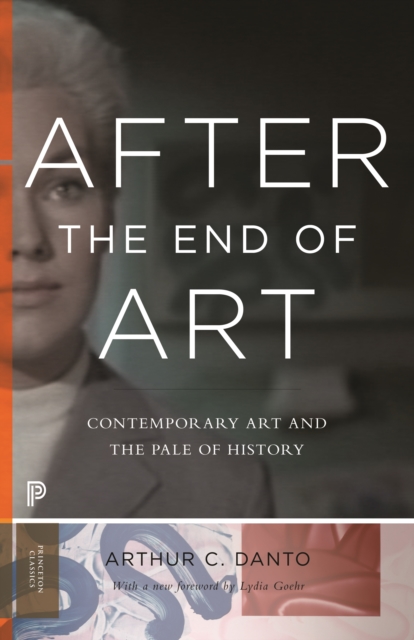
The classic and provocative account of how art changed irrevocably with pop art and why traditional aesthetics can't make sense of contemporary artA classic of art criticism and philosophy, After the End of Art continues to generate heated debate for its radical and famous assertion that art ended in the 1960s.
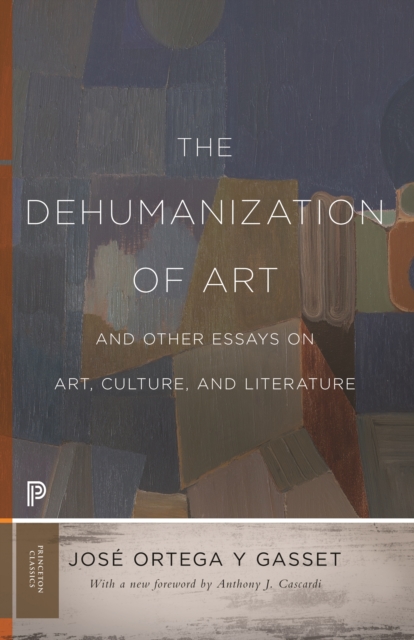
A classic work on radical aesthetics by one of the great philosophers of the early twentieth century No work of philosopher and essayist Jose Ortega y Gasset has been more frequently cited, admired, or criticized than his response to modernism, "e;The Dehumanization of Art.
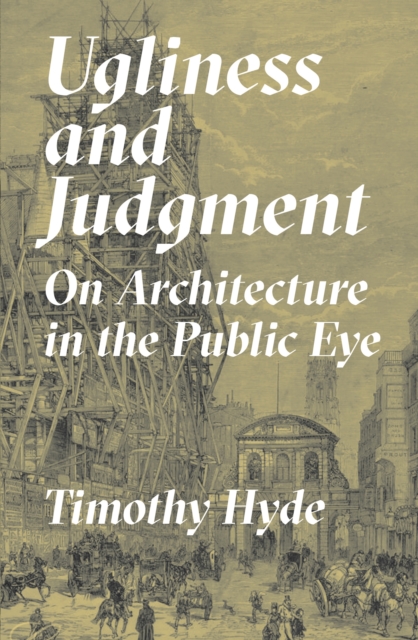
A novel interpretation of architecture, ugliness, and the social consequences of aesthetic judgmentWhen buildings are deemed ugly, what are the consequences?
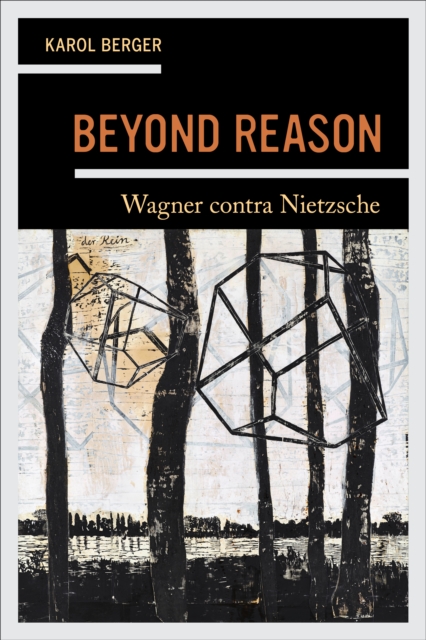
Beyond Reasonrelates Wagner's works to the philosophical and cultural ideas of his time, centering on the four music dramas he created in the second half of his career:Der Ring des Nibelungen,Tristan und Isolde,Die Meistersinger von Nurnberg, andParsifal.
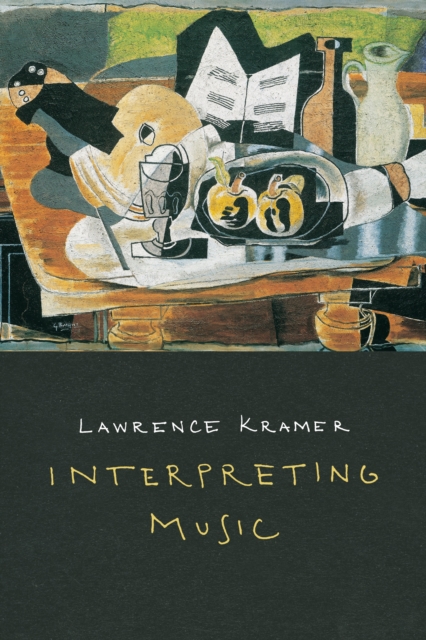
Interpreting Music is a comprehensive essay on understanding musical meaning and performing music meaningfully-"e;interpreting music"e; in both senses of the term.
Das Konzept ‚Mängelwesen‘ hat seine vielleicht bekannteste Formulierung auf dem Feld der Geisteswissenschaften durch die philosophische Reflexion von Arnold Gehlen gefunden.
How the "e;glance"e; rather than the "e;gaze"e; in nineteenth-century literature and art anticipates the turn to modernism The sweeping vantages that typify American landscape painting from the nineteenth century by Thomas Cole and other members of the Hudson River School are often interpreted for their geopolitical connotations, as visual attempts to tame the wild, alleviating fears of a savage frontier through views that subdue the landscape to the eye.
It is remarkably appropriate that this work on aesthetics should have been written by George Santayana, who is probably the most brilliant philosophic writer and the philosopher with the strongest sense of beauty since Plato.
Guiding you through the topics that shape aesthetics and the philosophy of art, this introduction explores the truth, meaning, taste, aesthetic merit and judgement, creativity and the possibility of machine art, and morality and the possibility of immoral art.
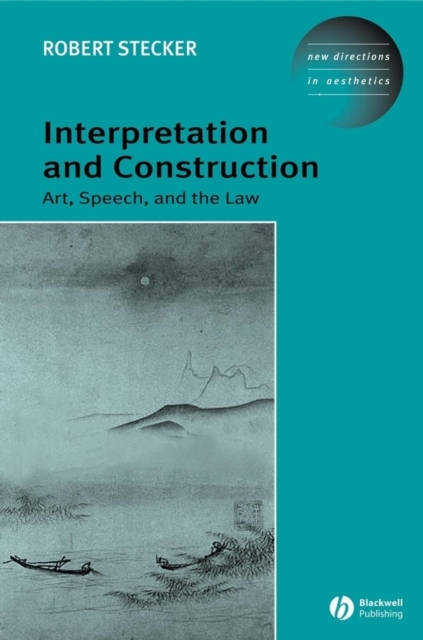
Interpretation and Construction examines the interpretation and products of intentional human behavior, focusing primarily on issues in art, law, and everyday speech.
Now, for the first time, a philosopher undertakes a systematic investigation of the moral and aesthetic issues to which cultural appropriation gives rise.
Psychoanalysis and the Image brings together an influential team of international scholars who demonstrate innovative ways to apply psychoanalytical resources in the study of international modern art and visual representation.
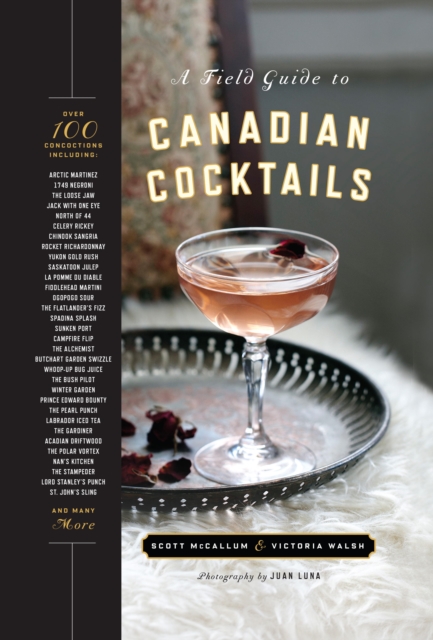
Celebrate Canadian cocktail history and artistry with A Field Guide to Canadian Cocktails, a collection of over 100 recipes inspired by a bounty of homegrown ingredients and spirits that will appeal to armchair bartenders and professionals alike.
This book addresses issues in the philosophy of art through the lenses of the three broad areas of philosophy: metaphysics, epistemology, and axiology.
In The (Magic) Kingdom of God, Michael Budde offers a multidisciplinary analysis of the "e;global culture industries"e;-increasingly powerful, centralized corporate conglomerates in television, advertising, marketing, movies, and the like-and their impact on Christian churches in industrialized countries.