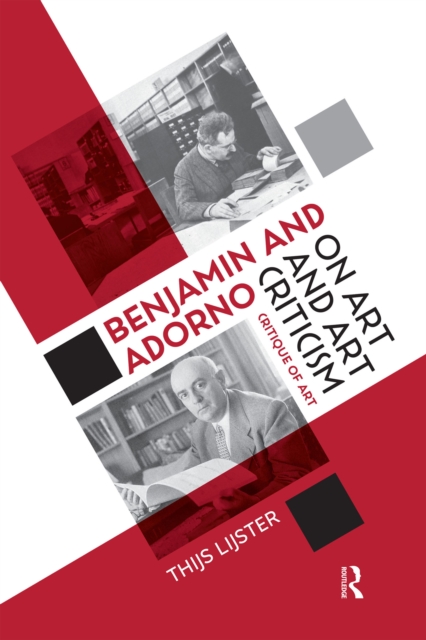
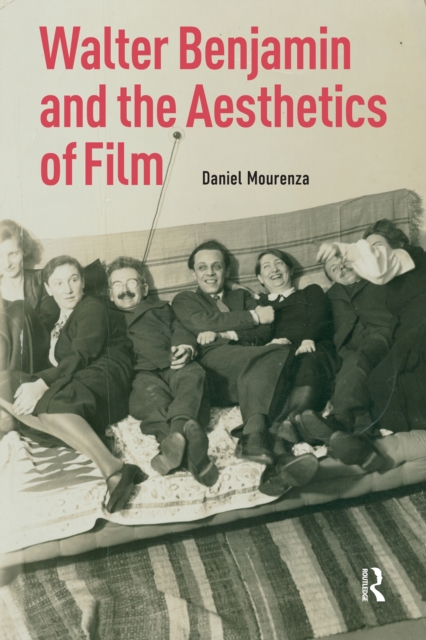
This book brings together two of the most important figures of twentieth-century criticism, Walter Benjamin and Theodor Adorno, to consider a topic that was central to their thinking: the place of and reason for art in society and culture.
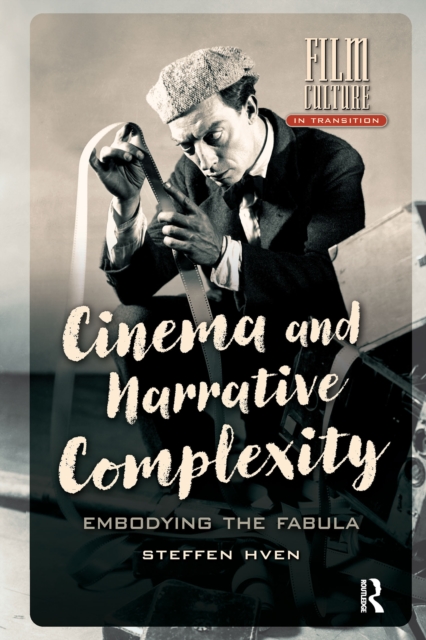
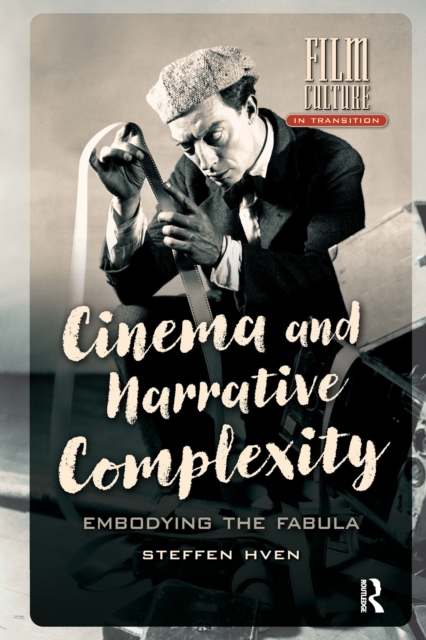
Since the mid-1990s, a number of films from international filmmakers have experimented with increasingly complicated narrative strategies-including such hits as Run, Lola, Run, 21 Grams, and Memento.
Since the mid-1990s, a number of films from international filmmakers have experimented with increasingly complicated narrative strategies-including such hits as Run, Lola, Run, 21 Grams, and Memento.
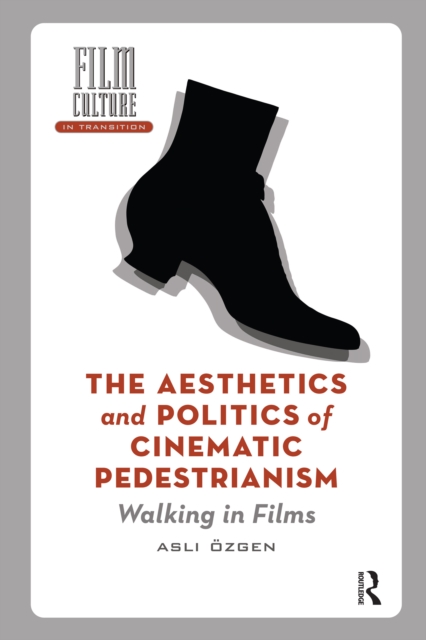
The Aesthetics and Politics of Cinematic Pedestrianism: Walking in Films offers a rich exploration of the cinematic aesthetics that filmmakers devised to reflect the corporeal and affective experience of walking in the city.
Este texto sobre la estética del objeto doméstico pretende la construcción de muchos posibles puntos de partida en la formación de criterios que permitan abordar y entender el objeto doméstico –llamado aquí también útil o producto doméstico– desde una metodología abierta y holística, resultado de una cultura material que define al ser humano en un contexto histórico, social y temporal; rastreable por medio de la técnica, la creación y el desarrollo de la producción serial, explorados aquí a lo largo de los sucesivos capítulos, para encontrar los vínculos de significación que lo hacen portador de una estética de la sensibilidad.
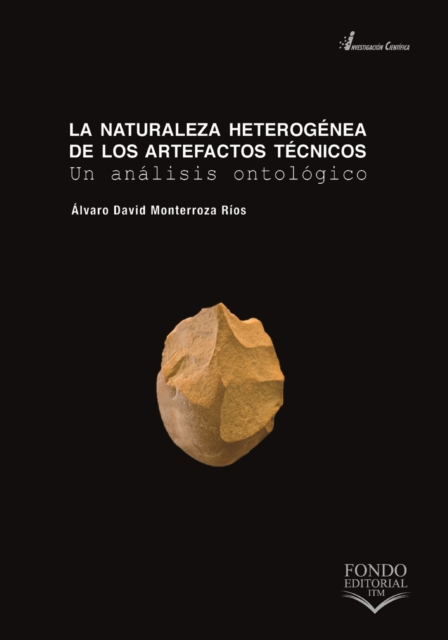
Este texto es el resultado de una investigación conceptual sobre los objetos técnicos que conforman nuestros entornos cotidianos; pretende resaltar las consideraciones filosóficas que resultan de estudiarlos bajo las preguntas: ¿qué tipo de entidades son los artefactos técnicos cotidianos?
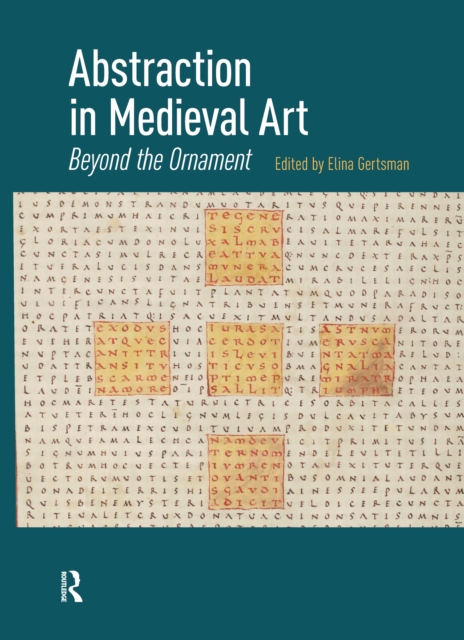
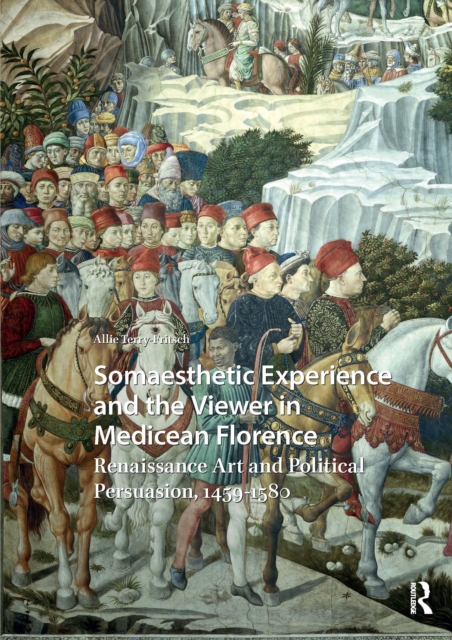
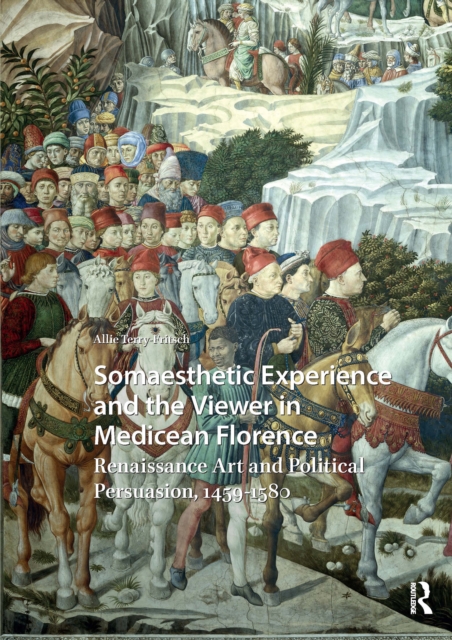
Viewers in the Middle Ages and Renaissance were encouraged to forge connections between their physical and affective states when they experienced works of art.
Viewers in the Middle Ages and Renaissance were encouraged to forge connections between their physical and affective states when they experienced works of art.
This book explores the concept of estrangement from a psychoanalytic perspective, intertwining art and aesthetics to offer a paradigm of the aesthetic experience.
This book explores the concept of estrangement from a psychoanalytic perspective, intertwining art and aesthetics to offer a paradigm of the aesthetic experience.
First published in 1985, Feeling and Reason in the Arts raises an important question-how can a central role for the arts, and in particular the arts in education, be justified?
First published in 1937, in Scepticism and Poetry the author argues that a theory of poetry is primarily a theory of the imagination; that the imagination which is present in the making of poetry is present also in all our knowledge of the world; and that its operation in poetry cannot therefore be understood if considered apart from the activity of the imagination in knowledge.
First published in 1937, in Scepticism and Poetry the author argues that a theory of poetry is primarily a theory of the imagination; that the imagination which is present in the making of poetry is present also in all our knowledge of the world; and that its operation in poetry cannot therefore be understood if considered apart from the activity of the imagination in knowledge.
First published in 1985, Feeling and Reason in the Arts raises an important question-how can a central role for the arts, and in particular the arts in education, be justified?
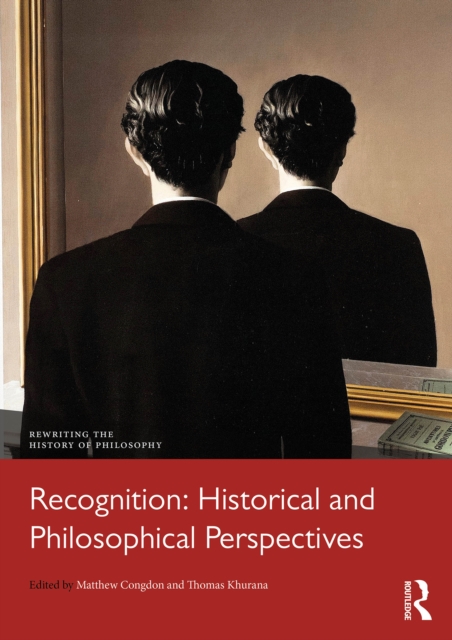
The concept of recognition has moved to the forefront of philosophical research in recent decades, particularly in political and social philosophy but also related areas, including philosophy of race and gender, philosophy of mind and language, ethics and aesthetics.
The concept of recognition has moved to the forefront of philosophical research in recent decades, particularly in political and social philosophy but also related areas, including philosophy of race and gender, philosophy of mind and language, ethics and aesthetics.
In The Blueprint of Man, author and independent researcher Harsha Khan takes readers on a groundbreaking journey through science, logic, and ancient revelation to propose a daring thesis: that humans were not accidents of nature, but the result of an intelligent, coded design.
This book addresses aesthetics from a process philosophy perspective to highlight how even the perception of fixed objects, such as painting and drawing, depends on the intertwining and layering of a range of processes.
This book addresses aesthetics from a process philosophy perspective to highlight how even the perception of fixed objects, such as painting and drawing, depends on the intertwining and layering of a range of processes.
This book explores how Hegel, who had studied Shakespeare first as a schoolboy and then continued to cite him throughout his academic career, responded to the challenges of extracting deep philosophical significance and previously unnoticed implications from this playwright's tragedies, especially Hamlet, Macbeth, Romeo and Juliet and King Lear.
This book explores how Hegel, who had studied Shakespeare first as a schoolboy and then continued to cite him throughout his academic career, responded to the challenges of extracting deep philosophical significance and previously unnoticed implications from this playwright's tragedies, especially Hamlet, Macbeth, Romeo and Juliet and King Lear.
This book aims to overcome the still prevailing schizophrenic divisions among sciences, humanities, the arts, and multiple forms of ecological knowledge.