The psychology of beauty examines how individuals understand and respond to aesthetic experience, drawing from selected conceptual elements rather than replicating detailed arguments.
Concerning the spiritual in art explores how creative expression connects to inner experience and proposes that art gains its power from its ability to communicate beyond the visible world.
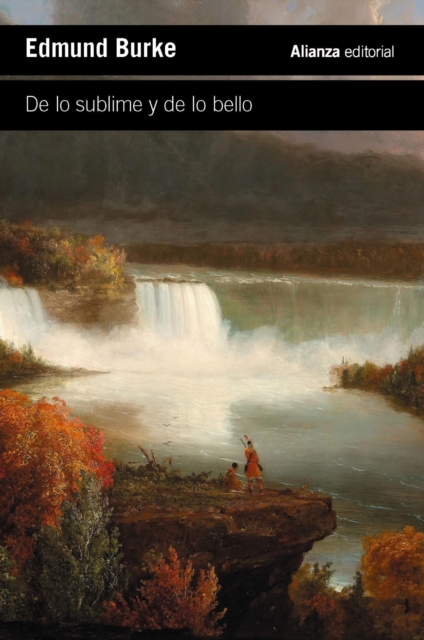
Ensayo imprescindible para conocer los inicios de la estética moderna, el tratado de Edmund Burke (1729-1797) sobre lo sublime y lo bello es digno heredero de una tradición retórica que se remonta a Longino, de la filosofía empirista anglosajona y de las teorías del gusto neoclásicas e ilustradas.
Obra fundamental para el desarrollo y la comprensión de la estética a partir de su redescubrimiento en la edad moderna, "Acerca de lo sublime" es un tratado en el que Longino analiza el concepto de lo "sublime", en el que posteriormente profundizarían Boileau, Burke, la Ilustración alemana y el Romanticismo.
During the twentieth and twenty-first centuries, Islamic mysticism, or Sufism, spread extensively throughout Western society, with Sufi teachings permeating all spheres of society.
During the twentieth and twenty-first centuries, Islamic mysticism, or Sufism, spread extensively throughout Western society, with Sufi teachings permeating all spheres of society.
La publicación en Occidente de Elogio de la sombra (1933) (uno de los ensayos de estética más sugerentes y sutiles del siglo XX, en el que Junichiro Tanizaki (1886-1965) devana con sabiduría y sutileza la importancia de este elemento en las artes y en el sentido estético de Japón, en el cual es indisoluble de la belleza) abrió un fértil campo de reflexión hasta entonces inadvertido, habiéndose convertido hoy en un clásico de referencia.
This short monograph explores the intersection of philosophy and painting, examining how major thinkers from Hegel to Merleau-Ponty developed key concepts through their engagement with specific artworks.
This short monograph explores the intersection of philosophy and painting, examining how major thinkers from Hegel to Merleau-Ponty developed key concepts through their engagement with specific artworks.
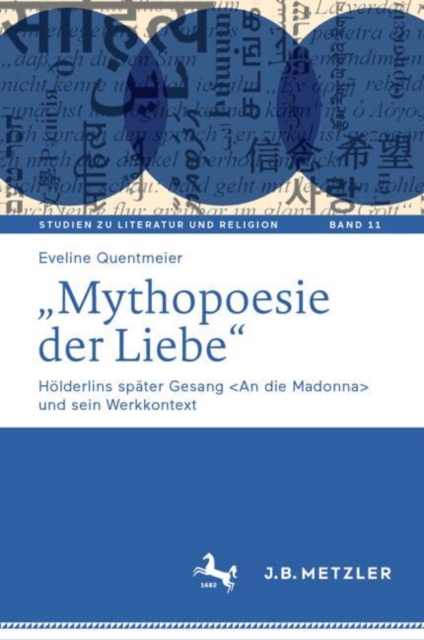
Das von der Forschung vernachlassigte und kontrovers diskutierte spate Gedicht Holderlins ist eine elegische Hymne, in der Holderlin seiner Dichtung eine poetologische Neuorientierung gibt, die dem Geist der Zeit zwischen 1800 und 1805/06 entspricht.
Das von der Forschung vernachlassigte und kontrovers diskutierte spate Gedicht Holderlins ist eine elegische Hymne, in der Holderlin seiner Dichtung eine poetologische Neuorientierung gibt, die dem Geist der Zeit zwischen 1800 und 1805/06 entspricht.
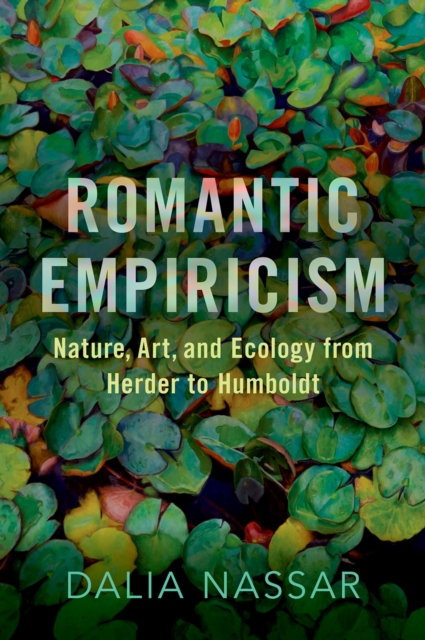
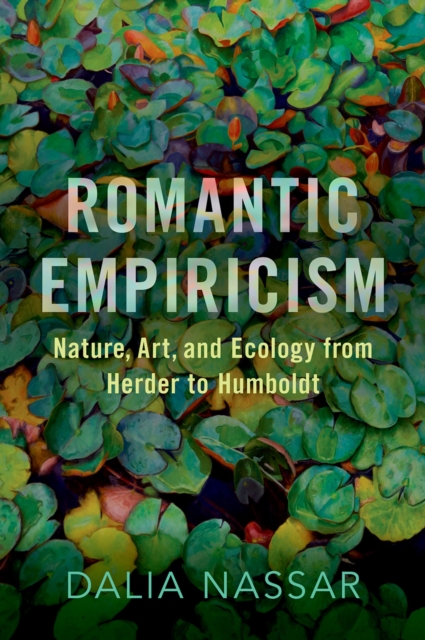
In Romantic Empiricism, Dalia Nassar distinguishes and explores an understudied philosophical tradition that emerged in Germany in the late eighteenth and early nineteenth centuries, traces its development, and argues for its continued significance.
In Romantic Empiricism, Dalia Nassar distinguishes and explores an understudied philosophical tradition that emerged in Germany in the late eighteenth and early nineteenth centuries, traces its development, and argues for its continued significance.
In this book, Zarko Paic offers a radical rethinking of aesthetics, ontology, and the technosphere in the age of digital transformation and posthumanism.
In this book, Zarko Paic offers a radical rethinking of aesthetics, ontology, and the technosphere in the age of digital transformation and posthumanism.
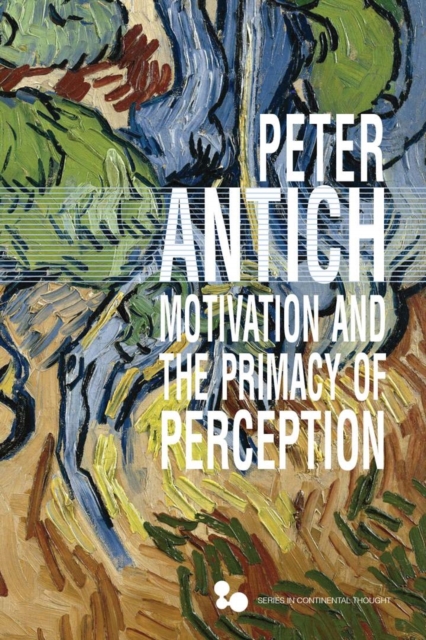
Merleau-Ponty's phenomenological notion of motivation advances a compelling alternative to the empiricist and rationalist assumptions that underpin modern epistemology.
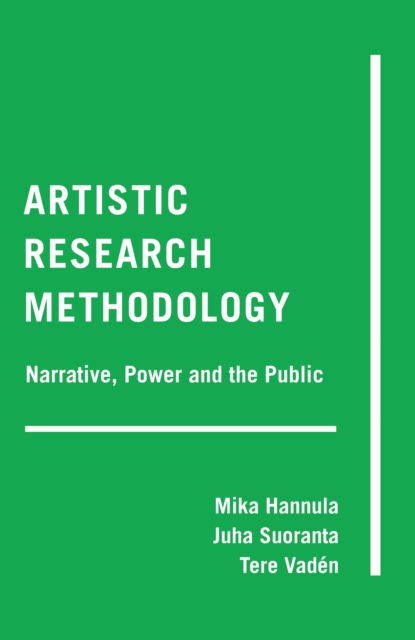
Artistic Research Methodology argues for artistic research as a context-aware and historical process that works inside-in, beginning and ending with acts committed within an artistic practice.
Examining our relationships with architecture beyond human-centric perspectives, Xenoaesthetics challenges conventional views of design and space inhabitation by exploring the architectural project as an autonomous entity.
Examining our relationships with architecture beyond human-centric perspectives, Xenoaesthetics challenges conventional views of design and space inhabitation by exploring the architectural project as an autonomous entity.
Merleau-Ponty's phenomenological notion of motivation advances a compelling alternative to the empiricist and rationalist assumptions that underpin modern epistemology.
Artistic Research Methodology argues for artistic research as a context-aware and historical process that works inside-in, beginning and ending with acts committed within an artistic practice.
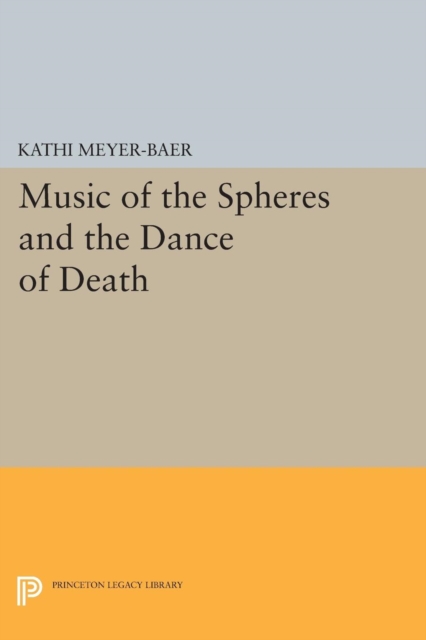
The roots and evolution of two concepts usually thought to be Western in origin-musica mundana (the music of the spheres) and musica humana (music's relation to the human soul)-are explored.
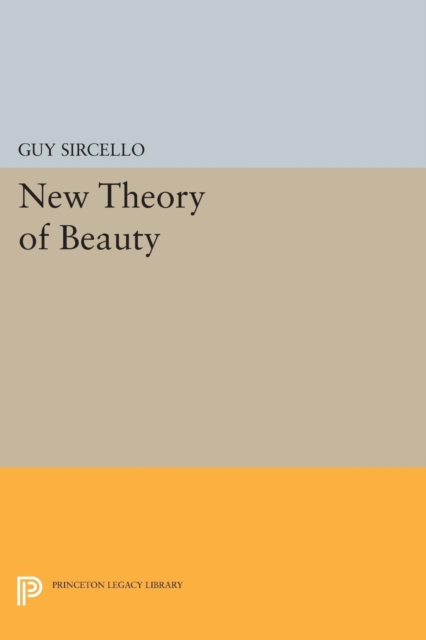
Ever since the eighteenth century, when Kant opened the floodgates of subjectivism in aesthetics, common men and philosophers alike have despaired of finding a basis for judgments about beauty.
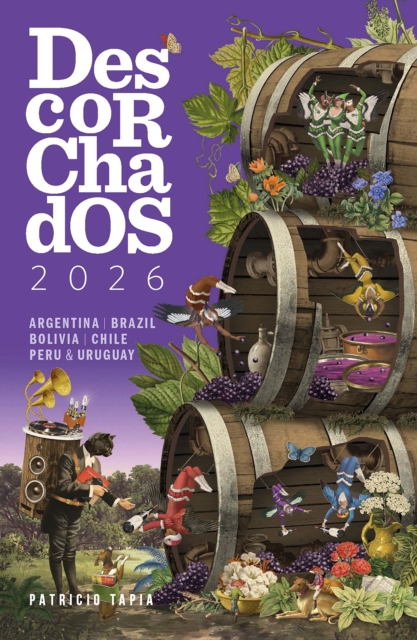
A candid look at the methodology behind Descorchados: since 1998, blind tasting has been central to separating genuine quality from the charm of the moment.
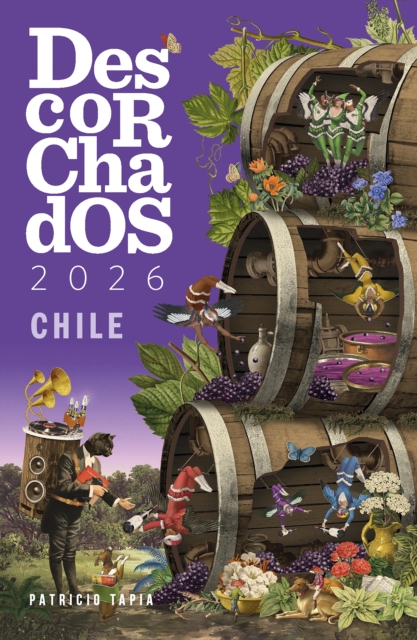
Descorchados es una guia de vinos, pero tambien nos gusta pensar que es un viaje que nos lleva cada ano - desde 1999- por el vino chileno de norte a sur; desde las laderas de Los Andes hasta las costas del Pacifico.
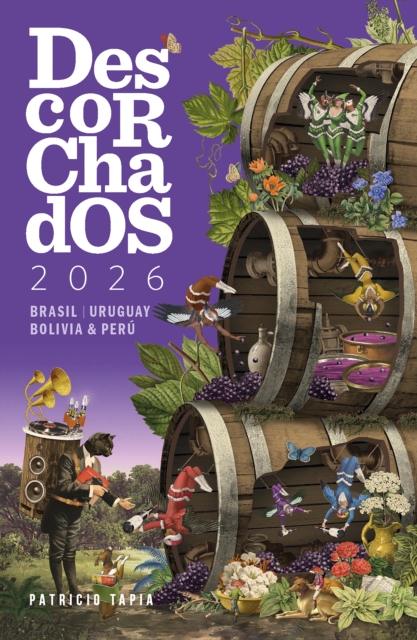
Una mirada a las fronteras menos exploradas del vino sudamericano: los climas tropicales de Brasil, la consolidacion de Bolivia, el albarino que encontro su hogar en Uruguay, y los nuevos proyectos que emergen en Peru.
Descorchados Argentina 2026 nos lleva este ano a un doble descubrimiento: Cordoba, con sus paisajes y vinos tan distintos a los desiertos del norte y de Mendoza, y una nueva mirada sobre los clasicos.
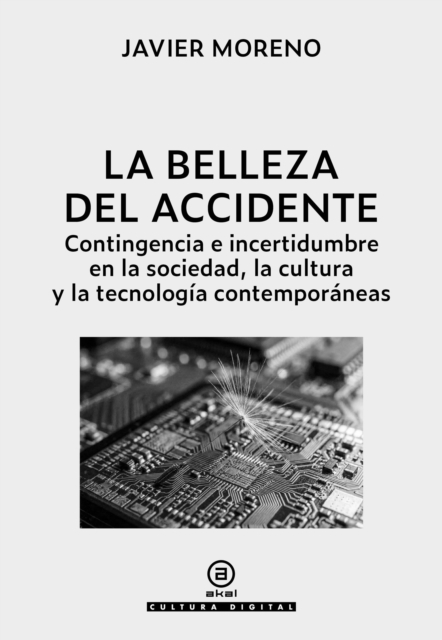
Nuestra contemporaneidad (modelada por la técnica) se esfuerza denodadamente por estorbar la comparecencia del acaso en sus múltiples formas, la del azar, la de la ambigüedad o la del error; un intento inevitablemente condenado al fracaso.
First published in 1957, reissuing the second edition of 1966 here, British Philosophy in the Mid-Century provides an authoritative review of some of the outstanding developments in British philosophy at the time.
First published in 1957, reissuing the second edition of 1966 here, British Philosophy in the Mid-Century provides an authoritative review of some of the outstanding developments in British philosophy at the time.