The essays in Invisibility in Visual and Material Culture contribute pioneering and revelatory insights into the phenomenon of invisibility, forging new and multi-disciplinary approaches at the intersection of aesthetics, technology, representation and politics.
Arguing that we ought to look to psychedelic aesthetics of the 1960s in relation to current crises in liberal democracy, this book emphasizes the intersection of European thought and the psychedelic.
This book builds on the works of Artaud and Deleuze, setting forth a different way of thinking on the body through the use of a whole new set of conceptual tools.
The classic and provocative account of how art changed irrevocably with pop art and why traditional aesthetics can't make sense of contemporary artA classic of art criticism and philosophy, After the End of Art continues to generate heated debate for its radical and famous assertion that art ended in the 1960s.
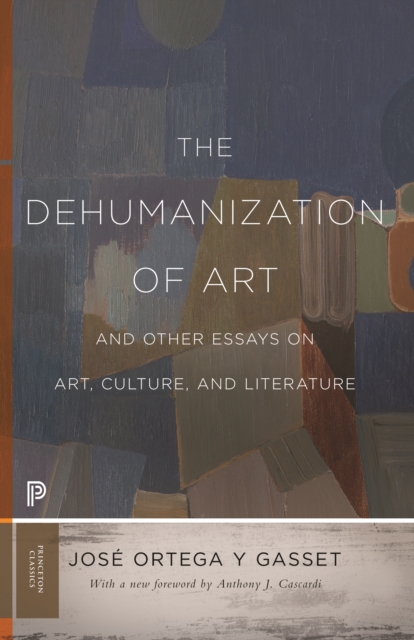
A classic work on radical aesthetics by one of the great philosophers of the early twentieth century No work of philosopher and essayist Jose Ortega y Gasset has been more frequently cited, admired, or criticized than his response to modernism, "e;The Dehumanization of Art.
Since the time of the ancient Greeks, philosophers have pondered the nature and purpose of the arts, but artists have gone on making them and audiences enjoying them regardless of these musings.
The Operation of Grace collects a decade's worth of essays by Gregory Wolfe taken from the pages of Image, the literary journal he founded more than a quarter century ago.
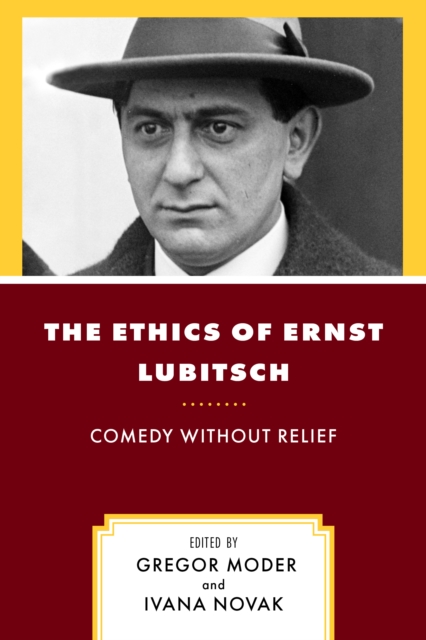
Against the idea that comedy offers us a relief from the horrors of the real world, the German-Jewish-American filmmaker Ernst Lubitsch defended his masterpiece To Be or Not to Be, a comedy from 1942 about the concurrent Nazi occupation of Poland, with the claim that he had made up his mind "e;to make a picture with no attempt to relieve anybody from anything at any time.
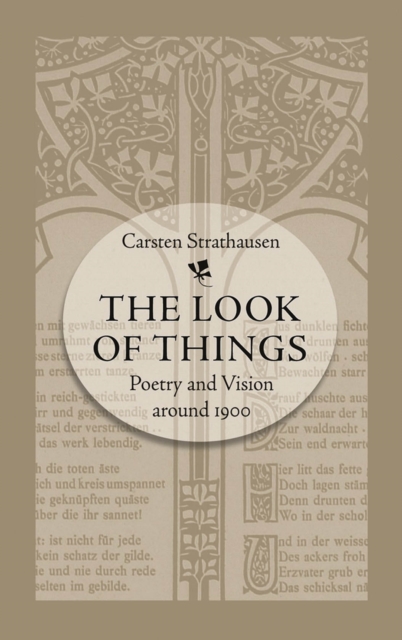
Examining the relationship between German poetry, philosophy, and visual media around 1900, Carsten Strathausen argues that the poetic works of Rainer Maria Rilke, Hugo von Hofmannsthal, and Stephan George focused on the visible gestalt of language as a means of competing aesthetically with the increasing popularity and "reality effect" of photography and film.
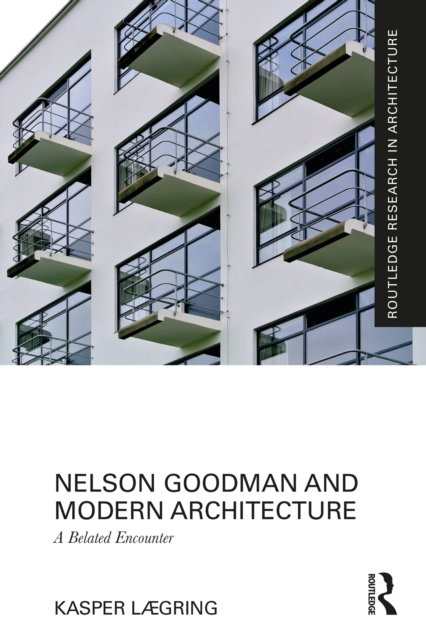
This book orchestrates a convergence of two discourses from the 1960s-Nelson Goodman's aesthetic theory on one side and critiques of modern architecture articulated by figures like Peter Blake, Charles Jencks, and Robert Venturi/Denise Scott Brown on the other.
In The Ascetic Ideal, Stephen Mulhall shows how areas of cultural life that seem to be either essentially unconnected to evaluative commitments (science and philosophy) or to involve non-moral values (aesthetics) are in fact deeply informed by ethico-religious commitments, for better and for worse.
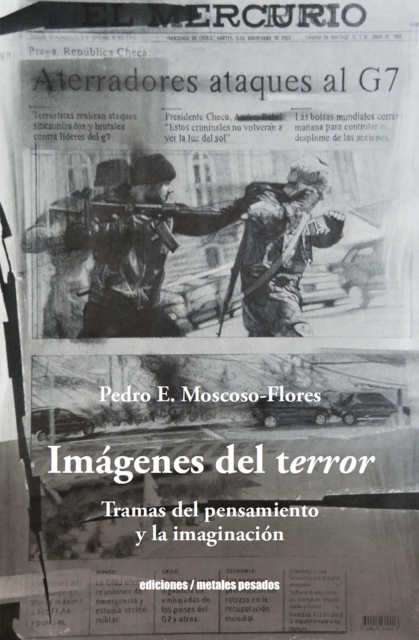
"A partir de una crítica al «sentido común» de las imágenes como representaciónde la realidad, Imágenes del terror propone un estatuto contraintituivo que lesdevuelve su propiedad procesual, generativa y transformadora; unaproblematización que aprovecha el rendimiento de la ambigüedad entre terror yerror, es decir el impacto por la fricción de lo errático.
Diese Arbeit zeigt, dass die Dualität des mathematischen und dynamischen Erhabenen bei Kant auch dem Zweck der dritten Kritik dient, die Kluft zwischen den Gebieten der Natur und der Freiheit zu schließen.
Anders als hinlänglich aus der Rezeption der Kunstphilosophievorlesungen Hegels bekannt weist Carolyn Iselt in ihrer Studie zur Kunst-Religion in der »Phänomenologie des Geistes« nach, dass dem menschlichen Individuum in der Kunst auch für Hegel nicht nur Bedeutung in idealisierter Form als Götterskulptur oder als tragischem Helden zukommt.
A provocative new look at concepts of the present, their connection to ideas about time, and their effect on literature, art, and cultureThe problem of the present-what it is and what it means-is one that has vexed generations of thinkers and artists.
Presenting different ways to imagine criticism without critique, this collection provides a survey of both the difficult times facing ideological critique and the ways in which literary criticism and aesthetics have been affected by changing attitudes toward critique.
Guiding you through the topics that shape aesthetics and the philosophy of art, this introduction explores the truth, meaning, taste, aesthetic merit and judgement, creativity and the possibility of machine art, and morality and the possibility of immoral art.
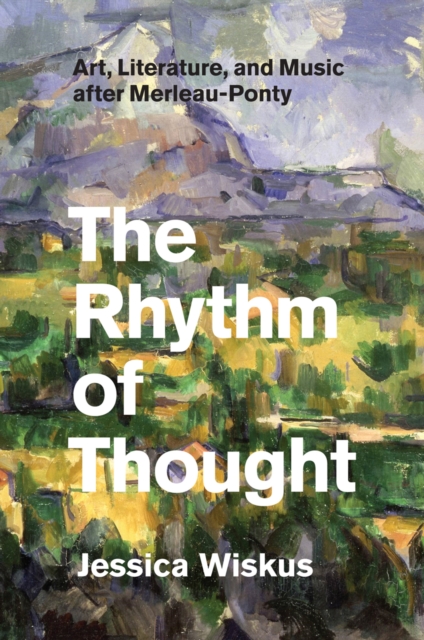
Between present and past, visible and invisible, and sensation and idea, there is resonance-so philosopher Maurice Merleau-Ponty argued and so Jessica Wiskus explores in The Rhythm of Thought.
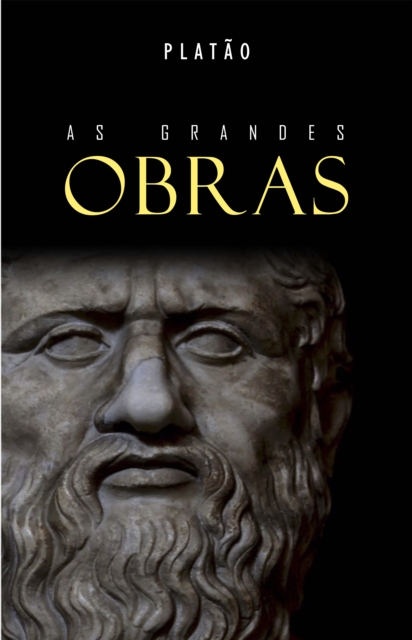
Este livro contém 23 das principais obras de Platão:- Êutifron- Apologia de Sócrates- Críton- Fédon- Crátilo- Teeteto- O Sofista- O Político- Parmênides- Filebo- O Banquete- Fedro- Alcibíades- Laques- Eutidemo- Protágoras- Górgias- Mênon- Hípias menor- Hípias maior- A República- Timeu- Crítias
This book outlines how the protagonists in The Nibelung's Ring, The Lord of the Rings, and Game of Thrones attempt to construct identities and expand their consciousness manifestations.
This book, The Kyoto Post-COVID Manifesto for Global Economics (KM-PC), is a sequel to our 2018 book, The Kyoto Manifesto for Global Economics (KM-I, 2018).
This book examines aesthetic issues based on humanities principles and creates a theory of Chinese aesthetics from a global perspective by applying China's traditional and cultural history to a Western theoretical framework.