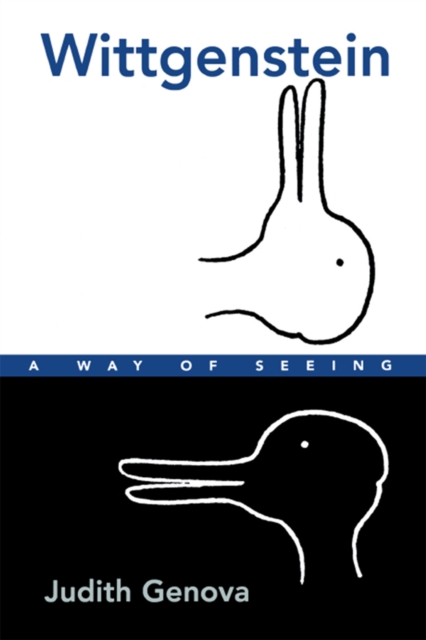
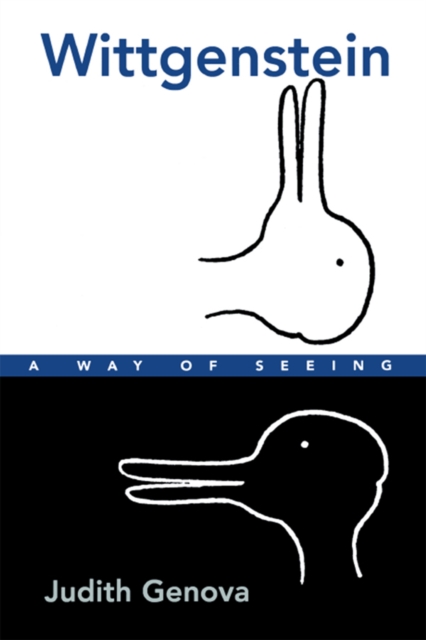
In Wittgenstein's Way of Seeing, Judith Genova provides a an illuminating introduction to two surprisingly neglected aspects of his work: his conception of philosophy and his search for a style to embody his revolutionary practice.
In Wittgenstein's Way of Seeing, Judith Genova provides a an illuminating introduction to two surprisingly neglected aspects of his work: his conception of philosophy and his search for a style to embody his revolutionary practice.
Bogue provides a systematic overview and introduction to Deleuze's writings on music and painting, and an assessment of their position within his aesthetics as a whole.
Bogue provides a systematic overview and introduction to Deleuze's writings on music and painting, and an assessment of their position within his aesthetics as a whole.
Shadow Philosophy: Plato's Cave and Cinema is an accessible and exciting new contribution to film-philosophy, which shows that to take film seriously is also to engage with the fundamental questions of philosophy.
Shadow Philosophy: Plato's Cave and Cinema is an accessible and exciting new contribution to film-philosophy, which shows that to take film seriously is also to engage with the fundamental questions of philosophy.
Film, Philosophy, and Reality: Ancient Greece to Godard is an original contribution to film-philosophy that shows how thinking about movies can lead us into a richer appreciation and understanding of both reality and the nature of human experience.
Film, Philosophy, and Reality: Ancient Greece to Godard is an original contribution to film-philosophy that shows how thinking about movies can lead us into a richer appreciation and understanding of both reality and the nature of human experience.
A beautifully illustrated visual and cultural history of the color blue throughout the agesBlue has had a long and topsy-turvy history in the Western world.
In The Threshold of the Visible World Kaja Silverman advances a revolutionary new political aesthetic, exploring the possibilities for looking beyond the restrictive mandates of the self, and the normative aspects of the cultural image-repertoire.
In The Threshold of the Visible World Kaja Silverman advances a revolutionary new political aesthetic, exploring the possibilities for looking beyond the restrictive mandates of the self, and the normative aspects of the cultural image-repertoire.
This book investigates the notion of beauty in participatory art, an interdisciplinary form that necessitates the audience's agential participation and that is often seen in interactive art and technology-driven media installations.
This book investigates the notion of beauty in participatory art, an interdisciplinary form that necessitates the audience's agential participation and that is often seen in interactive art and technology-driven media installations.
On Being in the World, first published in 1990, illumines a neglected but important area of Wittgenstein's philosophy, revealing its pertinence to the central concerns of contemporary analytic philosophy.
On Being in the World, first published in 1990, illumines a neglected but important area of Wittgenstein's philosophy, revealing its pertinence to the central concerns of contemporary analytic philosophy.
With its demand that works of art be judged according to the their morally didactic content, Tolstoy's reviled aesthetics has seemed to exclude from the canon far too many works widely accepted as masterpieces, including Shakespeare and Beethoven.
With its demand that works of art be judged according to the their morally didactic content, Tolstoy's reviled aesthetics has seemed to exclude from the canon far too many works widely accepted as masterpieces, including Shakespeare and Beethoven.
This volume contains two concise works by the innovative twentieth-century literary critic Janko Lavrin, offering accessible and thoughtful introductions to the two greatest Russian novelists.
This volume contains two concise works by the innovative twentieth-century literary critic Janko Lavrin, offering accessible and thoughtful introductions to the two greatest Russian novelists.
The Ugliness of Moses Mendelssohn examines the idea of ugliness through four angles: philosophical aesthetics, early anthropology, physiognomy and portraiture in the eighteenth-century.
The Ugliness of Moses Mendelssohn examines the idea of ugliness through four angles: philosophical aesthetics, early anthropology, physiognomy and portraiture in the eighteenth-century.
In Philosophy of Song and Singing: An Introduction, Jeanette Bicknell explores key aesthetic, ethical, and other philosophical questions that have not yet been thoroughly researched by philosophers, musicologists, or scientists.
In Philosophy of Song and Singing: An Introduction, Jeanette Bicknell explores key aesthetic, ethical, and other philosophical questions that have not yet been thoroughly researched by philosophers, musicologists, or scientists.
Despite philosophers' growing interest in the relation between philosophy and literature in general, over the last few decades comparatively few studies have been published dealing more narrowly with the literary aspects of philosophical texts.
Despite philosophers' growing interest in the relation between philosophy and literature in general, over the last few decades comparatively few studies have been published dealing more narrowly with the literary aspects of philosophical texts.