Renaissance Theory presents an animated conversation among art historians about the optimal ways of conceptualizing Renaissance art, and the links between Renaissance art and contemporary art and theory.
Renaissance Theory presents an animated conversation among art historians about the optimal ways of conceptualizing Renaissance art, and the links between Renaissance art and contemporary art and theory.
Walter Benjamin, Religion, and Aesthetics is an innovative and creative attempt to unsettle and reconceive the key concepts of religious studies through a reading with, and against, Walter Benjamin.
Walter Benjamin, Religion, and Aesthetics is an innovative and creative attempt to unsettle and reconceive the key concepts of religious studies through a reading with, and against, Walter Benjamin.
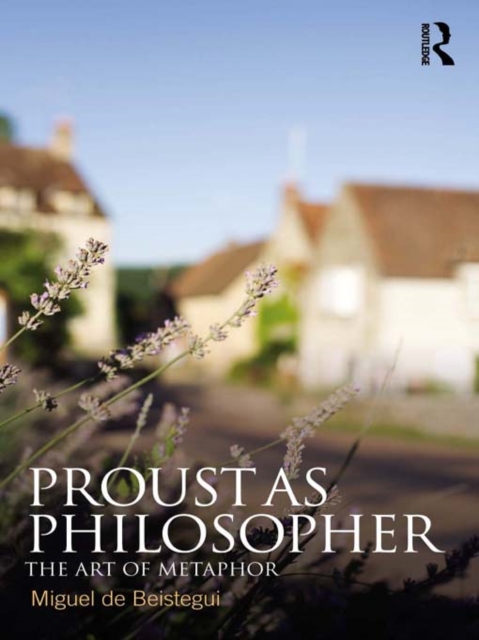
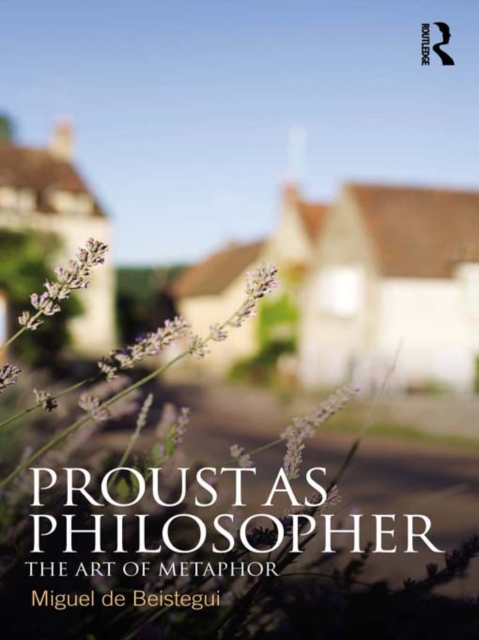
Marcel Proust's In Search of Lost Time has long fascinated philosophers for its complex accounts of time, personal identity and narrative, amongst many other themes.
Marcel Proust's In Search of Lost Time has long fascinated philosophers for its complex accounts of time, personal identity and narrative, amongst many other themes.
This book examines the role of aesthetic experience in learning science and in science education from the perspective of knowledge as action and language use.
This book examines the role of aesthetic experience in learning science and in science education from the perspective of knowledge as action and language use.
In this unprecedented collection, over twenty of the world's most prominent thinkers on the subject including Arthur Danto, Stephen Melville, Wendy Steiner, Alexander Nehamas, and Jay Bernstein ponder the disconnect between these two disciplines.
In this unprecedented collection, over twenty of the world's most prominent thinkers on the subject including Arthur Danto, Stephen Melville, Wendy Steiner, Alexander Nehamas, and Jay Bernstein ponder the disconnect between these two disciplines.
This book examines the relationship between nihilism and postmodernism in relation to the sublime, and is divided into three parts: history, theory, and praxis.
This book examines the relationship between nihilism and postmodernism in relation to the sublime, and is divided into three parts: history, theory, and praxis.
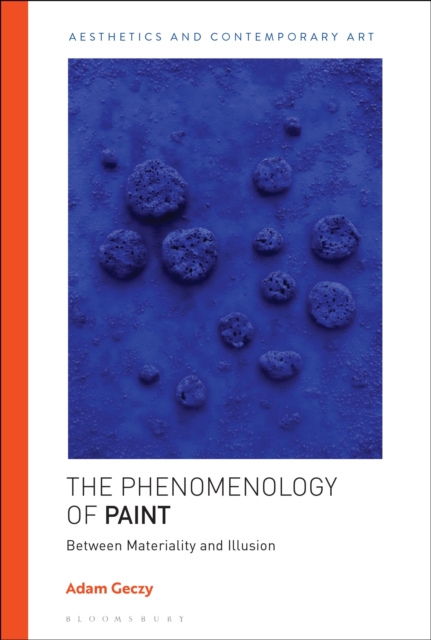
Analyzing the different modes of appearance and application of the most ubiquitous medium in art and ritual, this book examines the aesthetics, anthropology, ethnography and history of paint.
Sublimity addresses the nature of the sublime experience itself, and the function that experience has played, and continues to play, within aesthetic discourse.
Sublimity addresses the nature of the sublime experience itself, and the function that experience has played, and continues to play, within aesthetic discourse.