A timely and long-overdue work that in one convenient volume collects and analyzes the Edgar Cayce readings related to the cosmos, both in the light of modern astronomical and cosmological knowledge and the most recent discoveries in these fascinating fields.
There is perhaps no modern psychic more fascinating than Edgar Cayce, and no better authors to explore the intricate details and eye-opening stories of the people who received his readings than Sidney and Nancy Kirkpatrick.
Two Edgar Cayce experts with decades of experience studying and teaching the philosophies of his psychic readings bring his timeless wisdom into the 21st century.
In Emptiness, the fifth volume in The Foundation of Buddhist Thought series, Geshe Tashi Tsering provides readers with an incredibly welcoming presentation of the central philosophical teaching of Mahayana Buddhism.
Using the traditional Buddhist allegorical image of the Wheel of Life and the teaching of the twelve links of dependent origination, the Dalai Lama deftly illustrates how our existence, though fleeting and often full of woes, brims with the potential for peace and happiness.
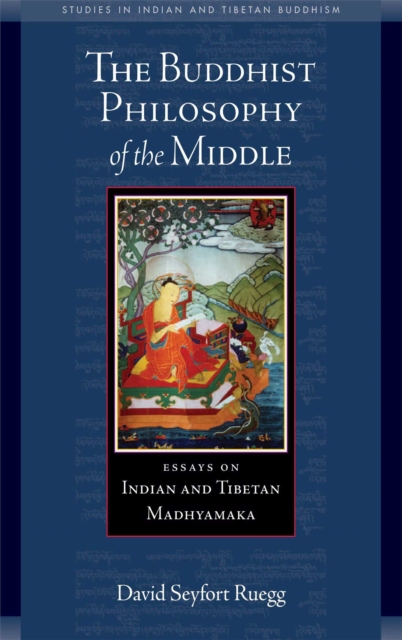
Madhyamaka, the "e;philosophy of the middle,"e; systematized the Buddha's fundamental teaching on no-self with its profound non-essentialist reading of reality.
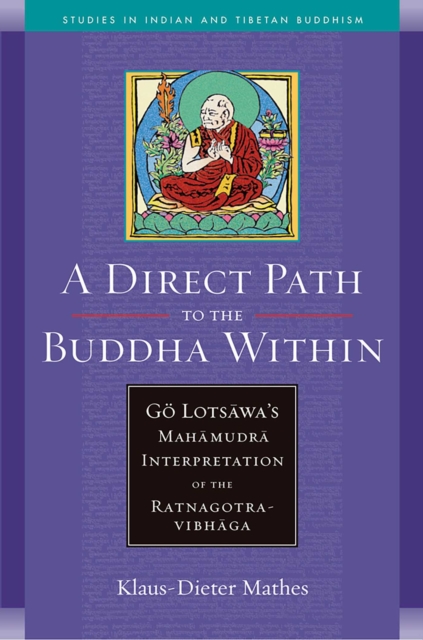
Maitreya's Ratnagotravibhaga, also known as the Uttaratantra, is the main Indian treatise on buddha nature, a concept that is heavily debated in Tibetan Buddhist philosophy.
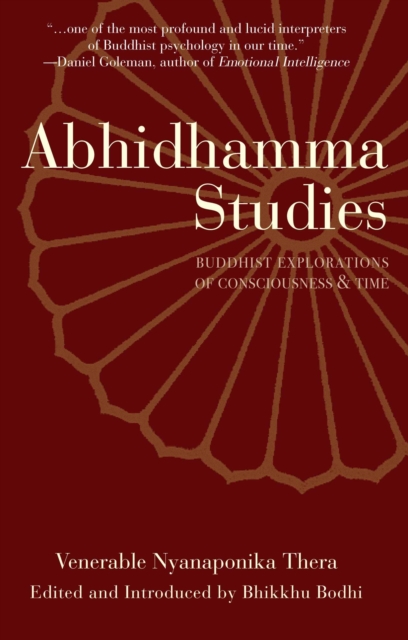
The Abhidhamma, the third great division of early Buddhist teaching, expounds a revolutionary system of philosophical psychology rooted in the twin Buddhist insights of selflessness and dependent origination.
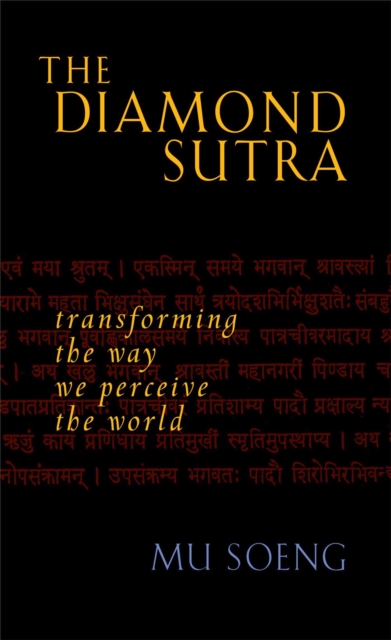
In this brilliant new translation and commentary on The Diamond Sutraone of the sublime wisdom teachings of Mahayana BuddhismMu Soeng integrates this ancient wisdom teaching with current scientific and psychological thought.
Tsongkhapa (1357-1419), the author of The Great Treatise on the Stages of the Path to Enlightenment and the teacher of the First Dalai Lama, is renowned as one of the greatest scholar-saints that Tibet has ever produced.
For centuries, Dzogchen - a special meditative practice to achieve spontaneous enlightenment - has been misinterpreted by both critics and malinformed meditators as being purely mystical and anti-rational.
This 2nd edition Handbook of Spinoza retains a unique focus on the biographical details of Spinoza's life, as well as essential scholarship on his influences and early critics.
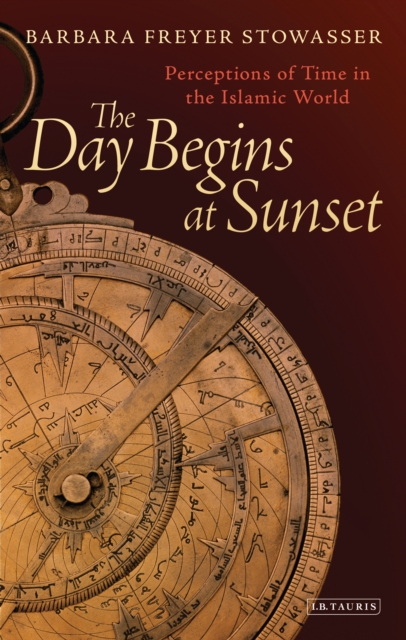
The fullest account ever written of the fascinating nexus between Islam and Time, this is a major contribution to the wider history of ideas and religion.
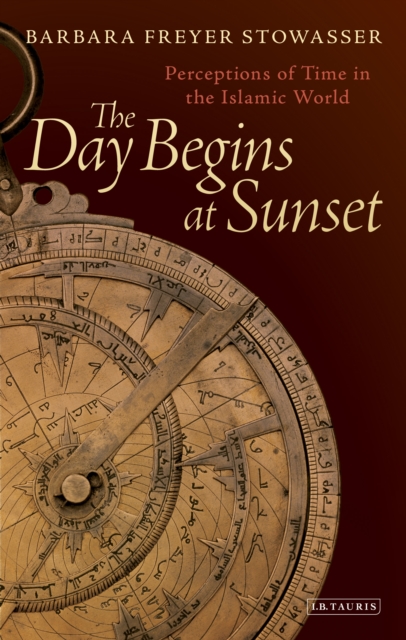
The fullest account ever written of the fascinating nexus between Islam and Time, this is a major contribution to the wider history of ideas and religion.
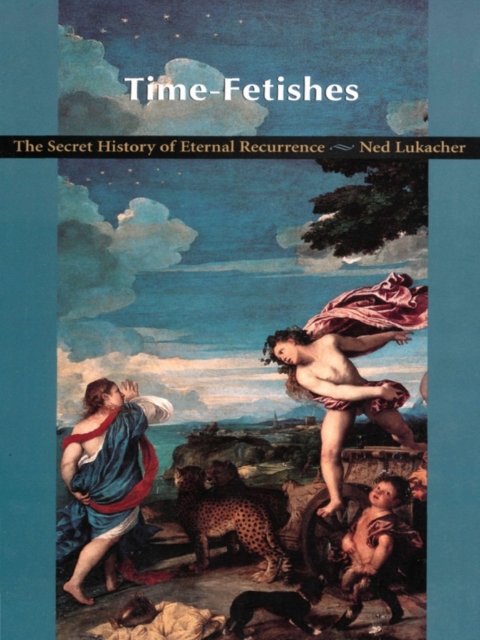
For over two and a half millennia human beings have attempted to invent strategies to "e;discover"e; the truth of time, to determine whether time is infinite, whether eternity is the infinite duration of a continuous present, or whether it too rises and falls with the cycles of universal creation and destruction.
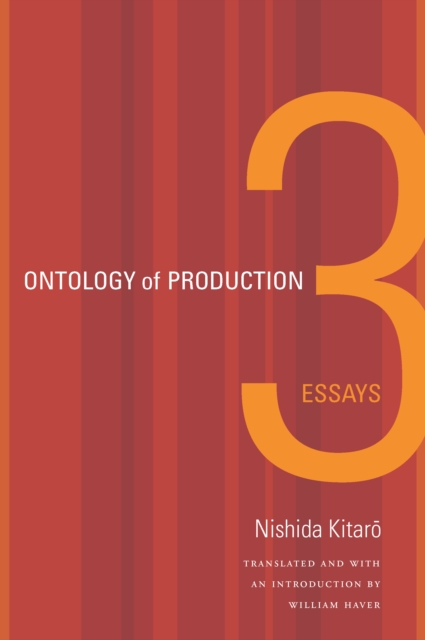
Ontology of Production presents three essays by the influential Japanese philosopher Nishida Kitaro (1870-1945), translated for the first time into English by William Haver.
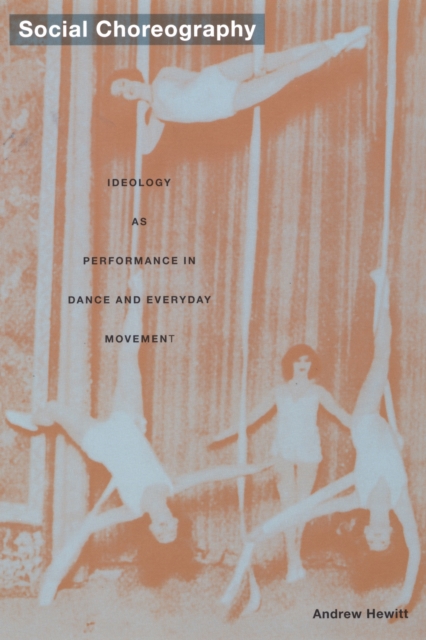
Through the concept of "e;social choreography"e; Andrew Hewitt demonstrates how choreography has served not only as metaphor for modernity but also as a structuring blueprint for thinking about and shaping modern social organization.
In The X-Files and Philosophy, thirty-six fearless philosophers seek for the truth which is out there, in here, at least somewhere, or (as the postmodernists claim) nowhere.
John Searles The Construction of Social Reality and Hernando de Sotos The Mystery of Capitalshifted the focus of current thought on capital and economic development to the cultural and conceptual ideas that underpin market economies and that are taken for granted in developed nations.
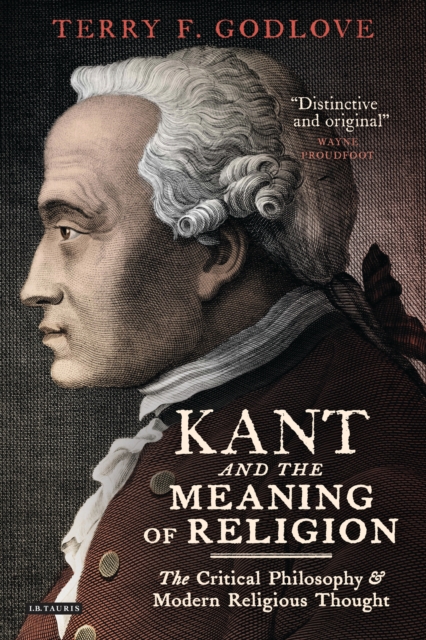
The Revolutionary Kant offers a new appreciation of Kants classic, arguing that Kant's reform of philosophy was far more radical than has been previously understood.
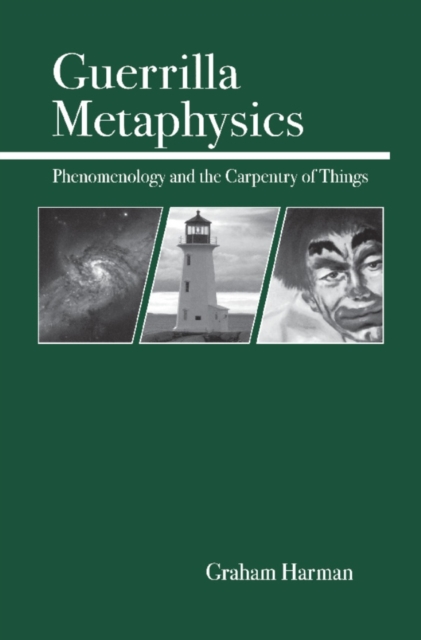
Tool-Being offers a new assessment of Martin Heidegger's famous tool-analysis, and with it, an audacious reappraisal of Heidegger's legacy to twenty-first-century philosophy.
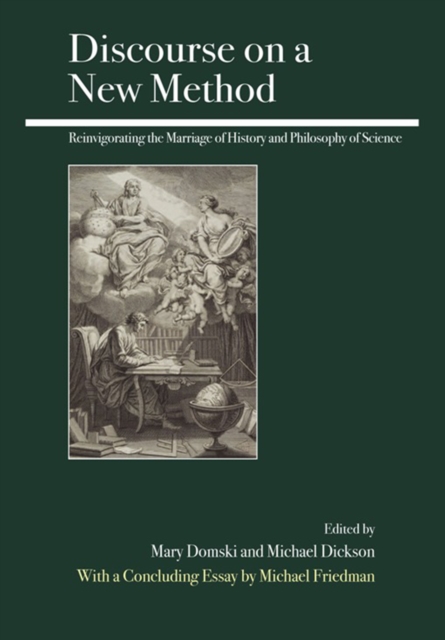
Addressing a wide range of topics, from Newton to Post-Kuhnian philosophy of science, these essays critically examine themes that have been central to the influential work of philosopher Michael Friedman.
Collapsing buildings, unexpected meetings in the marketplace, monstrous births, encounters with pirates at sea-these and other unforeseen "e;accidents"e; at the turn of the seventeenth century in England acquired unprecedented significance in the early modern philosophical and cultural imagination.
Shows how the revelations emerging from quantum physics can wake us up from the disempowering spell of the scientific materialist worldview and help dispel the collective madness that has befallen our species Explains for readers with no physics background why quantum physics is, in the words of Albert Einstein, so uncommonly important that it should be everyones concern Shows how quantum physics can help us awaken to the malleable, dreamlike nature of reality, a realization that unlocks the creative spirit within usExplaining the world-transforming effects of quantum physics, Paul Levy shows how discoveries in this fieldwidely considered the greatest in the history of sciencecan wake us up from the disempowering spell of the reductionist, materialist worldview, thereby helping to dispel the collective madness that has befallen our species.