The theory of relativity convinced many philosophers that space and time are fundamentally alike, and that they are mere aspects of a more fundamental space-time.
Robert Pasnau traces the developments of metaphysical thinking through four rich but for the most part neglected centuries of philosophy, running from the thirteenth century through to the seventeenth.
Many significant problems in metaphysics are tied to ontological questions, but ontology and its relation to larger questions in metaphysics give rise to a series of puzzles that suggest that we don't fully understand what ontology is supposed to do, nor what ambitions metaphysics can have for finding out about what reality is like.
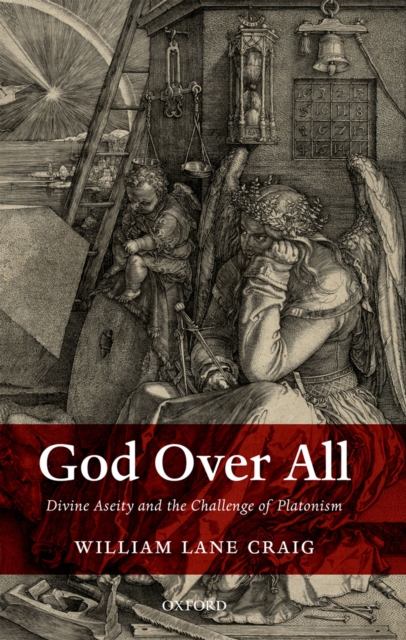
God Over All: Divine Aseity and the Challenge of Platonism is a defense of God's aseity and unique status as the Creator of all things apart from Himself in the face of the challenge posed by mathematical Platonism.
God Over All: Divine Aseity and the Challenge of Platonism is a defense of God's aseity and unique status as the Creator of all things apart from Himself in the face of the challenge posed by mathematical Platonism.
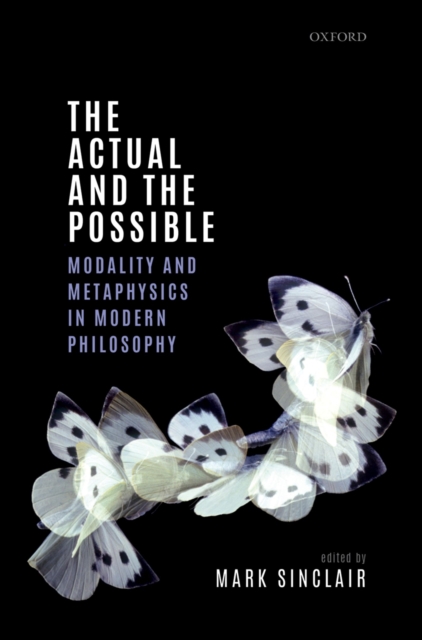
The Actual and the Possible presents new essays by leading specialists on modality and the metaphysics of modality in the history of modern philosophy from the seventeenth to the twentieth centuries.
The Actual and the Possible presents new essays by leading specialists on modality and the metaphysics of modality in the history of modern philosophy from the seventeenth to the twentieth centuries.
Many significant problems in metaphysics are tied to ontological questions, but ontology and its relation to larger questions in metaphysics give rise to a series of puzzles that suggest that we don't fully understand what ontology is supposed to do, nor what ambitions metaphysics can have for finding out about what reality is like.
Gila Sher approaches knowledge from the perspective of the basic human epistemic situation--the situation of limited yet resourceful beings, living in a complex world and aspiring to know it in its full complexity.
This collection of new essays on the systematic thought and intellectual legacy of the American philosopher Wilfrid Sellars (1912-1989) comes at a time when Sellars's influence on contemporary debates about mind, meaning, knowledge, and metaphysics has never been greater.
This work presents a historically informed, systematic exposition of the Christology of the first seven Ecumenical Councils of undivided Christendom, from the First Council of Nicaea in 325 AD to the Second Council of Nicaea in 787 AD.
This work presents a historically informed, systematic exposition of the Christology of the first seven Ecumenical Councils of undivided Christendom, from the First Council of Nicaea in 325 AD to the Second Council of Nicaea in 787 AD.
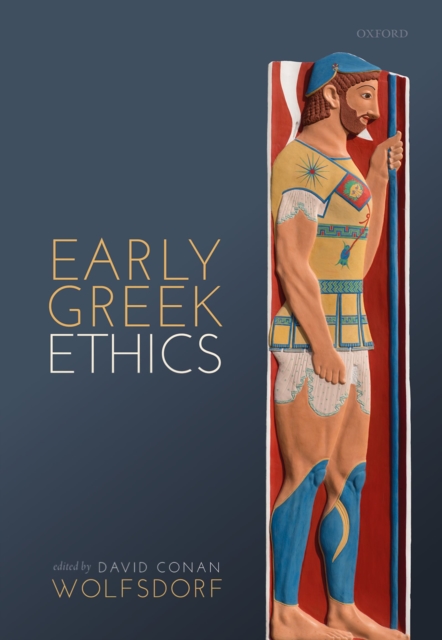
Early Greek Ethics is devoted to Greek philosophical ethics in its formative period, from the last decades of the sixth century BCE to the beginning of the fourth century BCE.
This volume explores the philosophical issues involved in the idea of petitionary prayer, where this is conceived as an activity designed to influence the action of the all-knowing, all-powerful, perfectly good God of traditional theism.
This volume explores the philosophical issues involved in the idea of petitionary prayer, where this is conceived as an activity designed to influence the action of the all-knowing, all-powerful, perfectly good God of traditional theism.