Das umfangreiche Werk von Carl Christian Erhard Schmid (1761–1812) hat in der Philosophiegeschichtsforschung mit Ausnahme seiner Lehre vom intelligiblen Fatalismus bislang keine Beachtung erfahren.
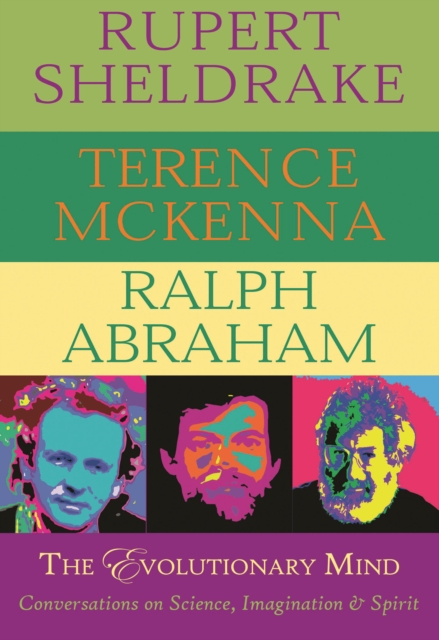
Stimulating and often startling discussions between three friends, all highly original thinkers: Rupert Sheldrake, controversial biologist, Terence McKenna , psychedelic visionary, and Ralph Abraham , chaos mathematician.
Arne Ness (Naess) (1912-2009) shows with careful questioning of people who are not professional philosophers that there is no single common notion of truth, and indeed the variety of views that philosophers hold on truth are held by more or less equal proportions of those he interviews.
Part 1, Advanced Contemplation, offers a direct route to the deepest mystical states--yielding permanent results of a metaphysical, transpersonal, and universal nature.
Nearly everyone has brief moments of exalting contact with his or her own divine Soul: this book shows how to make the most of those moments; how to recognize, develop, test, and follow through on intuitions; how to contact the source of inspiration and make its vitalizing power a continuous presence.
Examining the relationship between perception and events, this highly significant volume contributes several important ideas to the "e;bridge"e; between modern science and perennial wisdom teachings.
Part 1, Human Experience, examines the spiritual lessons implicit in daily living, the need for educational reforms, the causes and purposes of personal suffering, special problems and opportunities of youth and age, problems of marriage and relationship, and how to convert contemporary crises into opportunities for dramatic spiritual growth.
Part 1, The Ego, is one of Paul Brunton's greatest and most unique gifts to the literature of realization--a truly earth-shaking piece of work for serious spiritual seekers.
Part 1, Practices for the Quest, goes to the heart of various disciplines, exercises, and techniques that are useful at various stages of spiritual self-discovery and self-development.
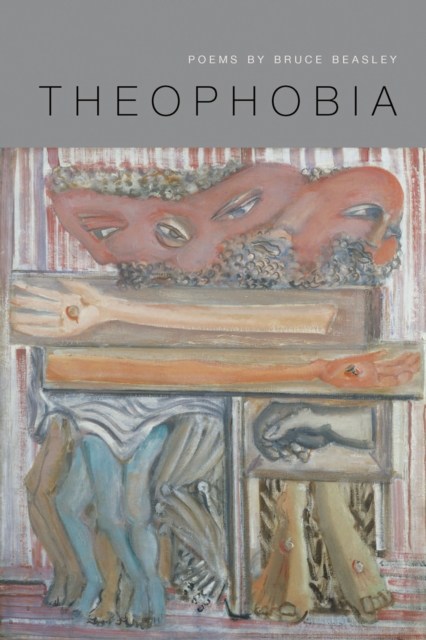
Theophobia is the latest volume in Bruce Beasley's ongoing spiritual meditation which forms a kind of postmodern devotional poetry in a reinvention of the tradition of John Donne, George Herbert, Emily Dickinson, Gerard Manley Hopkins, and T.
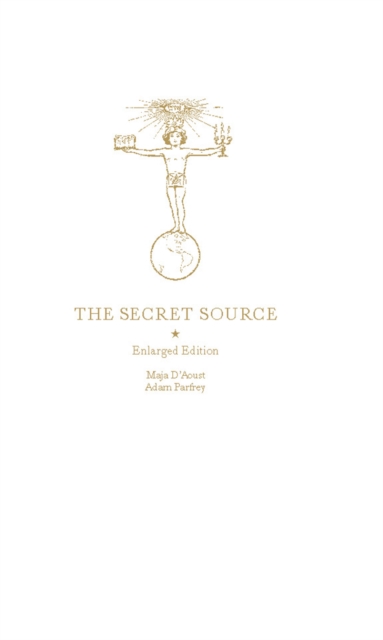
The Secret Source reveals the actual occult doctrines that gave birth to The Law of Attraction and later inspired the media phenomenon known as The Secret.
Some of the most provocative questions confronting philosophers in Africa are grounded in the historical memory of conquest and the peripheralisation the continent.
Some of the most provocative questions confronting philosophers in Africa are grounded in the historical memory of conquest and the peripheralisation the continent.
Stimulating and often startling discussions between three friends, all highly original thinkers: Rupert Sheldrake, controversial biologist, Terence McKenna , psychedelic visionary, and Ralph Abraham , chaos mathematician.
The traditional account of mind/body union attributed to Descartes supposes that the immaterial, thinking mind and the material, non-thinking body interact by means of efficient causation - that the mind causes events in the body, e.