Cognitive Science and the Reconceptualization of Social Theory explores how core social science ideas can be naturalized and reconceptualized through the lens of cognitive science.
Recent debates on phenomenal consciousness have shown renewed interest for the idea that experience generally includes an experience of the self--a self-experience--whatever else it may present the self with.
Sensory Individuals: Unimodal and Multimodal Perspectives provides an interdisciplinary, well-balanced, and comprehensive look at different aspects of unisensory and multisensory objects, using both nuanced philosophical analysis and informed empirical work.
Embodied Idealism argues that Maurice Merleau-Ponty's early thought - primarily as found in The Structure of Behavior and Phenomenology of Perception - stands as a form of transcendental idealism.
As a prominent figure of the 18th century Enlightenment, Kant advocated faith in reason and in the possibility of human progress through the development of human beings' rational capacities.
As a prominent figure of the 18th century Enlightenment, Kant advocated faith in reason and in the possibility of human progress through the development of human beings' rational capacities.
PAS: The Passive Architecture of the Sovereign is the fourth volume in the Codex of Will series — an authorial philosophical-metaphorical system exploring Consciousness, Volia, the Flow, Ego, Soul, Kletos, Lineage, and the mechanics of human participation in reality.
Hidden Dependencies examines the invisible structures that govern human behavior — the cognitive patterns, emotional loops, and systemic forces that quietly shape how people think, react, and relate.
Network of Life: Kaleidoscope of Living Connection is Volume VI of the Codex of Will series — an authorial philosophical-metaphorical work about living connection, boundaries, awareness, Volia, Kohannia, responsibility, and the invisible "e;between"e; through which human beings meet one another and the Whole.
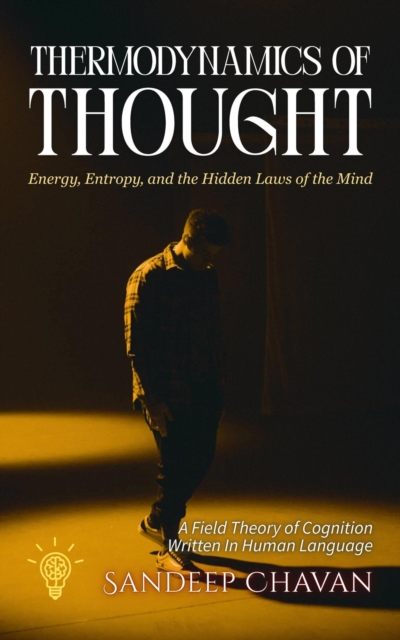
In a world overwhelmed by information, opinions, and constant mental activity, Thermodynamics of Thought offers a radically different perspective: the mind does not suffer because it thinks too much—it suffers because thought does not get to finish.
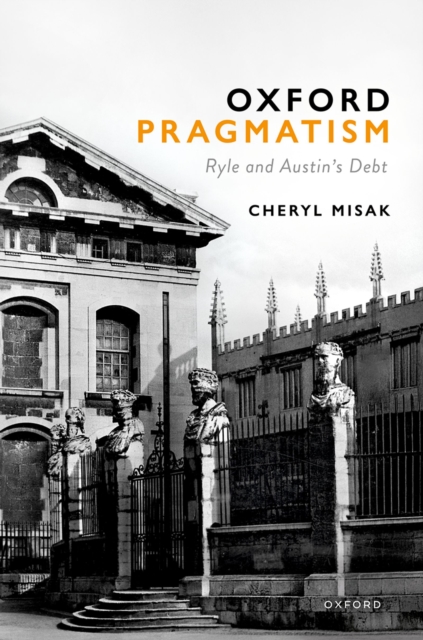
Oxford Pragmatism uncovers and explores the unrecognized impact of American pragmatism on the Oxford linguistic philosophy that thrived from the 1930s to the 1950s, made famous by Gilbert Ryle and J.