This volume presents a selection of Hubert Dreyfus's pioneering work in bringing phenomenology and existentialism to bear on the philosophical and scientific study of the mind.
This volume presents a selection of Hubert Dreyfus's pioneering work in bringing phenomenology and existentialism to bear on the philosophical and scientific study of the mind.
One of the most important problems of modern philosophy concerns the place of the mind -- and, in particular, of consciousness, meaning, and intentionality -- in a physical universe.
Enactivist Interventions is an interdisciplinary work that explores how theories of embodied cognition illuminate many aspects of the mind, including intentionality, representation, the affect, perception, action and free will, higher-order cognition, and intersubjectivity.
Enactivist Interventions is an interdisciplinary work that explores how theories of embodied cognition illuminate many aspects of the mind, including intentionality, representation, the affect, perception, action and free will, higher-order cognition, and intersubjectivity.
Philosophers have always recognized the value of reason, but the process of reasoning itself has only recently begun to emerge as a philosophical topic in its own right.
Philosophers have always recognized the value of reason, but the process of reasoning itself has only recently begun to emerge as a philosophical topic in its own right.
A Naive Realist Theory of Colour defends the view that colours are mind-independent properties of things in the environment, that are distinct from properties identified by the physical sciences.
Kirk Ludwig presents a philosophical account of institutional action, such as action by corporations and nation states, arguing that it can be understood exhaustively in terms of the agency of individuals and concepts constructed out of materials that are already at play in our understanding of individual action.
For much of the past two millennia philosophers have embraced a priori knowledge and have thought that the a priori plays an important role in philosophy itself.
Psychoanalysis is often equated with Sigmund Freud, but this comparison ignores the wide range of clinical practices, observational methods, general theories, and cross-pollinations with other disciplines that characterise contemporary psychoanalytic work.
Psychoanalysis is often equated with Sigmund Freud, but this comparison ignores the wide range of clinical practices, observational methods, general theories, and cross-pollinations with other disciplines that characterise contemporary psychoanalytic work.
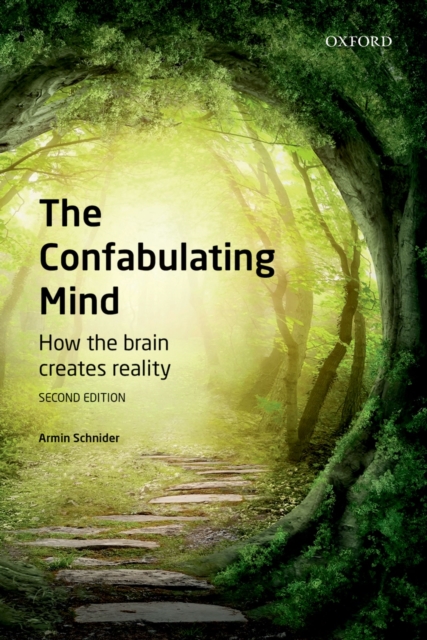
Confabulations are recitations of events and experiences that never happened, ranging from incorrect responses to questions to a blatant confusion of reality.
Confabulations are recitations of events and experiences that never happened, ranging from incorrect responses to questions to a blatant confusion of reality.
Psychiatry Reborn: Biopsychosocial Psychiatry in Modern Medicine is a comprehensive collection of essays by leading experts in the field, and provides a timely reassessment of the biopsychosocial approach in psychiatry.
Psychiatry Reborn: Biopsychosocial Psychiatry in Modern Medicine is a comprehensive collection of essays by leading experts in the field, and provides a timely reassessment of the biopsychosocial approach in psychiatry.
Oxford Studies in Agency and Responsibility is a series of volumes presenting outstanding new work on a set of connected themes, investigating such questions as: What does it mean to be an agent?
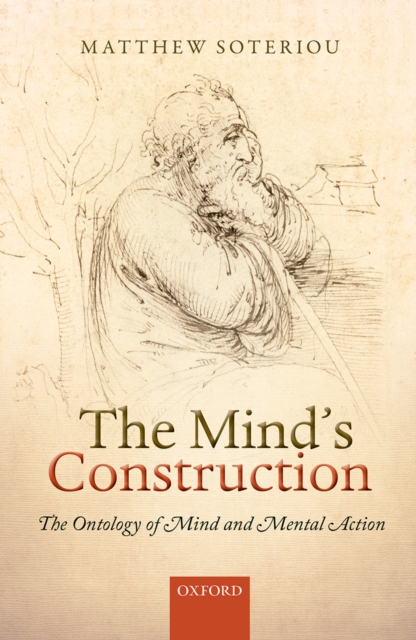
Philosophers working on the ontology of mind have highlighted various distinctions that can be drawn between the ways in which different aspects of our minds fill time.
The Oxford Handbook of Philosophy of Perception is a survey by leading philosophical thinkers of contemporary issues and new thinking in philosophy of perception.
The Oxford Handbook of Philosophy of Perception is a survey by leading philosophical thinkers of contemporary issues and new thinking in philosophy of perception.
One of the most important problems of modern philosophy concerns the place of the mind -- and, in particular, of consciousness, meaning, and intentionality -- in a physical universe.
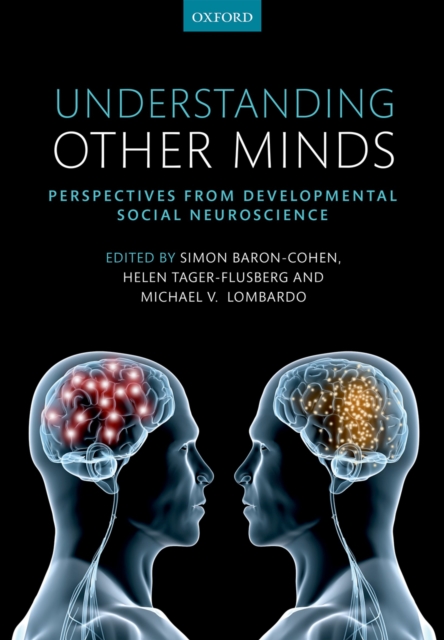
This book comprises 26 exciting chapters by internationally renowned scholars, addressing the central psychological process separating humans from other animals: the ability to imagine the thoughts and feelings of others, and to reflect on the contents of our own mindsa theory of mind (ToM).
This book comprises 26 exciting chapters by internationally renowned scholars, addressing the central psychological process separating humans from other animals: the ability to imagine the thoughts and feelings of others, and to reflect on the contents of our own mindsa theory of mind (ToM).