This study is about what matters in survival--about what relation to a future individual gives you a reason for prudential concern for that individual.
This study is about what matters in survival--about what relation to a future individual gives you a reason for prudential concern for that individual.
Stephen Daniel presents a study of the philosophy of George Berkeley in the intellectual context of his times, with a particular focus on how, for Berkeley, mind is related to its ideas.
There are many exciting points of contact between developmental psychology in the attachment paradigm and the kinds of questions first raised by Aristotle's ethics, and which continue to preoccupy moral philosophers today.
There are many exciting points of contact between developmental psychology in the attachment paradigm and the kinds of questions first raised by Aristotle's ethics, and which continue to preoccupy moral philosophers today.
Although it is common to see Kant's philosophy as at its core a reaction to (and partial rejection of) the dogmatism and rationalism of Leibniz, Wolff, and their followers, it is surprising how little detailed and critical study there has been of the relation between Leibniz and Kant.
Although it is common to see Kant's philosophy as at its core a reaction to (and partial rejection of) the dogmatism and rationalism of Leibniz, Wolff, and their followers, it is surprising how little detailed and critical study there has been of the relation between Leibniz and Kant.
Phenomenal Conservatism (the view that an appearance that things are a particular way gives one prima facie justification for believing that they are that way) is a promising, and popular, internalist theory of epistemic justification.
Phenomenal Conservatism (the view that an appearance that things are a particular way gives one prima facie justification for believing that they are that way) is a promising, and popular, internalist theory of epistemic justification.
Aristotle initiated the systematic investigation of perception, the emotions, memory, desire and action, developing his own account of these phenomena and their interconnection.
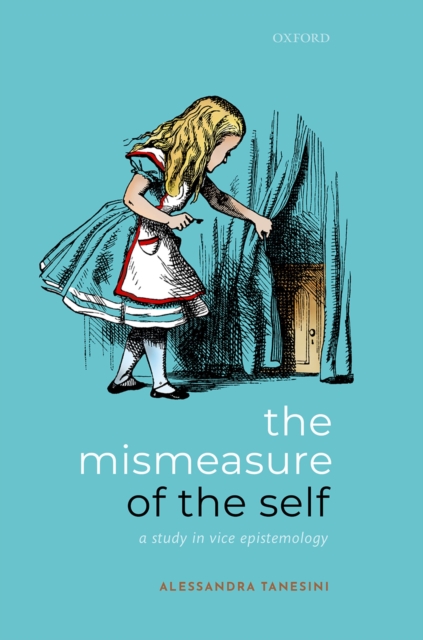
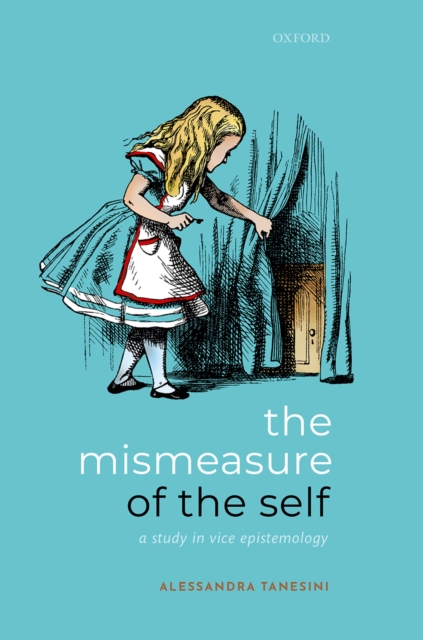
When Alice stepped through the looking-glass, she encountered a peculiar world where she meets animated chess pieces, characters from nursery rhymes, and talking animals.
When Alice stepped through the looking-glass, she encountered a peculiar world where she meets animated chess pieces, characters from nursery rhymes, and talking animals.
In Neurocognitive Mechanisms Gualtiero Piccinini presents the most systematic, rigorous, and comprehensive philosophical defence to date of the computational theory of cognition.
In Neurocognitive Mechanisms Gualtiero Piccinini presents the most systematic, rigorous, and comprehensive philosophical defence to date of the computational theory of cognition.
Virtual Subjects, Fugitive Selves is a sustained analytical exploration of the rich philosophy of self of the Portuguese poet Fernando Pessoa (1888-1935).
Virtual Subjects, Fugitive Selves is a sustained analytical exploration of the rich philosophy of self of the Portuguese poet Fernando Pessoa (1888-1935).
In an ideal world, our beliefs would satisfy norms of truth and rationality, as well as foster the acquisition, retention, and use of other relevant information.
In an ideal world, our beliefs would satisfy norms of truth and rationality, as well as foster the acquisition, retention, and use of other relevant information.
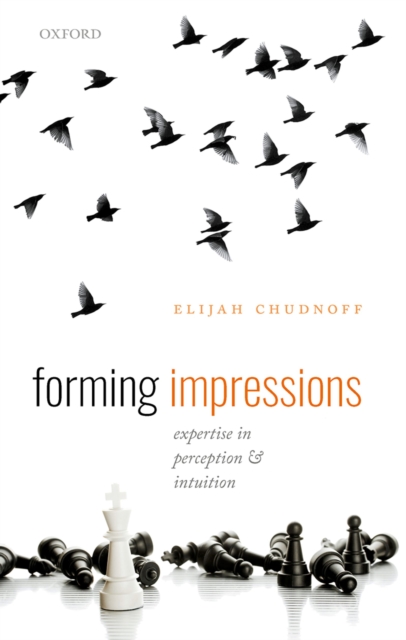
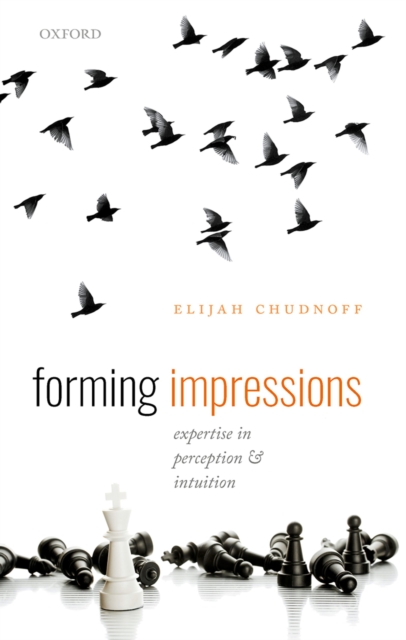
Perception and intuition are our basic sources of knowledge about the concrete world around us, and more abstract matters such as mathematics, metaphysics, and morality.
Perception and intuition are our basic sources of knowledge about the concrete world around us, and more abstract matters such as mathematics, metaphysics, and morality.
Across several intellectual disciplines there exists a tension between an appreciation of the cognitive capacities that all humans share and a recognition of the great variety in their manifestations in different individuals and groups.
Across several intellectual disciplines there exists a tension between an appreciation of the cognitive capacities that all humans share and a recognition of the great variety in their manifestations in different individuals and groups.
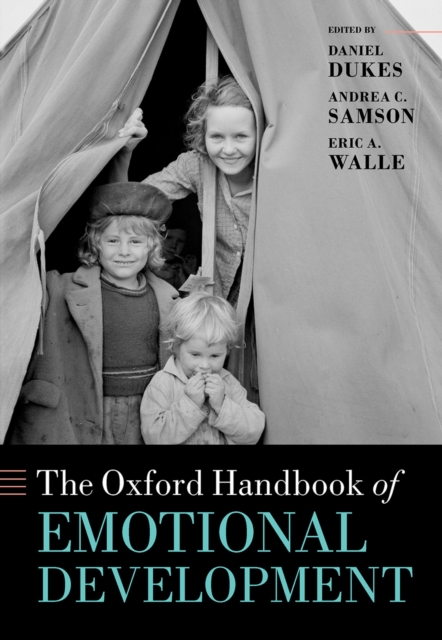
Emotional Development is a topic that embraces a range of disciplines, including, psychology, neuroscience, sociology, primatology, philosophy, history, cognitive science, computer science, and education.
Emotional Development is a topic that embraces a range of disciplines, including, psychology, neuroscience, sociology, primatology, philosophy, history, cognitive science, computer science, and education.