Tackling some central problems in the philosophy of action, Mele constructs an explanatory model for intentional behavior, locating the place and significance of such mental phenomena as beliefs, desires, reason, and intentions in the etiology of intentional action.
This book examines how Western behavioral science--which has generally focused on negative aspects of human nature--holds up to cross-cultural scrutiny, in particular the Tibetan Buddhist celebration of the human potential for altruism, empathy, and compassion.
The new field of experimental philosophy has emerged as the methods of psychological science have been brought to bear on traditional philosophical issues.
The new field of experimental philosophy has emerged as the methods of psychological science have been brought to bear on traditional philosophical issues.
Oxford Studies in Philosophy of Mind presents cutting-edge work in the philosophy of mind, combining invited articles and articles selected from submissions.
Oxford Studies in Philosophy of Mind presents cutting-edge work in the philosophy of mind, combining invited articles and articles selected from submissions.
In The Value Gap, Toni Ronnow-Rasmussen addresses the distinction between what is finally good and what is finally good-for, two value notions that are central to ethics and practical deliberation.
In The Value Gap, Toni Ronnow-Rasmussen addresses the distinction between what is finally good and what is finally good-for, two value notions that are central to ethics and practical deliberation.
In the course of the eighteenth century, understanding human cognitive life came to be construed as something to be explored in terms of the physiology of the sensory organs, the nerves, and the brain: a form of naturalization that effectively moved cognition out of the realm of philosophy as it had traditionally been understood.
In the course of the eighteenth century, understanding human cognitive life came to be construed as something to be explored in terms of the physiology of the sensory organs, the nerves, and the brain: a form of naturalization that effectively moved cognition out of the realm of philosophy as it had traditionally been understood.
Wrongdoing and the Moral Emotions provides an account of how we might effectively address wrongdoing given challenges to the legitimacy of anger and retribution that arise from ethical considerations and from concerns about free will.
Wrongdoing and the Moral Emotions provides an account of how we might effectively address wrongdoing given challenges to the legitimacy of anger and retribution that arise from ethical considerations and from concerns about free will.
This study is about what matters in survival--about what relation to a future individual gives you a reason for prudential concern for that individual.
This study is about what matters in survival--about what relation to a future individual gives you a reason for prudential concern for that individual.
Stephen Daniel presents a study of the philosophy of George Berkeley in the intellectual context of his times, with a particular focus on how, for Berkeley, mind is related to its ideas.
There are many exciting points of contact between developmental psychology in the attachment paradigm and the kinds of questions first raised by Aristotle's ethics, and which continue to preoccupy moral philosophers today.
There are many exciting points of contact between developmental psychology in the attachment paradigm and the kinds of questions first raised by Aristotle's ethics, and which continue to preoccupy moral philosophers today.
Although it is common to see Kant's philosophy as at its core a reaction to (and partial rejection of) the dogmatism and rationalism of Leibniz, Wolff, and their followers, it is surprising how little detailed and critical study there has been of the relation between Leibniz and Kant.
Although it is common to see Kant's philosophy as at its core a reaction to (and partial rejection of) the dogmatism and rationalism of Leibniz, Wolff, and their followers, it is surprising how little detailed and critical study there has been of the relation between Leibniz and Kant.
Phenomenal Conservatism (the view that an appearance that things are a particular way gives one prima facie justification for believing that they are that way) is a promising, and popular, internalist theory of epistemic justification.
Phenomenal Conservatism (the view that an appearance that things are a particular way gives one prima facie justification for believing that they are that way) is a promising, and popular, internalist theory of epistemic justification.
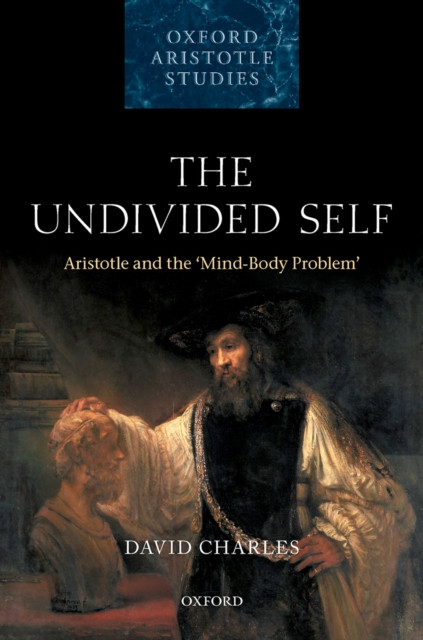
Aristotle initiated the systematic investigation of perception, the emotions, memory, desire and action, developing his own account of these phenomena and their interconnection.