Regional Sufi Centres in India: Significance and Contribution sets out to explore and understand the hundreds of years old multi-religious sect of India, "e;Sufism,"e; which advocates humane and global outlook for entire mankind and regards humanity as a brotherhood.
Regional Sufi Centres in India: Significance and Contribution sets out to explore and understand the hundreds of years old multi-religious sect of India, "e;Sufism,"e; which advocates humane and global outlook for entire mankind and regards humanity as a brotherhood.
No se trata solo de abandonar las grandes palabras y sus ilusiones significativas (Revolución, Historia, Humanismo), siempre se ha tratado de otra cosa: pensar en movimientos imprevistos, entre diversos dispositivos, teóricos y prácticos, trazando diagonales, operando desplazamientos, cambios de terreno, redefiniciones de problemáticas, etcétera.
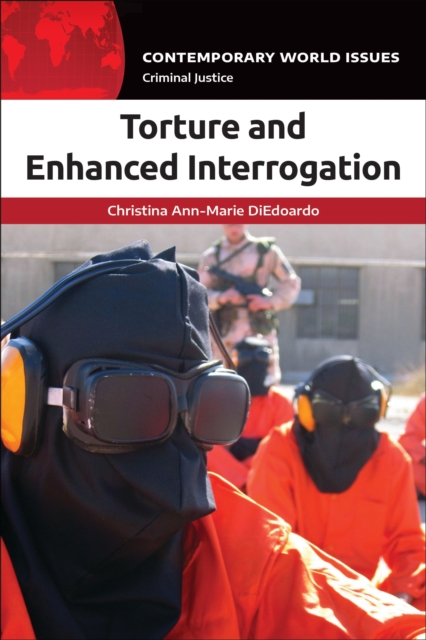
An all-in-one resource for understanding the issue of torture and enhanced interrogations, including their history as an instrument of state power and warfare, debates over the morality of their use in different contexts, and efforts by human rights organizations and nations to end torture and enhanced interrogation techniques worldwide.
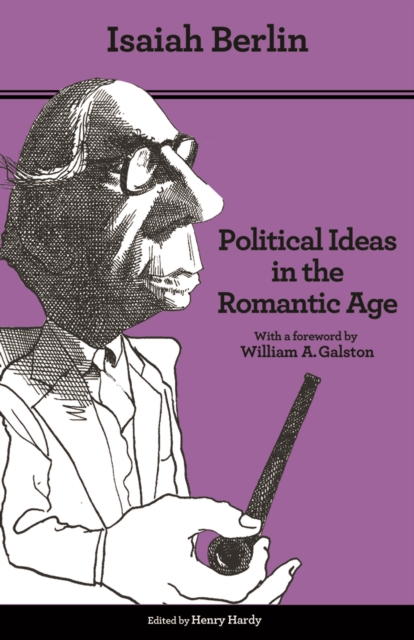
This new edition features the previously unpublished delivery text of Berlin's inaugural lecture as a professor at Oxford, which derives from this volume and stands as the briefest and most pithy version of his famous essay "e;Two Concepts of Liberty.
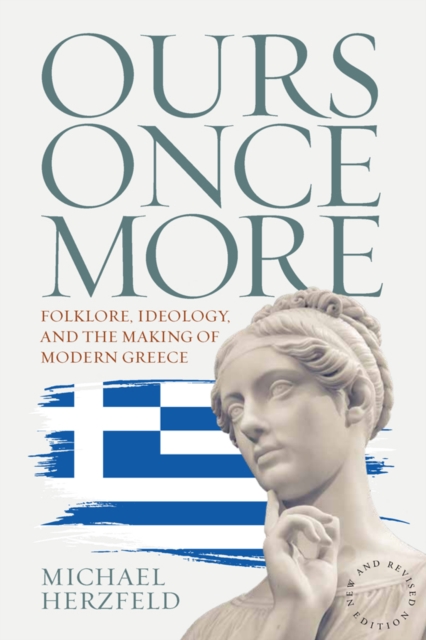
When this work one that contributes to both the history and anthropology fields first appeared in 1982, it was hailed as a landmark study of the role of folklore in nation-building.
Since the Enlightenment, liberalism as a concept has been foundational for European identity and politics, even as it has been increasingly interrogated and contested.
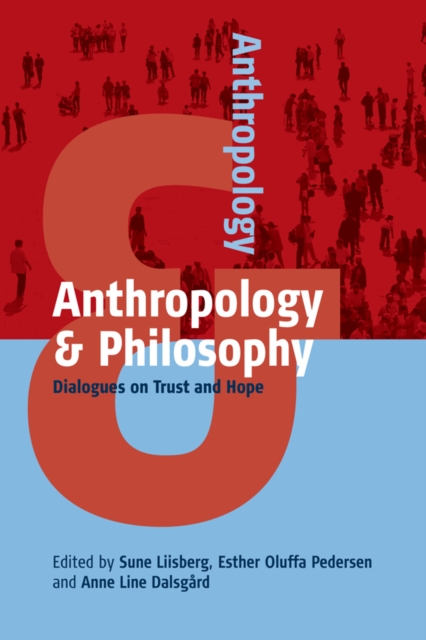
The present book is no ordinary anthology, but rather a workroom in which anthropologists and philosophers initiate a dialogue on trust and hope, two important topics for both fields of study.
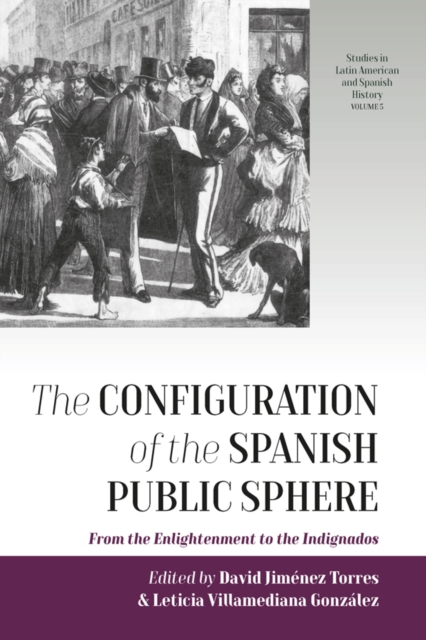
Since the explosion of the indignados movement beginning in 2011, there has been a renewed interest in the concept of the public sphere in a Spanish context: how it relates to society and to political power, and how it has evolved over the centuries.
Herbert Marcuse, Erich Fromm, Max Horkheimer, Franz Neumann, Theodor Adorno, Leo Lowenthal-the impact of the Frankfurt School on the sociological, political, and cultural thought of the twentieth century has been profound.
In this imaginative and comprehensive study, Edward Casey, one of the most incisive interpreters of the Continental philosophical tradition, offers a philosophical history of the evolving conceptualizations of place and space in Western thought.
Spaces of Possibility, which arose from a 2012 conference held at the University of Washingtons Simpson Center for the Humanities, engages with spaces in, between, and beyond the national borders of Japan and Korea.
Long considered "e;the noblest of the senses,"e; vision has increasingly come under critical scrutiny by a wide range of thinkers who question its dominance in Western culture.
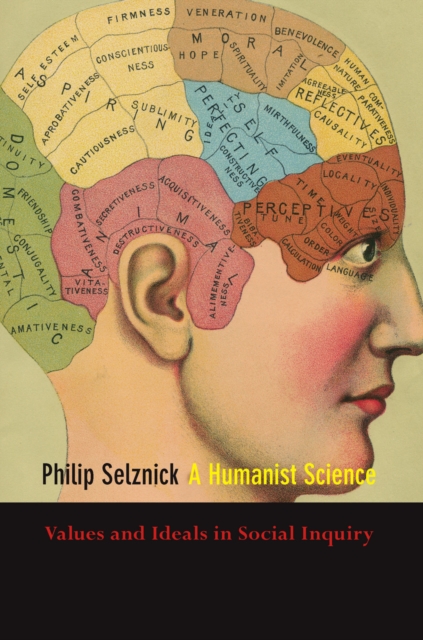
Providing a capstone to Philip Selznick's influential body of scholarly work, A Humanist Science insightfully brings to light the value-centered nature of the social sciences.
Debating or making speeches, American politicians invariably cite tenets of Christian faitheven as they unfailingly defend the liberal principles of tolerance and religious neutrality that underpin a pluralistic democracy.
Edward Snowden, Julian Assange, and Chelsea Manning are key figures in the struggles playing out in our democracies over internet use, state secrets, and mass surveillance in the age of terror.
The three essays collected in this book offer a succinct introduction to Agamben's recent work through an investigation of Foucault's notion of the apparatus, a meditation on the intimate link of philosophy to friendship, and a reflection on contemporariness, or the singular relation one may have to one's own time.
Sediments of Time features the most important essays by renowned German historian Reinhart Koselleck not previously available in English, several of them essential to his theory of history.
The oeuvre of the Greek historian Xenophon, whose works stand with those of Plato as essential accounts of the teachings of Socrates, has seen a new surge of attention after decades in the shadows.
The acclaimed philosopher's penetrating analysis of Pontius Pilate offers provocative and original insight into Western conceptions of judgment and guilt.
Thought by many to be the quintessential philosopher of the modern age, John Locke's ideas are the key to understanding society and politics in the West.
The author sets before the reader a lifelike picture of the deities of classical times as they were conceived and worshipped by the ancients themselves, and thereby to awaken in the minds of young students a desire to become more intimately acquainted with the noble productions of classical antiquity.
In Leviathan, Thomas Hobbes's landmark work on political philosophy, James Martel argues that although Hobbes pays lip service to the superior interpretive authority of the sovereign, he consistently subverts this authority throughout the book by returning it to the reader.
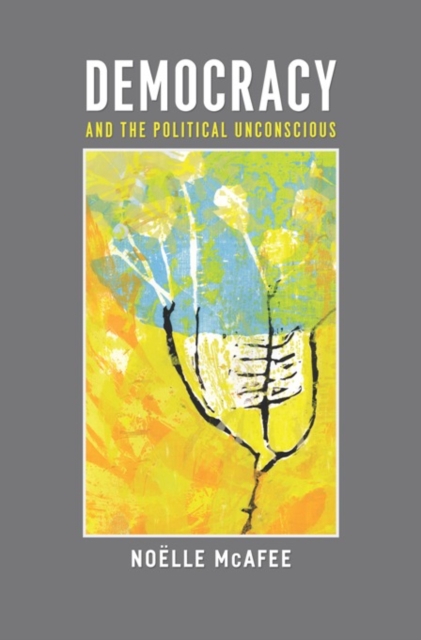
Political philosopher Noelle McAfee proposes a powerful new political theory for our post-9/11 world, in which an old pathology-the repetition compulsion-has manifested itself in a seemingly endless war on terror.