In the pathbreaking essays collected here, Neumann and Kirchheimer demonstrate that the death of democracy and the rise of fascism during the first half of the twentieth century suggest crucial lessons for contemporary political and legal scholars.
Highlighting the social tensions that confront the liberal tradition, Pierre Manent draws a portrait of what we, citizens of modern liberal democracies, have become.
A philosophical exploration of female submission, using insights from feminist thinkers-especially Simone de Beauvoir-to reveal the complexities of women's reality and lived experienceWhat role do women play in the perpetuation of patriarchy?
A compelling account of the threat immigration control poses to the citizens of free societies Immigration is often seen as a danger to western liberal democracies because it threatens to undermine their fundamental values, most notably freedom and national self-determination.
In light of many recent critiques of Western modernity and its conceptual foundations, the problem of adequately justifying our most basic moral and political values looms large.
Outlining the major competing theories in the history of political and moral philosophy--from Locke and Hume through Hart, Rawls, and Nozick--John Simmons attempts to understand and solve the ancient problem of political obligation.
An intellectual history of the late Roman Republicand the senators who fought both scholarly debates and a civil warIn The Roman Republic of Letters, Katharina Volk explores a fascinating chapter of intellectual history, focusing on the literary senators of the mid-first century BCE who came to blows over the future of Rome even as they debated philosophy, history, political theory, linguistics, science, and religion.
From one of the leading policy experts of our time, an urgent rethinking of how we can better support each other to thriveWhether we realize it or not, all of us participate in the social contract every day through mutual obligations among our family, community, place of work, and fellow citizens.
A dramatic intellectual biography of Victorian jurist Travers Twiss, who provided the legal justification for the creation of the brutal Congo Free StateEminent jurist, Oxford professor, advocate to the Archbishop of Canterbury, Travers Twiss (18091897) was a model establishment figure in Victorian Britain, and a close collaborator of Prince Metternich, the architect of the Concert of Europe.
An intellectual history of the philosophers who grappled with the problem of evil, and the case for why pessimism still holds moral value for us todayIn the seventeenth and eighteenth centuries, philosophers engaged in heated debates on the question of how God could have allowed evil and suffering in a creation that is supposedly good.
How the insane asylum became a laboratory of democracy is revealed in this provocative look at the treatment of the mentally ill in nineteenth-century France.
One of the world's most important political philosophers, Jon Elster is a leading thinker on reason and rationality and their roles in politics and public life.
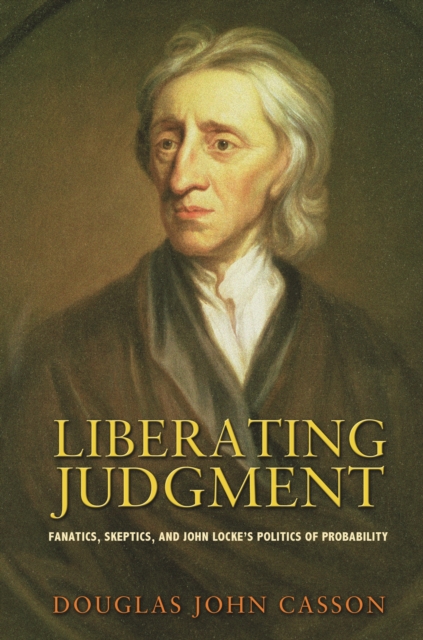
Examining the social and political upheavals that characterized the collapse of public judgment in early modern Europe, Liberating Judgment offers a unique account of the achievement of liberal democracy and self-government.
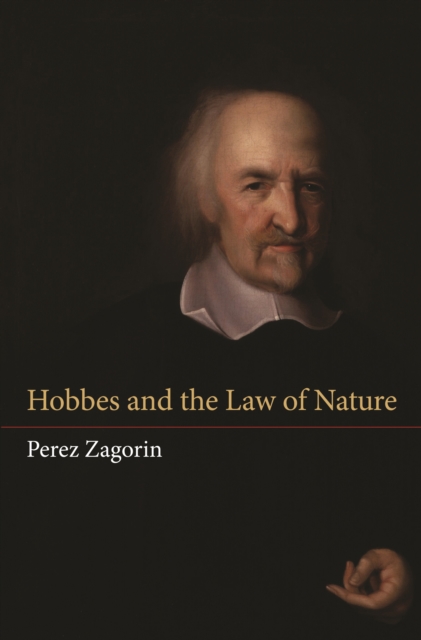
This is the first major work in English to explore at length the meaning, context, aims, and vital importance of Thomas Hobbes's concepts of the law of nature and the right of nature.
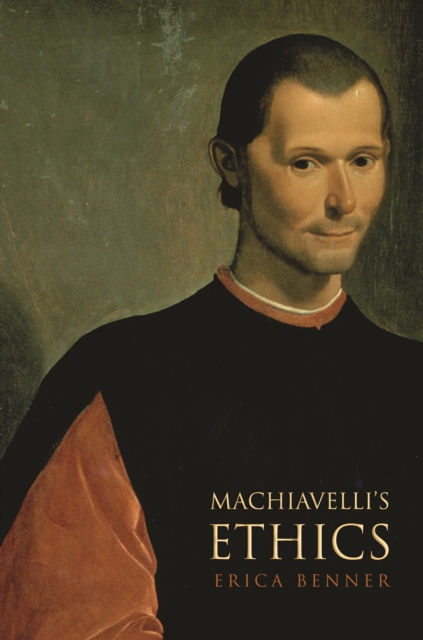
Machiavelli's Ethics challenges the most entrenched understandings of Machiavelli, arguing that he was a moral and political philosopher who consistently favored the rule of law over that of men, that he had a coherent theory of justice, and that he did not defend the "e;Machiavellian"e; maxim that the ends justify the means.
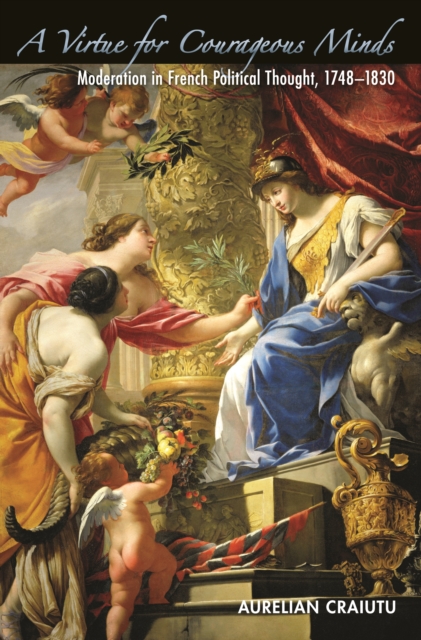
Political moderation is the touchstone of democracy, which could not function without compromise and bargaining, yet it is one of the most understudied concepts in political theory.
Perhaps no other Western writer has more deeply probed the bitter struggle in the Muslim world between the forces of religion and law and those of violence and lawlessness as Noah Feldman.
Why compromise is essential for effective government and why it is missing in politics todayTo govern in a democracy, political leaders have to compromise.
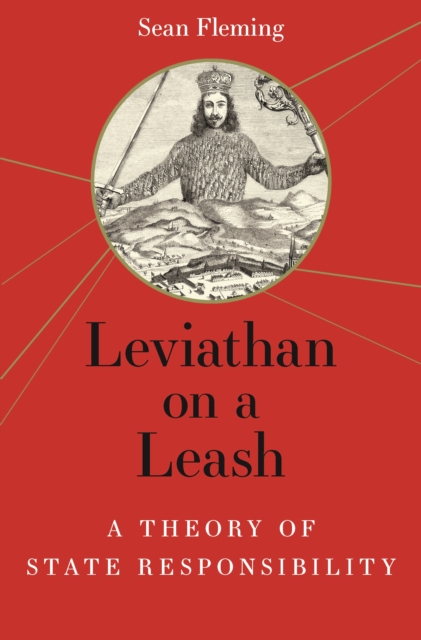
New perspectives on the role of collective responsibility in modern politicsStates are commonly blamed for wars, called on to apologize, held liable for debts and reparations, bound by treaties, and punished with sanctions.
How ancient skepticism can help you attain tranquility by learning to suspend judgmentAlong with Stoicism and Epicureanism, Skepticism is one of the three major schools of ancient Greek philosophy that claim to offer a way of living as well as thinking.
A compelling history of liberalism from the nineteenth century to todayDespite playing a decisive role in shaping the past two hundred years of American and European politics, liberalism is no longer the dominant force it once was.
A colorful history of utilitarianism told through the lives and ideas of Jeremy Bentham, John Stuart Mill, and its other foundersIn The Happiness Philosophers, Bart Schultz tells the colorful story of the lives and legacies of the founders of utilitarianism-one of the most influential yet misunderstood and maligned philosophies of the past two centuries.
This book addresses one of the most urgent issues in contemporary American law-namely, the logic and limits of extending free exercise rights to corporate entities.
Why our belief in government by the people is unrealistic-and what we can do about itDemocracy for Realists assails the romantic folk-theory at the heart of contemporary thinking about democratic politics and government, and offers a provocative alternative view grounded in the actual human nature of democratic citizens.
Spurred by recent governmental transitions from dictatorships to democratic institutions, this highly original work argues that negotiated civil society-oriented transitions have an affinity for a distinctive method of constitution making_one that accomplishes the radical change of institutions through legal continuity.
This book examines the use of myth in contemporary popular and high culture, and proposes that the aporetic subject, the individual that 'does not know', is the ideal contemporary subject.