'A splendid work of art, In Defence of the Ordinary returns drama, pleasure and awakening to everyday life in the tradition of cultural critics like Ashis Nandy and Umberto Eco The book is one of a kind.
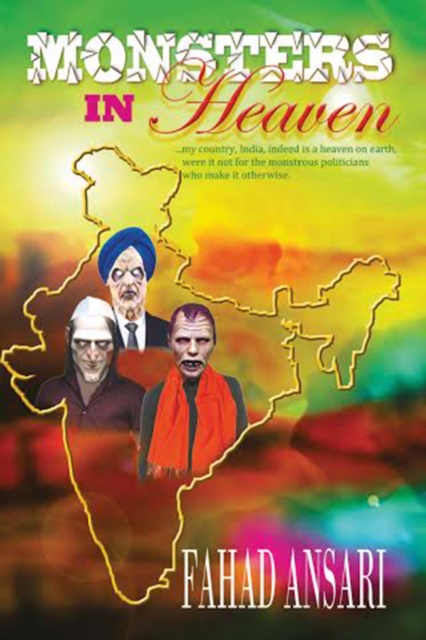
A college student, Rehan, learns that his father Mr Shirke is corrupt since his wife Rehana is suffering from cancer and that to cure her, he requires a huge amount of money.
Three mavericks - Aditya, an IAS topper, Siddhanta, a Harvard drop-out and Devanjali, a top-notch media-woman, by a combination of circumstances, come to a remote village and set up 'The Ara Club', the secret meeting place that attracts some of the best young professionals of India who nurture similar ambitions of systemic changes.
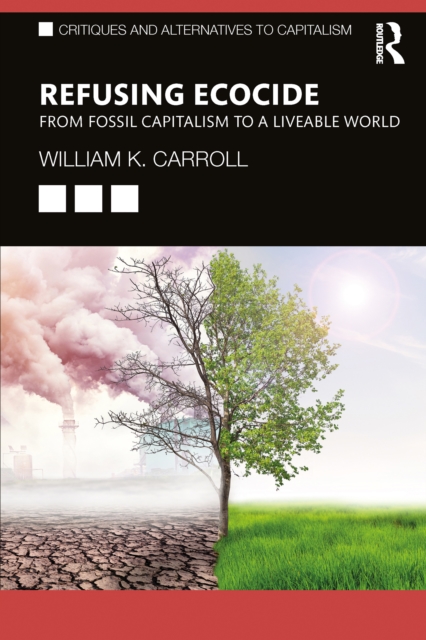
Refusing Ecocide: From Fossil Capitalism to a Liveable World provides a critical analysis of the central role of fossil capitalism in causing climate change and argues that only alternatives based upon democratic eco-socialism can prevent the deepening of the climate crisis.
Insights developed in the past two decades by philosophers of the social sciences can serve to enrich the challenging intellectual tasks of conceptualizing, investigating, and representing the human past.
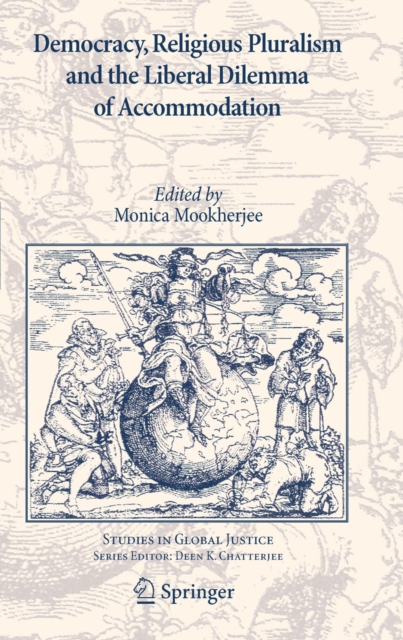
How should liberal democratic governments respond to citizens as religious believers whose values, norms and practices might lie outside the cultural mainstream?
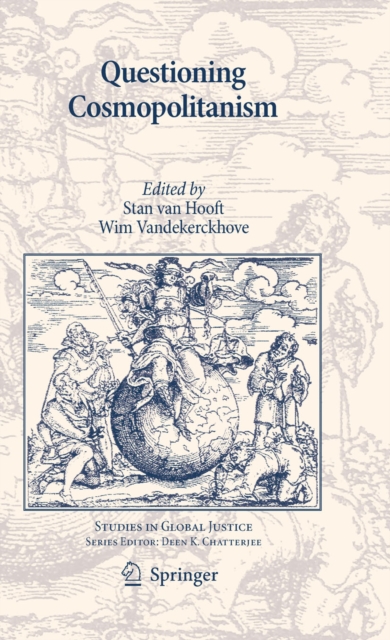
Wim Vandekerckhove and Stan van Hooft The philosopher, Diogenes the Cynic, in the fourth century BCE, was asked where he came from and where he felt he belonged.
This volume consists of analyses by experts from both the West and the East on the up-to-date development of Eco-socialism as a red-green politics within the context of capitalist globalisation.
For the past 50 years a select group of scientists has provided advice to the US President, mostly out of the public eye, on issues ranging from the deployment of weapons to the launching of rockets to the moon to the use of stem cells to cure disease.
Covering the ethical dimensions of international-level adaptation funding, a subject of growing interest in the climate change debate, this book provides a theoretical analysis of the ethical foundations of the UNFCCC regime on adaptation funding, one that culminates in the definition of a framework of justice.
Science aims at the discovery of general principles of special kinds that are applicable for the explanation and prediction of the phenomena of the world in the form of theories and laws.
In recent decades there has been a great expansion in the number, size and influence of International Non-Governmental Organisations (INGOs) involved in international relief and development.
This comprehensive presentation of Axel Hagerstrom (1868-1939) fills a void in nearly a century of literature, providing both the legal and political scholar and the non-expert reader with a proper introduction to the father of Scandinavian realism.
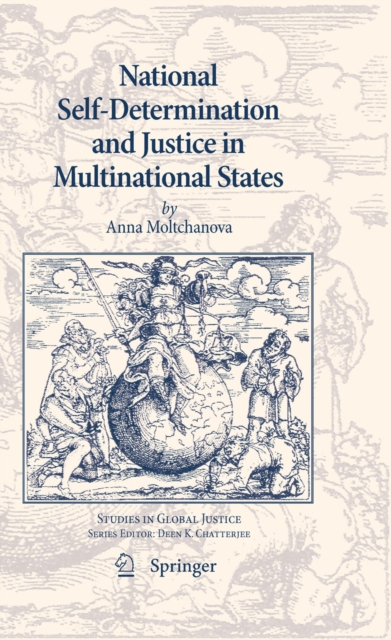
Substate nationalism, especially in the past fifteen years, has noticeably affected the political and territorial stability of many countries, both democratic and democratizing.
Culture and Cultural Entities provides an original philosophical analysis of the nature and explanation of cultural phenomena, with special attention to ontology and methodology.
Western philosophy has long nurtured the hope to resolve moral controversies through reason; thereby to secure moral direction and human meaning without the need for a defining encounter with God or the transcendent.
Inspired by Marcelo Dascal's theory of controversies, this volume includes studies in the theory of controversies, studies of the history of controversy forms and their evolution, and case-studies of particular historical and current controversies.
"Oggi ci troviamo di fronte a un bivio preciso, dobbiamo compiere una scelta di campo netta e distinta di fronte al moloch turismo che incombe su di noi.
The Way Beyond is a compact yet searching work of spiritual instruction, concerned with the soul's passage from personal striving into a higher realization of divine consciousness.
Con el desmantelamiento del estado social, las desigualdades han hecho explosión a escala planetaria como efecto de la globalización de la economía y del capital financiero y están en el origen de los problemas que amenazan el futuro de la democracia, de la convivencia pacífica y del mismo desarrollo económico: del hambre y la miseria a las migraciones de millones de personas que huyen de las guerras y de la pobreza, del desempleo a la explotación global del trabajo, de la crisis de la representación política a las amenazas contra el medio ambiente y otros bienes comunes, de los espacios abiertos a la criminalidad y al terrorismo hasta el estancamiento de la economía.
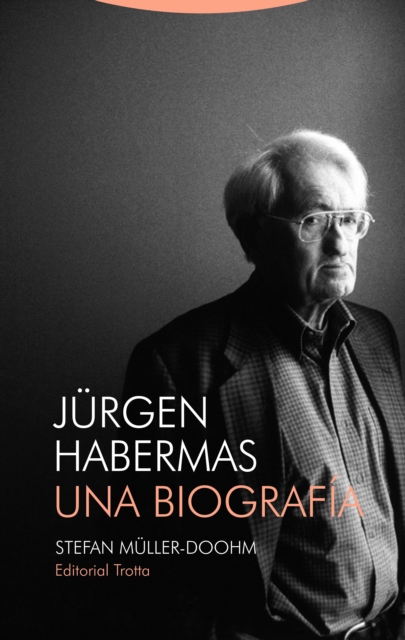
"Paladín de la modernidad" y "maestro de la comunicación", "polemista de Fráncfort" y "conciencia moral pública de la cultura política": tales son algunos de los epítetos de los que se ha hecho merecedor Jürgen Habermas.
En una sociedad donde el tema de la violencia está constantemente presente en los medios de comunicación que nos rodean, surgen diferentes interrogantes sobre ¿qué entendemos por violencia?
El Gobierno de la derecha encabezado por Mariano Rajoy había obtenido en las elecciones generales del 20 de noviembre de 2011 una amplia mayoría parlamentaria propiciada, más que por su ascenso electoral, por la debacle que sufrió el PSOE en estos comicios, con una pérdida de casi cuatro millones y medio de votos.
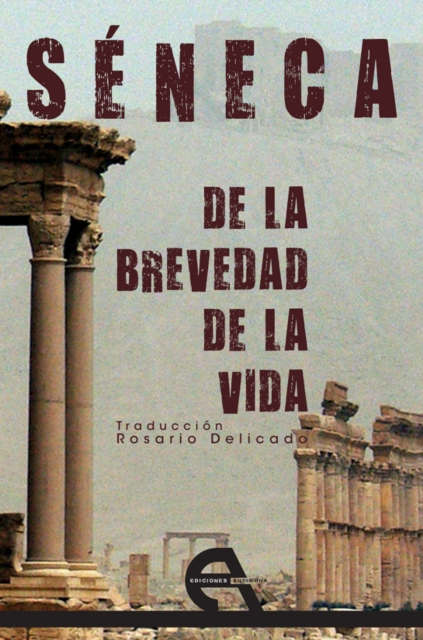
Con la frase el espacio que vivimos no es vida sino tiempo, Séneca nos introduce de lleno en la filosofía de la vida, en el hecho de vivir, en la brevedad de ese espacio de tiempo que se nos concede.
UN LIBRO DIFERENTE SOBRE FRANCO Y LAS ENTRAÑAS DEL FRANQUISMO, QUE NOS REVELA UNA NUEVA PERSPECTIVA DE LA HISTORIA CONTEMPORÁNEA DE ESPAÑA Y LA TRANSICIÓN.