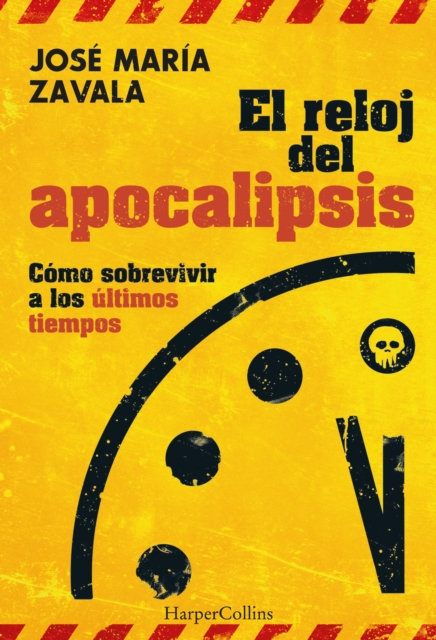
El reloj del fin del mundo, también llamado del apocalipsis, es un indicador científico sobre el riesgo de una hecatombe generalizada y las potenciales amenazas y riesgos catastróficos que pongan en peligro la existencia de la humanidad: guerra nuclear, pandemias, armas de destrucción masiva, fenómenos de la naturaleza como terremotos o erupciones volcánicas.
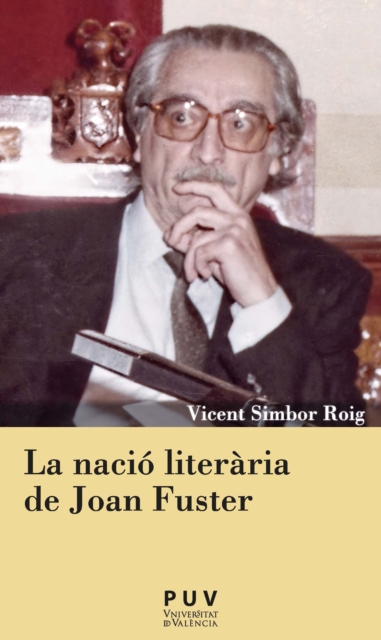
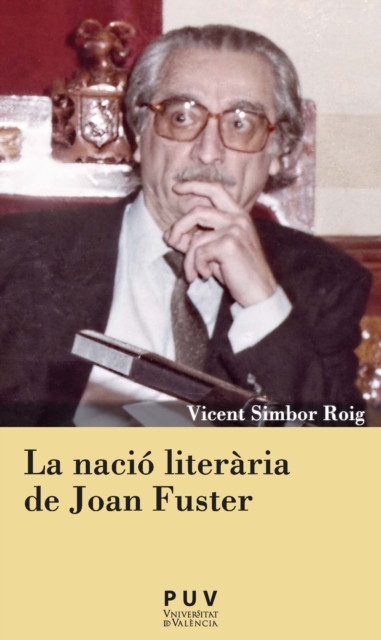
Des que, en l'últim terç del segle XVIII, Johann Gottfried Herder començà a difondre el seu concepte de "volkgeist" o esperit del poble, amb atenció especial a reivindicar la unió indestriable entre nació, llengua i literatura, s'obriren les portes a un replantejament global dels estats territorials europeus que els seus deixebles romàntics confirmarien i divulgarien al llarg del segle XIX, ajudant a la conformació dels estats nació contemporanis.
Des que, en l'últim terç del segle XVIII, Johann Gottfried Herder començà a difondre el seu concepte de "volkgeist" o esperit del poble, amb atenció especial a reivindicar la unió indestriable entre nació, llengua i literatura, s'obriren les portes a un replantejament global dels estats territorials europeus que els seus deixebles romàntics confirmarien i divulgarien al llarg del segle XIX, ajudant a la conformació dels estats nació contemporanis.
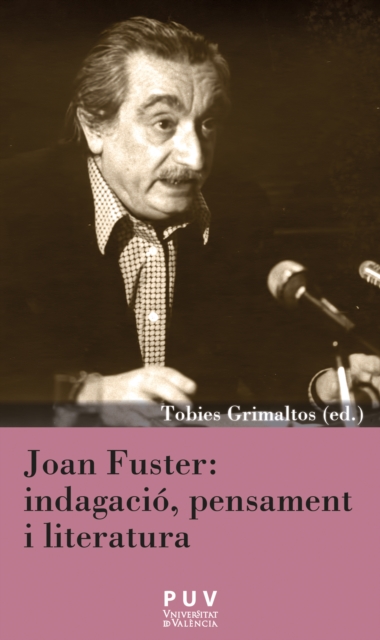
Aquest monogràfic sobre el pensament en l'obra de Joan Fuster, estructurat en cinc capítols, presenta des de diferents perspectives una part de la producció de l'escriptor.
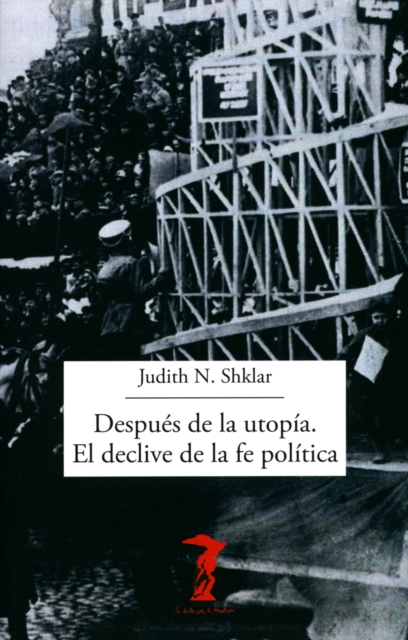
Despues de la utopia estudia el desarrollo de la filosofia politica a partir de la Ilustracion y hasta las manifestaciones mas relevantes del liberalismo conservador y la socialdemocracia.
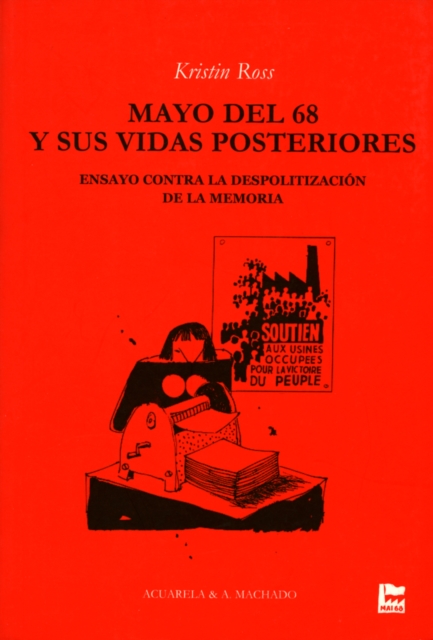
La memoria es un espacio de lucha: el recuerdo no es algo que el poder pueda dejar sin gobernar, sobre todo el recuerdo de un momento que cambió el curso de las vidas y la realidad misma.
Entre 1957 y 1965, junto a Cornelius Castoriadis, Claude Lefort, Jean-François Lyotard y otros muchos, Daniel Blanchard participa en las actividades del colectivo revolucionario Socialismo o Barbarie, que desarrolla una crítica radical de los regímenes del Este y del Oeste a partir del "revelador" que constituía la capacidad de autoorganización del movimiento obrero.
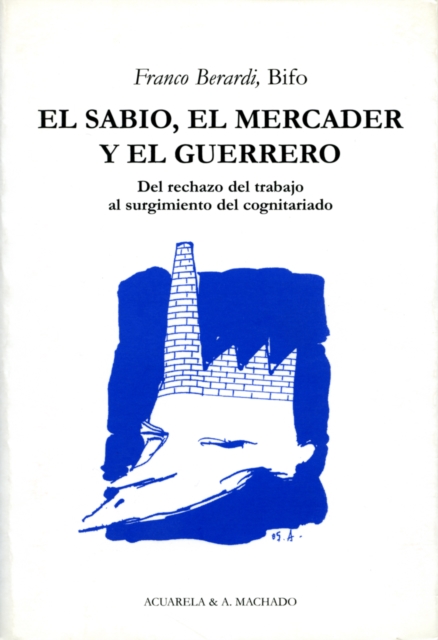
La historia del siglo xx es la historia del conflicto y las alianzas entre tres figuras: el sabio, portador de la inteligencia acumulada en infinitos gestos de producción, creación y reflexión; el mercader, que convierte los productos de la inteligencia humana en mercancía, y el guerrero, expresión de la violencia que regula la relación entre inteligencia y mercancía, entre saber y técnica.
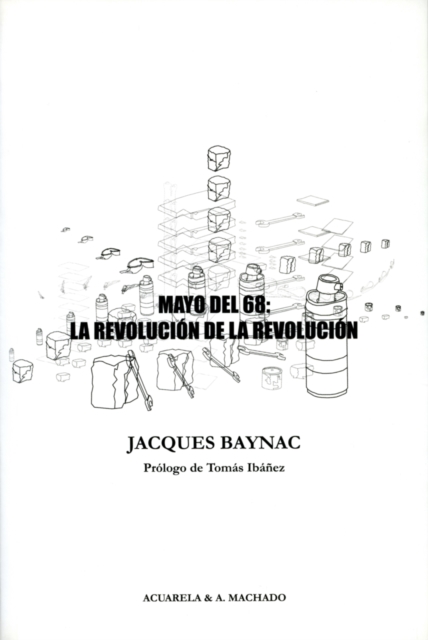
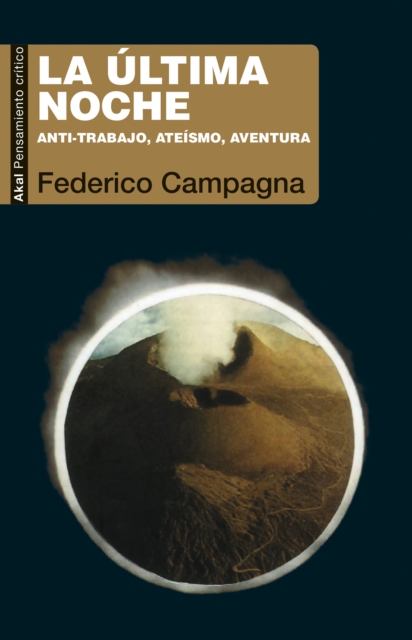
Mayo del 68: quizá por primera vez en la historia se manifiesta una fuerza revolucionaria creada por la abundancia y no por la penuria, una fuerza que no quiere morir por la revolución, sino vivir gracias a ella, que quiere cambiar el mundo y la vida, pero rechaza tomar el poder para hacerlo.
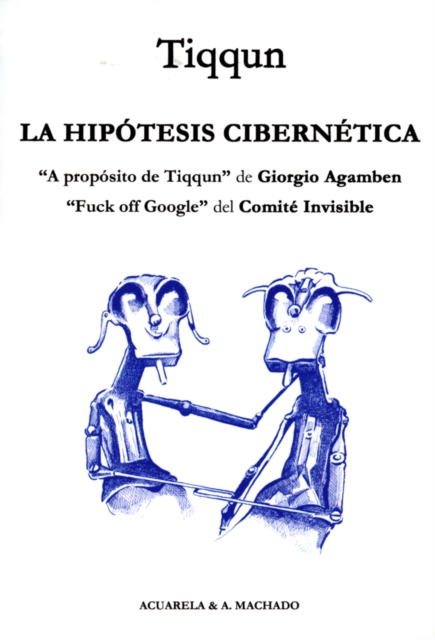
Según Tiqqun, vivimos en el tránsito entre el paradigma soberano del poder (vertical, estático, centralizado) y el cibernético (horizontal, dinámico, distribuido).
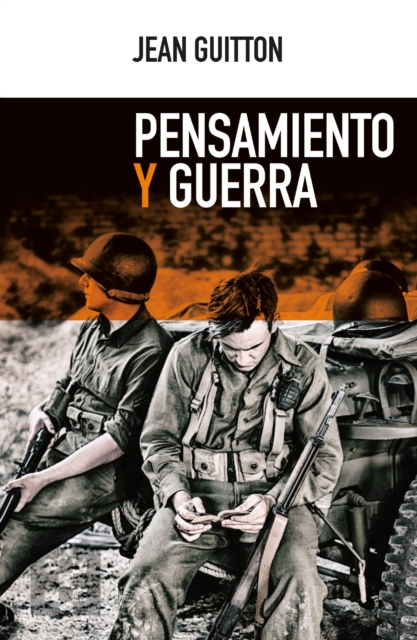
A mediados del siglo XX, en plena Guerra Fría, el filósofo francés Jean Guitton impartió una serie de conferencias centradas en el papel de la estrategia, su esencia y sus principios.
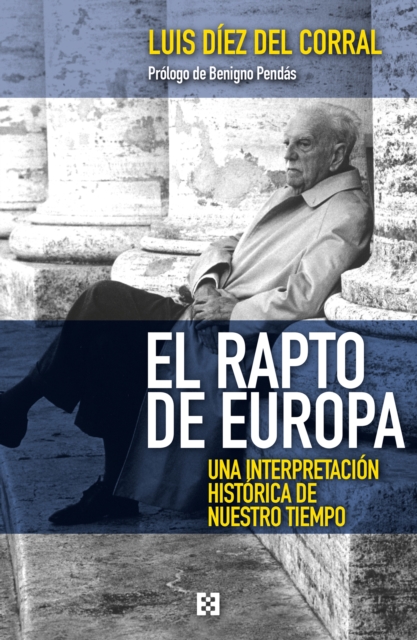
El rapto de Europa, obra cumbre del jurista, filósofo e historiador de las ideas políticas Luis Díez del Corral, constituye uno de los más importantes proyectos de interpretación histórica sobre Europa elaborados en el siglo XX, además de un lúcido diagnóstico profético de la incertidumbre que se ha ido apoderando en las últimas décadas de este singular continente.
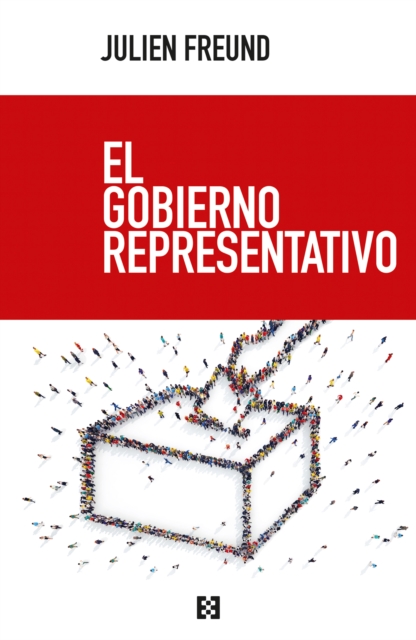
En estos tres artículos, que aparecen por primera vez en castellano, bosqueja el autor, junto a una teoría general de la representación política, una relectura del problema permanente de la clasificación de los regímenes, destacando particularmente el tratamiento de la cuestión de las causas de la corrupción de todas las formas de gobierno, incluida la democracia.
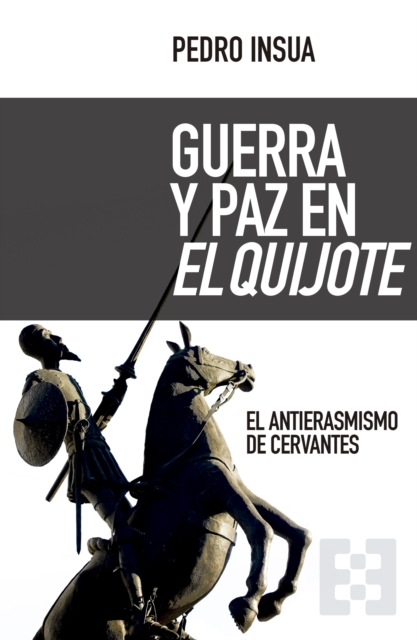
El presente ensayo analiza determinados aspectos doctrinales relativos a las ideas sobre la paz y la guerra sostenidas por Cervantes en El Quijote con una intención polémica: probar el absurdo de aquellas tesis, tan en boga, que defienden el supuesto erasmismo europeísta de Cervantes.
A mediados del siglo XX, en plena Guerra Fría, el filósofo francés Jean Guitton impartió una serie de conferencias centradas en el papel de la estrategia, su esencia y sus principios.
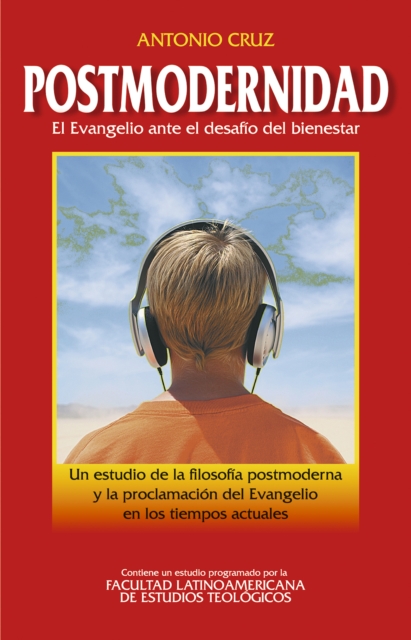
El concepto de "época moderna" —desarrollado por el filósofo Hegel—, ha servido para etiquetar el pensamiento y estilo de vida de la sociedad occidental desde finales de la Edad Media hasta nuestros días.
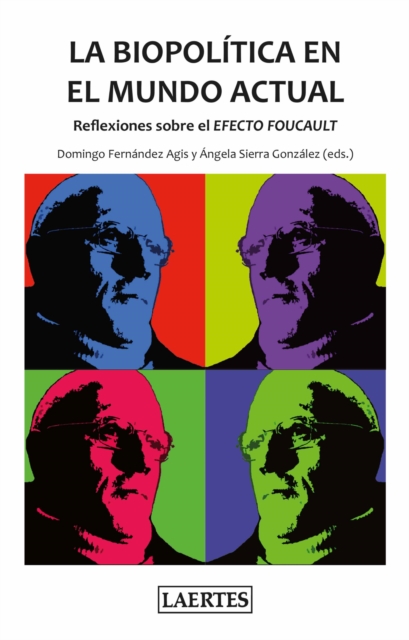
En su origen, la aplicación del concepto de biopolítica como directriz pragmática está vinculada a una interpretación organicista del Estado, que considera a este un todo orgánico susceptible de padecer perturbaciones y enfermedades análogas a las que puede sufrir un cuerpo vivo ante la presencia de ciertos elementos patógenos.
Die Würde eines Volkes besteht in seiner Fähigkeit und seinem Bedürfnis von der Würde des Einzelnen zu lehren und zu lernen -- und sich lehren zu lassen.
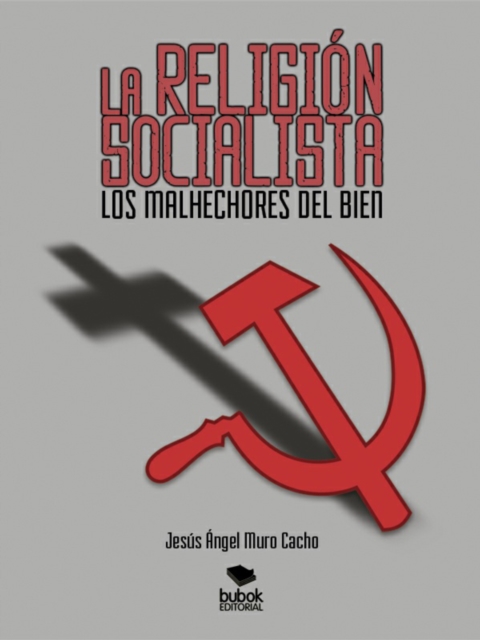
Esta obra de Jesús Ángel Muro no pretende ser un tratado filosófico, sino aportar una visión diferente del socialismo, sobre todo, a los jóvenes, para que tenga una nueva forma de enfrentarse a la vida y a la política.
Critical theory emerged in the 1920s from the work of the Frankfurt School, the circle of German-Jewish academics who sought to diagnose -- and, if at all possible, cure -- the ills of society, particularly fascism and capitalism.
En este libro escrito al ritmo de los acontecimientos provocados por la covid-19, Boaventura de Sousa Santos realiza, entre el miedo y la esperanza, un brillante análisis que trata de extraer las muchas lecciones que parece estar dándonos una pandemia que ha intensificado las desigualdades y discriminaciones sociales.
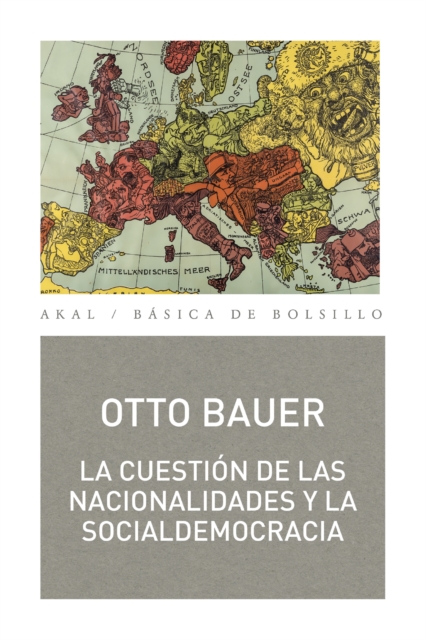
La cuestión de las nacionalidades y la socialdemocracia, publicado por Otto Bauer (1881-1938) en 1907, está considerado como uno de los estudios más brillantes y lúcidos del marxismo acerca del problema nacional, cuyos planteamientos sorprenden por su validez y persistencia.
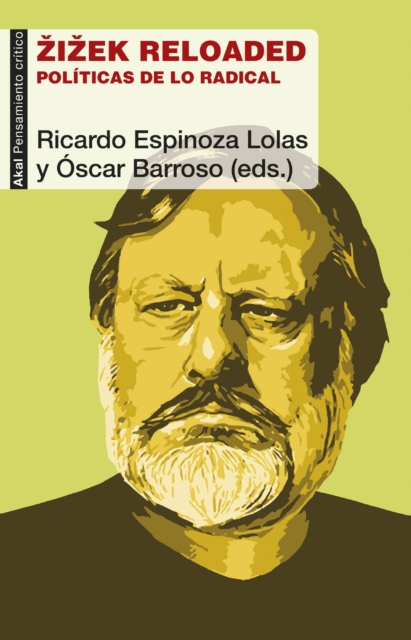
Entre el 21 y el 25 de septiembre de 2015, Slavoj Žižek congregó en Granada a estudiantes, jóvenes investigadores y profesores para pensar juntos, profunda y radicalmente, nuestro tiempo desde los supuestos fundamentales de su obra.
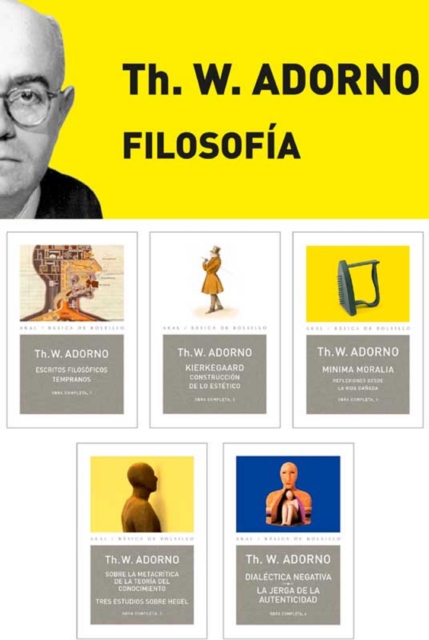
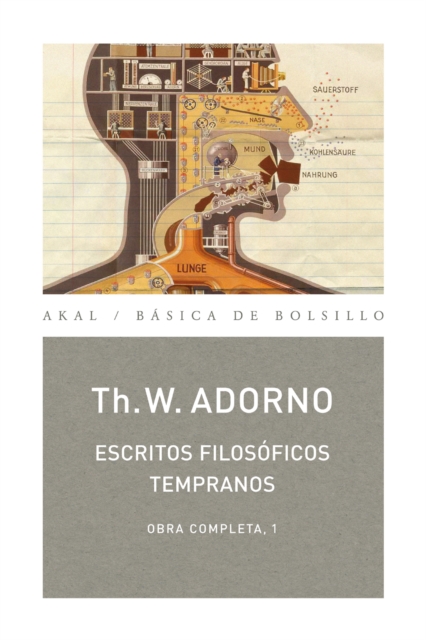
Adorno, que desde 1922 desarrolló una actividad sumamente fructífera como teórico y crítico musical, no publicó su primer trabajo propiamente filosófico -el libro sobre Kierkegaard- hasta 1933.
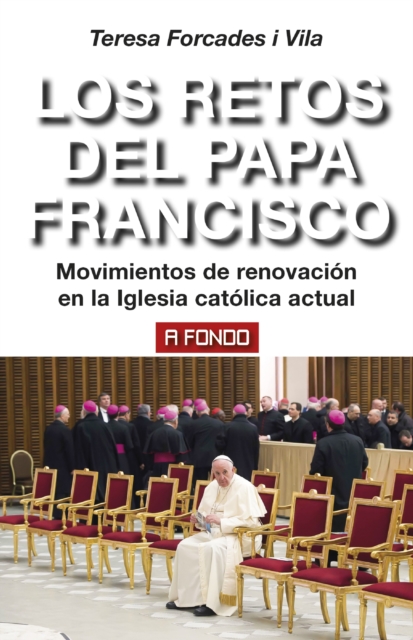
En esta brillante obra Teresa Forcades examina las expectativas abiertas por el Papa Francisco y los presupuestos teóricos necesarios para abordar la renovación de la Iglesia pero, sobre todo, nos habla de las cuestiones más espinosas a las que se enfrenta el Vaticano y de los movimientos de renovación que pugnan desde dentro por impulsar un nuevo aggiornamento o "puesta al día" eclesial.
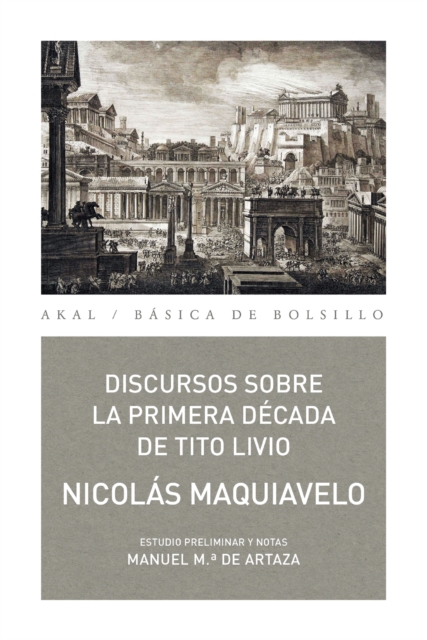
En contraste con la defensa de la monarquía que hace Maquiavelo en El príncipe, los Discursos proponen la república como el sistema político ideal, dado que, bien organizada, permite participar tanto a grandes como a comunes para contener así los conflictos políticos habituales entre ellos.
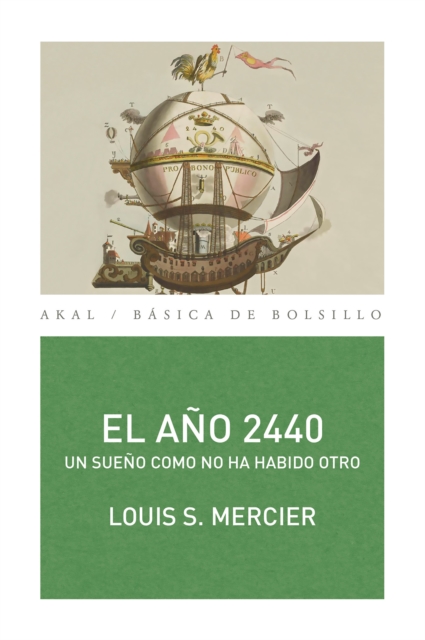
Tras pasar una velada con un amigo inglés y mantener un vivo debate filosófico con él, Mercier se duerme para despertarse 700 años después en un París profundamente transformado.
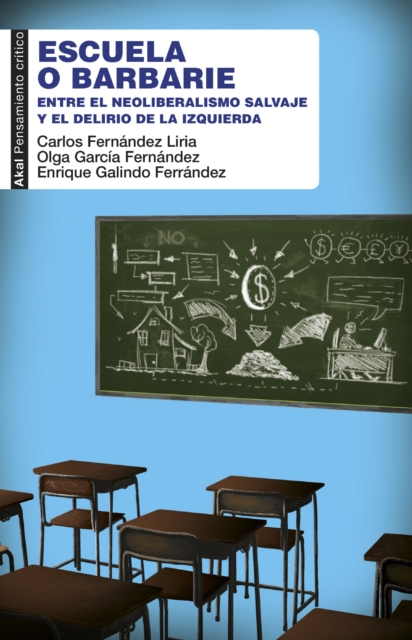
Desde hace décadas venimos asistiendo al bochornoso espectáculo de una sucesión de reformas educativas –llevadas a cabo por gobiernos de todos los colores– siempre fallidas, pero siempre funcionales a unos intereses espurios.
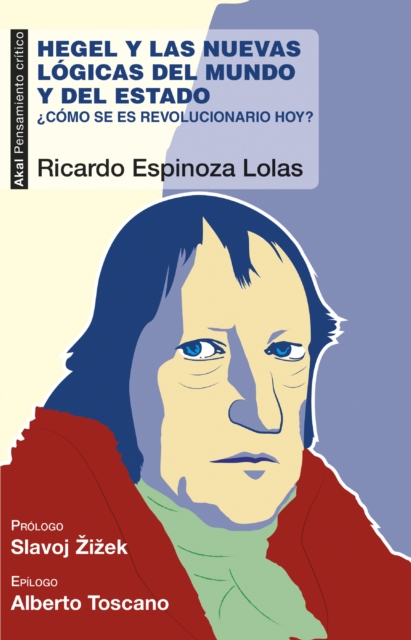
Cuando, a mediados de 1914, el mundo conocido se hundía en el abismo, Lenin realizó en Berna lo imposible: leer entre líneas la Wissenschaft der Logik de Hegel.
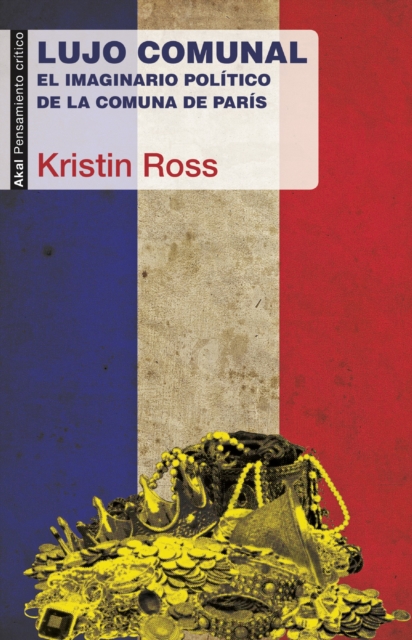
En el nuevo trabajo de Kristin Ross sobre el pensamiento y la cultura legados por la Comuna parisina de 1871 reverberan los motivos y acciones que informan las protestas y rebeliones de nuestros días, cuya expresión más poderosa hallamos en la toma del espacio público.
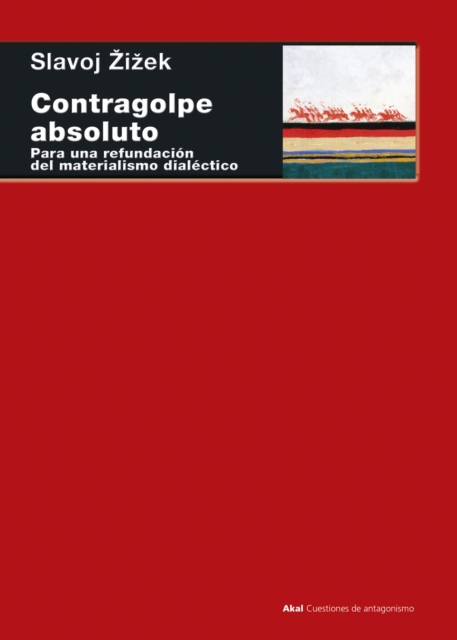
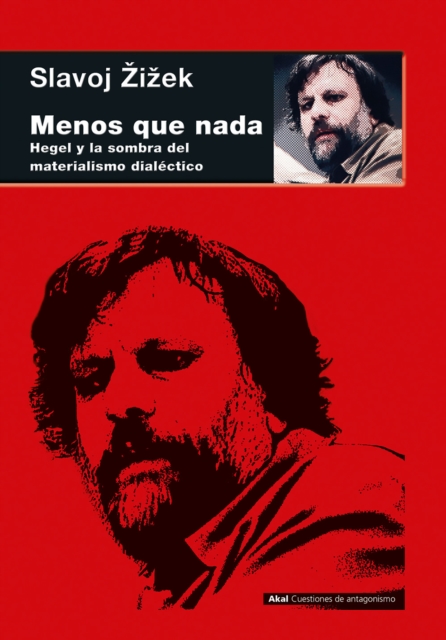
El materialismo filosófico, en todas sus variantes –desde el naturalismo científico hasta el nuevo materialismo deleuziano–, ha fracasado a la hora de afrontar los principales retos teóricos y políticos de la modernidad.
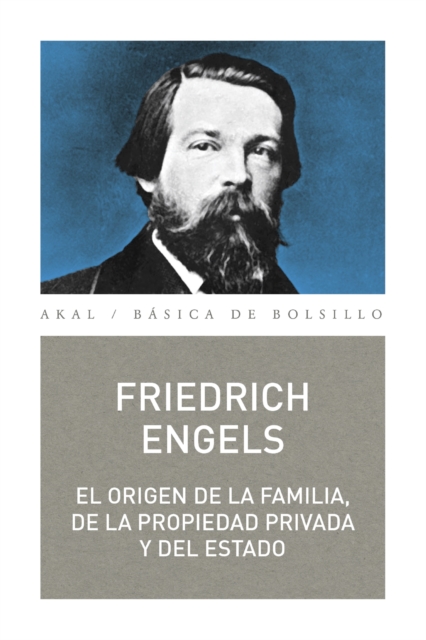
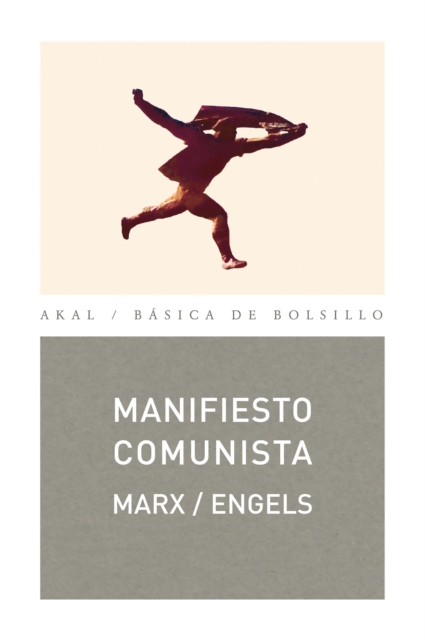
El "Manifiesto comunista" es considerado como una pieza clave para la comprensión del pensamiento marxista, puesto que en él Karl Marx y Friedrich Engels expusieron las bases de sus teorías políticas, económicas y sociales.
Durante los dos últimos siglos, la filosofía occidental se ha desarrollado a la sombra de Hegel, de cuya imponente influencia cada nuevo pensador trata –en vano– de escapar, ya sea en nombre de la voluntad prerracional, del proceso social de producción o de la contingencia de la existencia individual.
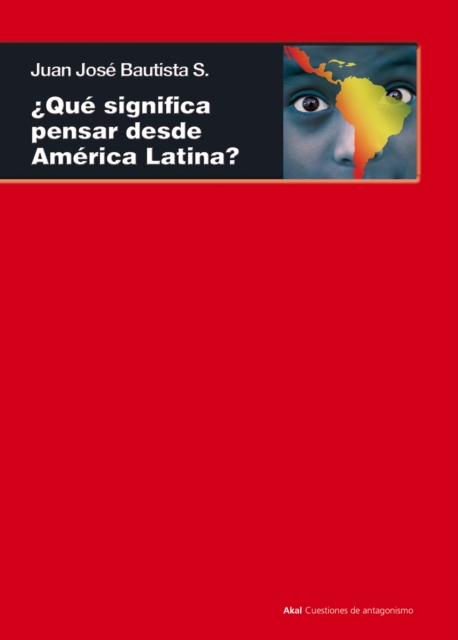
Transformar nuestra actual forma de vida en otra distinta en la que sea posible la vida digna de toda la humanidad y también la supervivencia de la naturaleza, requiere la elaboración de otro tipo de conocimiento, racionalidad y sabiduría.
Nuestra época está infestada de fantasmas: existe un antagonismo cada vez mayor entre el proceso de abstracción acelerada de nuestras vidas -sea en el ámbito del universo digital o de las relaciones mercantiles- y el diluvio de imágenes pseudoconcretas que nos rodean.