Chinese Subjectivities and the Beijing Olympics develops the Foucauldian concept of productive power through examining the ways in which the Chinese government tried to mobilize the population to embrace its Olympic project through deploying various sets of strategies and tactics.
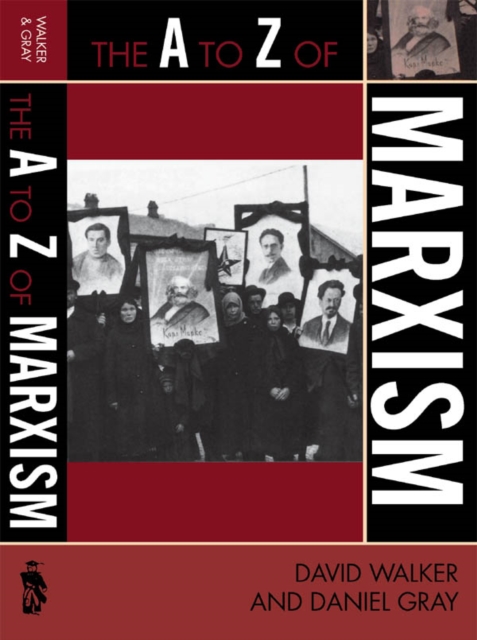
Marxism, one of the few philosophies that turned into an effective movement, not so long ago was the official ideology in one form or another of much of humanity.
Chinese Subjectivities and the Beijing Olympics develops the Foucauldian concept of productive power through examining the ways in which the Chinese government tried to mobilize the population to embrace its Olympic project through deploying various sets of strategies and tactics.
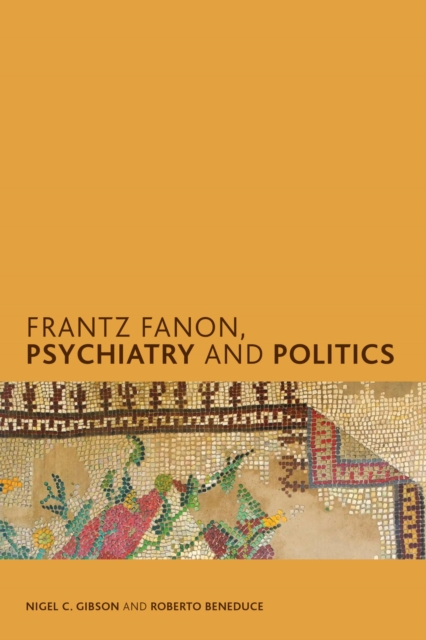
The revolutionary and psychiatrist Frantz Fanon was a foundational figure in postcolonial and decolonial thought and practice, yet his psychiatric work still has only been studied peripherally.
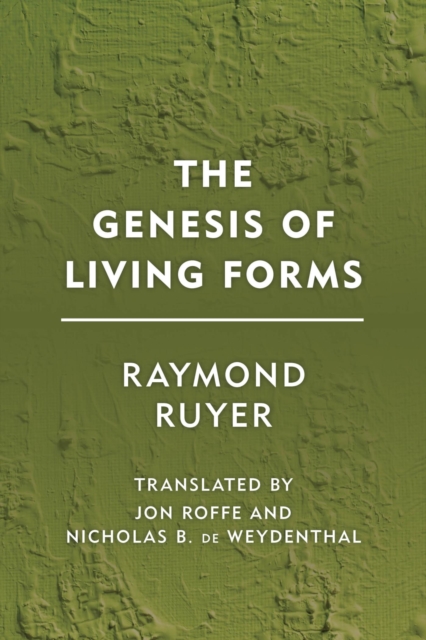
The philosophy of Raymond Ruyer was an important if subterranean influence on twentieth-century French thought, and explicitly engaged with by figures such as Maurice Merleau-Ponty, Georges Canguilhem, Gilbert Simondon, and Gilles Deleuze.
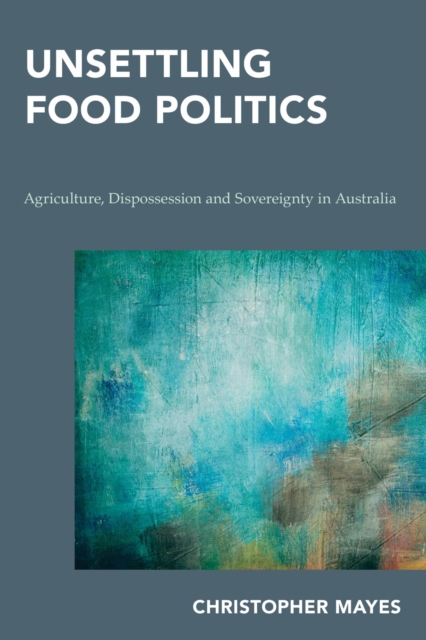
Over the past 25 years, activists, farmers and scholars have been arguing that the industrialized global food system erodes democracy, perpetuates injustices, undermines population health and is environmentally unsustainable.
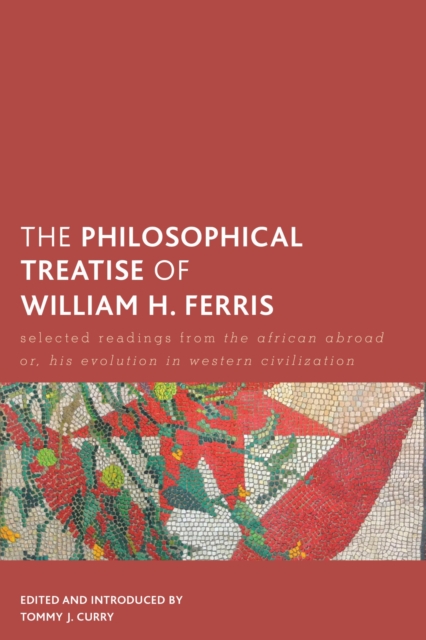
There exists a very rich, but largely untapped well of African American philosophical thought, in which many Black thinkers were debating the role philosophy played in racial advancement among themselves.
In this important new book, Daniel Loick argues that in order to become sensible to the violence imbedded in our political routines, philosophy must question the current forms of political community - the ways in which it organizes and executes its decisions, in which it creates and interprets its laws - much more radically than before.
The philosophy of Raymond Ruyer was an important if subterranean influence on twentieth-century French thought, and explicitly engaged with by figures such as Maurice Merleau-Ponty, Georges Canguilhem, Gilbert Simondon, and Gilles Deleuze.
In this important new book, Daniel Loick argues that in order to become sensible to the violence imbedded in our political routines, philosophy must question the current forms of political community - the ways in which it organizes and executes its decisions, in which it creates and interprets its laws - much more radically than before.
Michel Foucault's account of the subject has a double meaning: it relates to both being a "e;subject of"e; and being "e;subject to"e; political forces.
There exists a very rich, but largely untapped well of African American philosophical thought, in which many Black thinkers were debating the role philosophy played in racial advancement among themselves.
The revolutionary and psychiatrist Frantz Fanon was a foundational figure in postcolonial and decolonial thought and practice, yet his psychiatric work still has only been studied peripherally.
Over the past 25 years, activists, farmers and scholars have been arguing that the industrialized global food system erodes democracy, perpetuates injustices, undermines population health and is environmentally unsustainable.
Complicity argues that all existing modes of cultural critique are regarded as legitimate and productive if and only if they are complicit with the very ideologies and values that the criticism sets out to undermine.
Simone Weil is an often-overlooked thinker whose insights could radically reshape contemporary discourses on religion, nature, art, ethics, work, politics, and education.
Marxism, one of the few philosophies that turned into an effective movement, not so long ago was the official ideology in one form or another of much of humanity.
As a broad critique and invitation to reframe the study of ethics, Problem-Based Ethics welcomes scholars and students across disciplines to engage with ethics as a way to explore pervasive questions of our society and human existence.
As a broad critique and invitation to reframe the study of ethics, Problem-Based Ethics welcomes scholars and students across disciplines to engage with ethics as a way to explore pervasive questions of our society and human existence.
The Marxian theory of fetishism is usually interpreted as a theory of false consciousness, alienation, or reification pertaining to commodities or culture.
This book examines the convergence of emotion, reason, and culture in the development of value theory from modern phenomenology to contemporary debate.
Addresses the pressing need for a liberatory critical theory that is responsive to contemporary challenges, exploring the intersections between Herbert Marcuse's critical theory and Africana and Caribbean theory.
Addresses the pressing need for a liberatory critical theory that is responsive to contemporary challenges, exploring the intersections between Herbert Marcuse's critical theory and Africana and Caribbean theory.