Feminist philosophers Barrett Emerick and Audrey Yap bring theoretical arguments about personhood and moral repair into conversation with the work of activists and the experiences of incarcerated people to make the case that prisons ought to be abolished.
Creolizing Hannah Arendt is the first book to explore the implications of creolizing Hannah Arendt (1906-75) and thinking for: action, liberation, freedom, power, democracy, identity, racism, prejudice, totalitarianism, immigration, judgment, revolution, decolonial politics, the human, and the modern traditions of Caribbean political thought, Africana philosophy, and existential phenomenology.
Creolizing Hannah Arendt is the first book to explore the implications of creolizing Hannah Arendt (1906-75) and thinking for: action, liberation, freedom, power, democracy, identity, racism, prejudice, totalitarianism, immigration, judgment, revolution, decolonial politics, the human, and the modern traditions of Caribbean political thought, Africana philosophy, and existential phenomenology.
Creolizing Critical Theory highlights the Caribbean as a philosophical site from which, for centuries and until today, theorists have articulated pressing critiques of capitalism and colonialism.
This book provides an insight into the everyday lives and experiences of people who live with dogs as companions; and glimpses aspects of the lives of the dogs who share their homes.
This collection of essays aims to investigate the complex issues surrounding contemporary cultural discourses on land and identity - their production, construction, and reconstruction across a range of different texts and materials.
Creolizing Critical Theory highlights the Caribbean as a philosophical site from which, for centuries and until today, theorists have articulated pressing critiques of capitalism and colonialism.
Social robots are an increasingly integral part of society, already appearing as customer service assistants, care-home helpers, teaching assistants and personal companions.
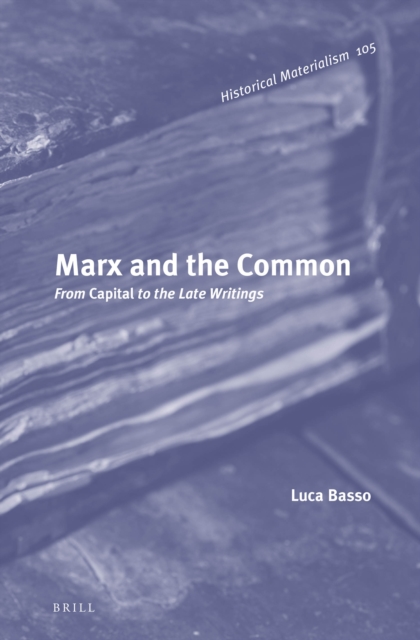
In Marx and the Common, Luca Basso provides a detailed reconstruction of the late Marx's connection of the collective dimension of communism and the element of individual realisation.
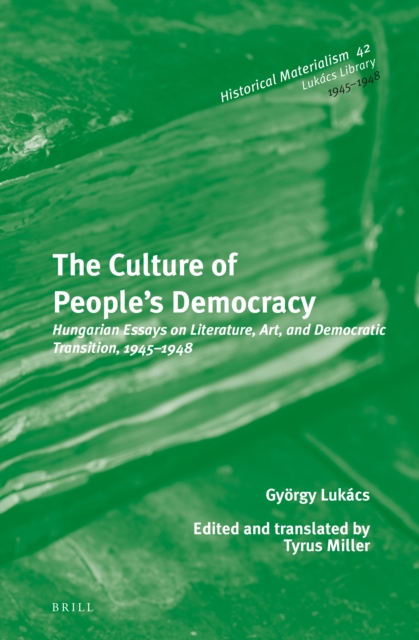
When the Hungarian Marxist philosopher and literary critic Gyorgy Lukacs returned to Hungary from Moscow after World War II, he engaged in a highly active phase of writing and speaking about the democratic culture needed to exorcise the remnants of fascism and to create the conditions for the advance of socialism in Central Europe.
Social robots are an increasingly integral part of society, already appearing as customer service assistants, care-home helpers, teaching assistants and personal companions.
Peace, Culture, and Violence examines deeper sources of violence by providing a critical reflection on the forms of violence that permeate everyday life and our inability to recognize these forms of violence.
For the first time, this book presents to Western readers a current in the late Soviet philosophy of the 1960s and 1970s known as the 'activity approach'.
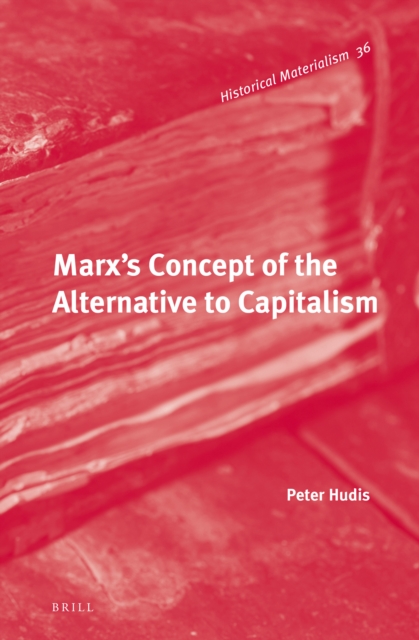
In contrast to the traditional view that Marx's work is restricted to a critique of capitalism and does not contain a detailed or coherent conception of its alternative, this book shows, through an analysis of his published and unpublished writings, that Marx was committed to a specific concept of a post-capitalist society that informed his critique of value production, alienated labor and capitalist accumulation.
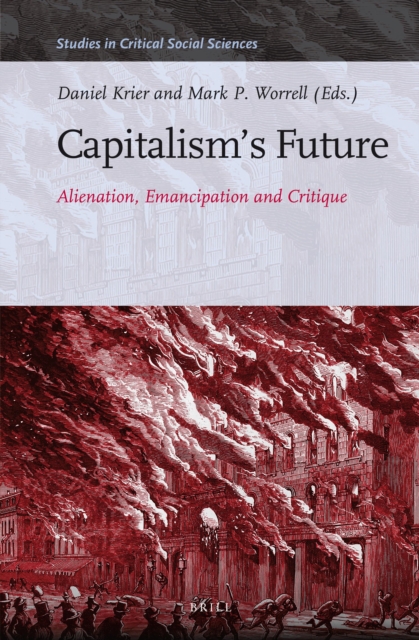
Capitalisms' Future: Alienation, Emancipation and Critique frames 21st century economic and social possibilities in a dialogue between two forms of critical social theory: Marx's critique of political economy that analyzes capitalism and the critique of political psychology that analyzes authoritarianism.
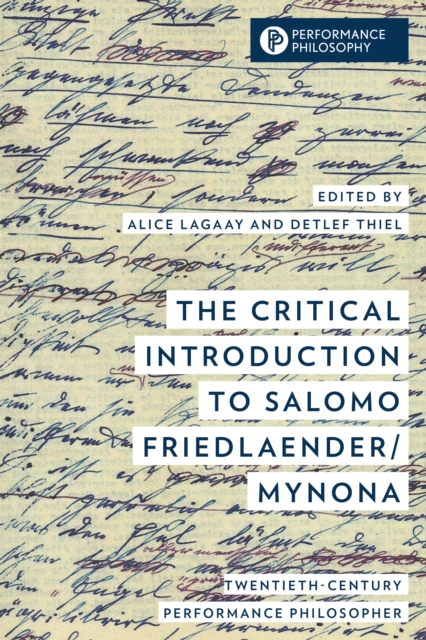
Salomo Friedlaender/Mynona (1871-1946) was a prominent, eccentric and influential figure in late Imperial Germany, Expressionism, Dadaism, and the Weimar Republic.
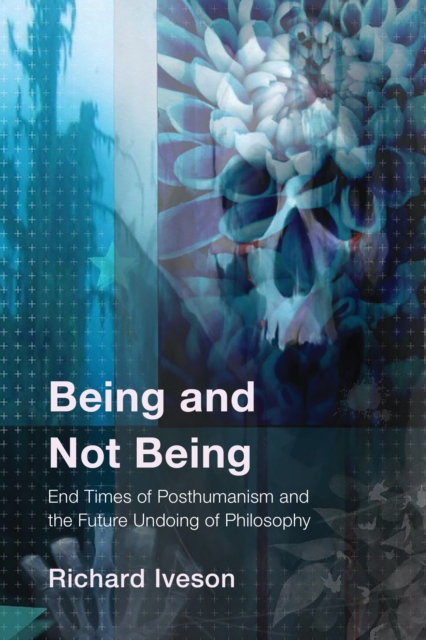
Against the grain of many contemporary theoretical positions that indulge in delusions of safety and certainty, Being and Not Being argues that contingency is definitive of the structure of being itself.
Feminist philosophers Barrett Emerick and Audrey Yap bring theoretical arguments about personhood and moral repair into conversation with the work of activists and the experiences of incarcerated people to make the case that prisons ought to be abolished.
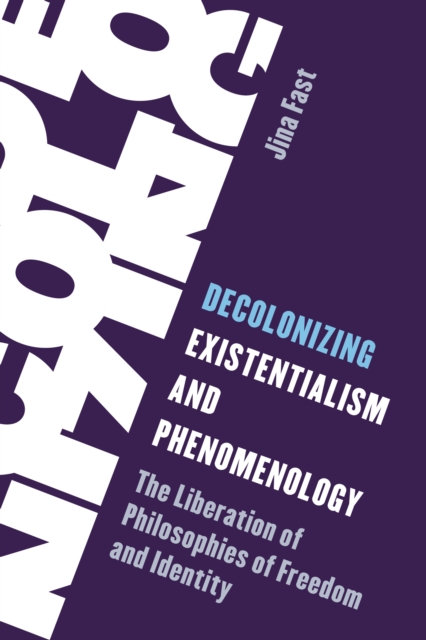
Decolonizing Existentialism and Phenomenology analyzes the history of decolonial existentialist and phenomenological theory in the work of figures such as Simone de Beauvoir, Richard Wright, Franz Fanon, Lewis Gordon, Audre Lorde, Sylvia Wynter, and Jamaica Kincaid in order to reimagine and rewrite the philosophical canon.
Decolonizing Existentialism and Phenomenology analyzes the history of decolonial existentialist and phenomenological theory in the work of figures such as Simone de Beauvoir, Richard Wright, Franz Fanon, Lewis Gordon, Audre Lorde, Sylvia Wynter, and Jamaica Kincaid in order to reimagine and rewrite the philosophical canon.
The Automated Self explores meta-theoretical issues in the philosophy of artificial intelligence, combining it with themes from philosophy of science and technology, media and communication studies, and ethics.
The Automated Self explores meta-theoretical issues in the philosophy of artificial intelligence, combining it with themes from philosophy of science and technology, media and communication studies, and ethics.
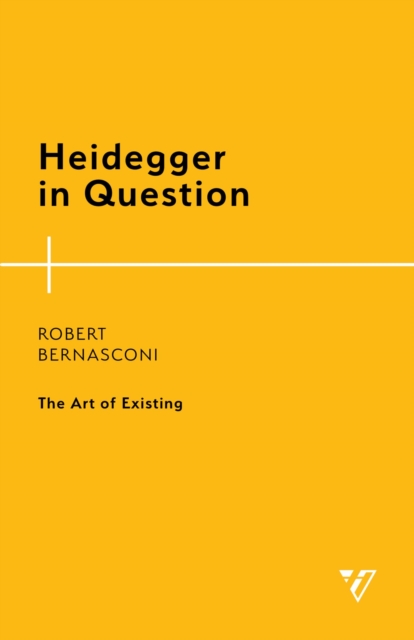
Robert Bernasconi explores in the context of Heidegger's thought a number of questions of far-reaching concern: what is the role of literary examples within philosophy?
In this book, Edward Erler brings a lifetime of study of political philosophy, the American founding, and the US constitution to the central role of property in American constitutional thought.
Against the grain of many contemporary theoretical positions that indulge in delusions of safety and certainty, Being and Not Being argues that contingency is definitive of the structure of being itself.
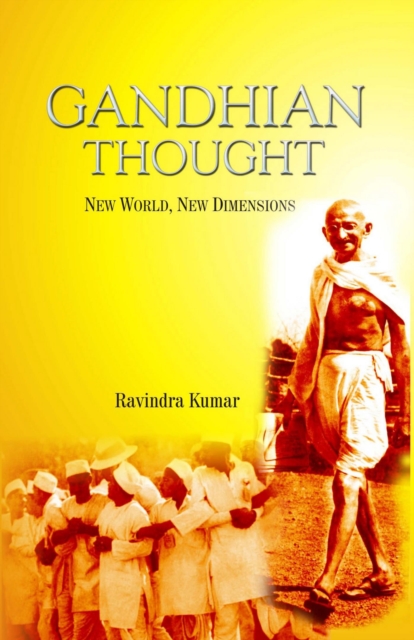
If there is only one book about Mohandas Karamchand Gandhi that you need to read today, make ';Gandhian Thought, New World, New Dimensions' by Ravindra Kumar be the book.
Robert Bernasconi explores in the context of Heidegger's thought a number of questions of far-reaching concern: what is the role of literary examples within philosophy?
In this book, Edward Erler brings a lifetime of study of political philosophy, the American founding, and the US constitution to the central role of property in American constitutional thought.
This book provides an insight into the everyday lives and experiences of people who live with dogs as companions; and glimpses aspects of the lives of the dogs who share their homes.
Salomo Friedlaender/Mynona (1871-1946) was a prominent, eccentric and influential figure in late Imperial Germany, Expressionism, Dadaism, and the Weimar Republic.