This is one of the first systematic discussions of the nature of trust as a means of social cohesion, discussing the works of leading social theorists on the issue of social solidarity.
Focusing on contemporary debates in moral and political theory, Situating the Self argues that a non-relative ethics, binding on us in virtue of out humanity, is still a philosophically viable project.
All major western countries today contain groups that differ in their religious beliefs, customary practices or ideas about the right way in which to live.
Paradoxes are arguments that lead from apparently true premises, via apparently uncontroversial reasoning, to a false or even contradictory conclusion.
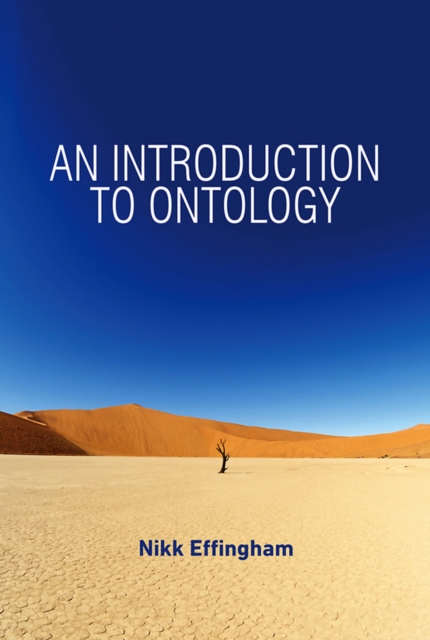
In this engaging and wide-ranging new book, Nikk Effingham provides an introduction to contemporary ontology - the study of what exists - and its importance for philosophy today.
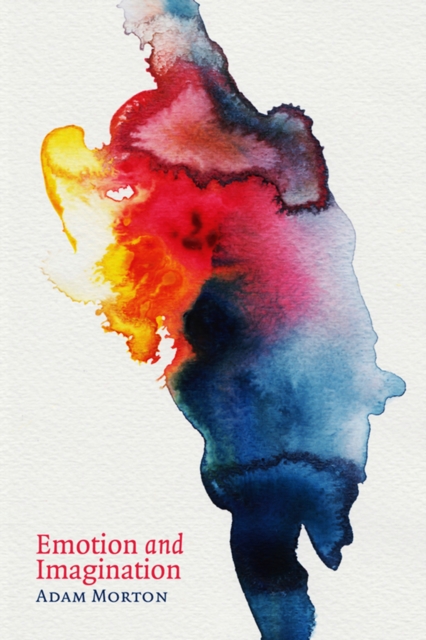
Recent years have seen an enormous amount of philosophical research into the emotions and the imagination, but as yet little work has been done to connect the two.
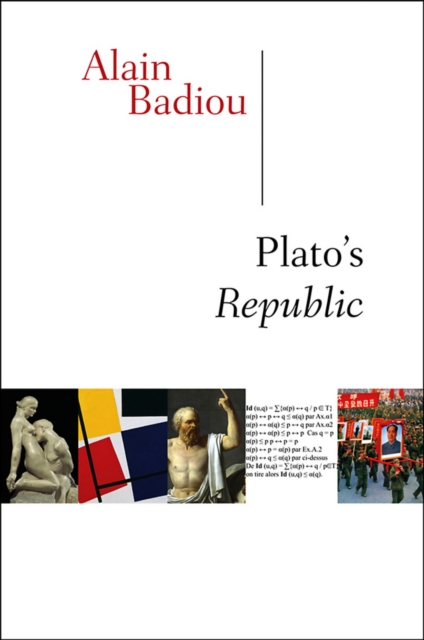
Plato's Republic is one of the most well-known and widely discussed texts in the history of philosophy, but how might we get to the heart of this work today, 2500 years after it was originally composed?
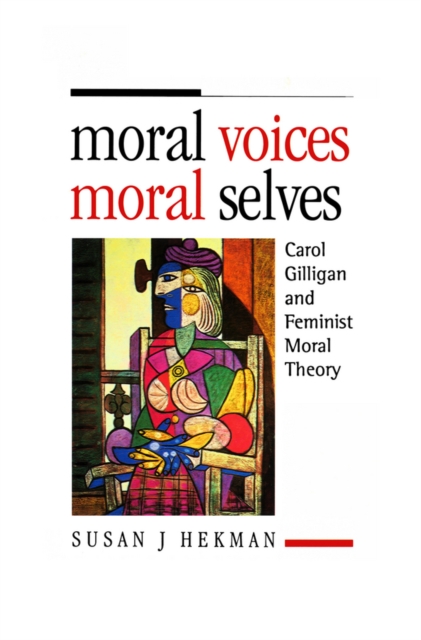
Since the publication of her landmark book In a Different Voice, Carol Gilligan has transformed the way we think about women and men and the relations between them.
Introductions to the theory of knowledge are plentiful, but none introduce students to the most recent debates that exercise contemporary philosophers.
In The Excessive Subject: A New Theory of Social Change, Molly Anne Rothenberg uncovers an innovative theory of social change implicit in the writings of radical social theorists, such as Pierre Bourdieu, Michel de Certeau, Judith Butler, Ernesto Laclau, and Slavoj ?
The global financial crisis has shattered the illusion that all was well with capitalism and forced us to confront the great challenges we face today with a new sense of urgency.
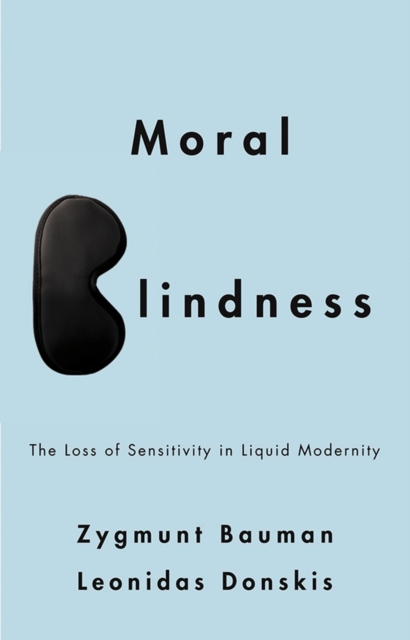
In this new book, Bauman examines how we have moved away from a 'heavy' and 'solid', hardware-focused modernity to a 'light' and 'liquid', software-based modernity.
How the rabbis of the Talmud transformed everything into a legal question-and Jewish law into a way of thinking and talking about everythingThough typically translated as "e;Jewish law,"e; the term halakhah is not an easy match for what is usually thought of as law.
Why most modern revolutions have ended in bloodshed and failure-and what lessons they hold for today's world of growing extremismWhy have so many of the iconic revolutions of modern times ended in bloody tragedies?
An engaging and illuminating exploration of grief-and why, despite its intense pain, it can also help us growExperiencing grief at the death of a person we love or who matters to us-as universal as it is painful-is central to the human condition.
Australia's much-loved author David Malouf presents a dazzling and illuminating personal essay on the power of imagination-and its effects on the life of a writer-in this first instalment of a collectible new series.
In On Beauty Susan Johnson explores the role of beauty in our lives, and in her life in particular: 'Sometimes I think my whole life has been one long search for beauty.