This carefully crafted ebook: "e;The Ethics of Immanuel Kant: Metaphysics of Morals - Philosophy of Law & The Doctrine of Virtue + Perpetual Peace + The Critique of Practical Reason: Theory of Moral Reasoning"e; is formatted for your eReader with a functional and detailed table of contents.
At a time when the label "e;conservative"e; is indiscriminately applied to fundamentalists, populists, libertarians, fascists, and the advocates of one or another orthodoxy, this volume offers a nuanced and historically informed presentation of what is distinctive about conservative social and political thought.
In the third in a new series of short, provoking books of original philosophy, acclaimed thinker Barry Dainton takes us through the nature of SelfWhen you think 'What am I?
Wall Street Journal BestsellerHave you ever wondered why we spend so much time and energy thinking about the big challenges in our lives when all the evidence proves it's actually the little things that change everything?
A new account of global justice that recovers anticolonial thought for resisting a neocolonial agePoliticians and activists today turn to the language of decolonization to call attention to such issues as cultural and linguistic decline, exploitative foreign investment, and global institutions dominated by superpowers.
A compelling portrait of Mary Wollstonecraft that shows the intimate connections between her life and workMary Wollstonecraft's A Vindication of the Rights of Woman, first published in 1792, is a work of enduring relevance in women's rights advocacy.
A trenchant defense of hierarchy in different spheres of our lives, from the personal to the politicalAll complex and large-scale societies are organized along certain hierarchies, but the concept of hierarchy has become almost taboo in the modern world.
An original and provocative exploration of our capacity to ignore what is inconvenient or traumaticIgnorance, whether passive or active, conscious or unconscious, has always been a part of the human condition, Renata Salecl argues.
Why leaders, not citizens, are the driving force in Europe's crisis of democracyAn apparent explosion of support for right-wing populist parties has triggered widespread fears that liberal democracy is facing its worst crisis since the 1930s.
This book is comprised of essays previously published in Philosophy & Public Affairs and also an extended excerpt from Michael Walzer's Just and Unjust Wars.
Why life's shortness-more than anything else-is what makes it meaningfulDeath might seem to render pointless all our attempts to create a meaningful life.
Why "e;aporophobia"e;-rejection of the poor-is one of the most serious problems facing the world today, and how we can fight itIn this revelatory book, acclaimed political philosopher Adela Cortina makes an unprecedented assertion: the biggest problem facing the world today is the rejection of poor people.
How the utopian tradition offers answers to today's environmental crisesIn the face of Earth's environmental breakdown, it is clear that technological innovation alone won't save our planet.
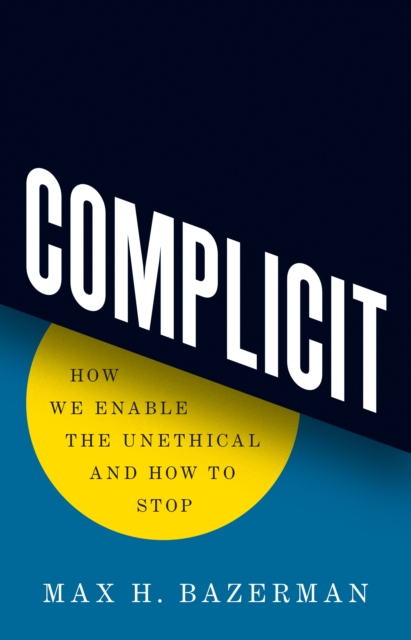
What all of us can do to fight the pervasive human tendency to enable wrongdoing in the workplace, politics, and beyondIt is easy to condemn obvious wrongdoers such as Elizabeth Holmes, Harvey Weinstein, and the Sackler family.
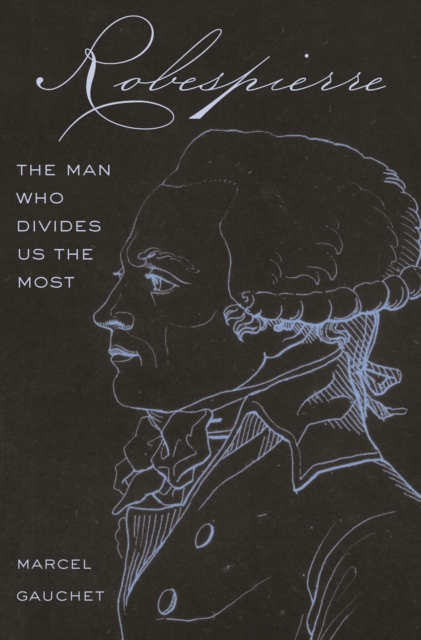
How Robespierre's career and legacy embody the dangerous contradictions of democracyMaximilien Robespierre (1758-1794) is arguably the most controversial and contradictory figure of the French Revolution, inspiring passionate debate like no other protagonist of those dramatic and violent events.
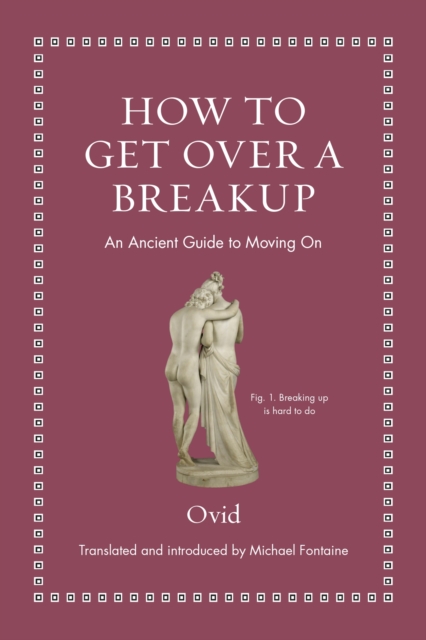
A modern translation of the ancient Roman poet Ovid's Remedies for Lovea witty and irreverent work about how to fall out of loveBreakups are the worst.
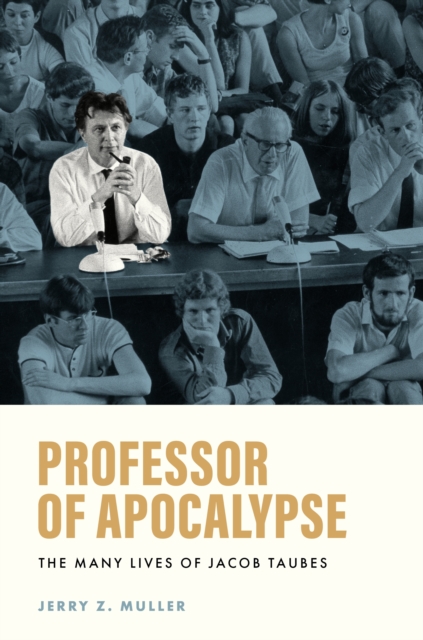
The controversial Jewish thinker whose tortured path led him into the heart of twentieth-century intellectual lifeScion of a distinguished line of Talmudic scholars, Jacob Taubes (19231987) was an intellectual impresario whose inner restlessness led him from prewar Vienna to Zurich, Israel, and Cold War Berlin.
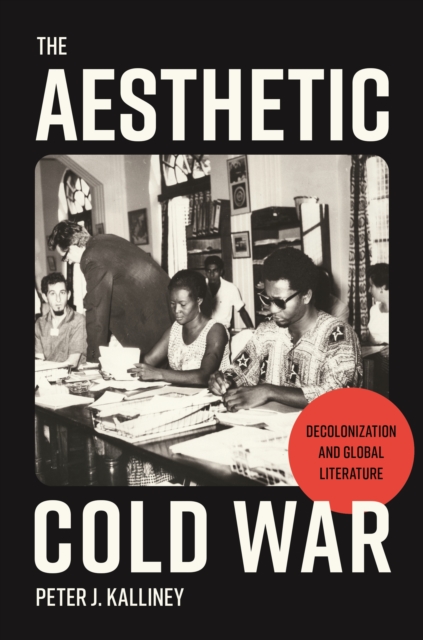
How decolonization and the cold war influenced literature from Africa, Asia, and the CaribbeanHow did superpower competition and the cold war affect writers in the decolonizing world?
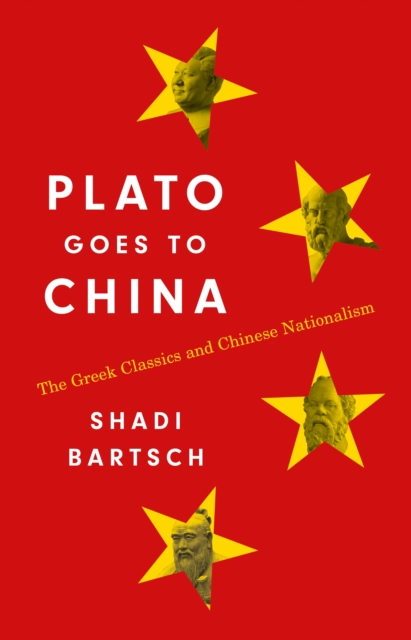
The surprising story of how Greek classics are being pressed into use in contemporary China to support the regime's political agendaAs improbable as it may sound, an illuminating way to understand today's China and how it views the West is to look at the astonishing ways Chinese intellectuals are interpreting-or is it misinterpreting?
An energetic new translation of an ancient Roman masterpiece about a failed coup led by a corrupt and charismatic politicianIn 63 BC, frustrated by his failure to be elected leader of the Roman Republic, the aristocrat Catiline tried to topple its elected government.
A compelling collection of the life-changing writings of William JamesWilliam James-psychologist, philosopher, and spiritual seeker-is one of those rare writers who can speak directly and powerfully to anyone about life's meaning and worth, and whose ideas change not only how people think but how they live.
Civil Society and Government brings together an unprecedented array of political, ethical, and religious perspectives to shed light on the complex and much-debated relationship between civil society and the state.
An eminent philosopher explains why we owe it to future generations to take immediate action on global warmingClimate change is the supreme challenge of our time.
An intellectual history of the philosophers who grappled with the problem of evil, and the case for why pessimism still holds moral value for us todayIn the seventeenth and eighteenth centuries, philosophers engaged in heated debates on the question of how God could have allowed evil and suffering in a creation that is supposedly good.
A panoramic history of American individualism from its nineteenth-century origins to today's bitterly divided politicsIndividualism is a defining feature of American public life.
Why equality cannot be conditional on a shared human ';nature' but has to be for allFor centuries, ringing declarations about all men being created equal appealed to a shared human nature as the reason to consider ourselves equals.
The acknowledged masterpiece of Unamuno expresses the anguish of modern man as he is caught up in the struggle between the dictates of reason and the demands of his own heart.
How Tocqueville's ideas can help us build resilient liberal democracies in a divided worldHow can today's liberal democracies withstand the illiberal wave sweeping the globe?
A Japanese woman living in California attempts parent-child suicide, an ancient Japanese custom called "e;oyako-shinju,"e; in order to rid herself of shame upon learning that her husband has a mistress.
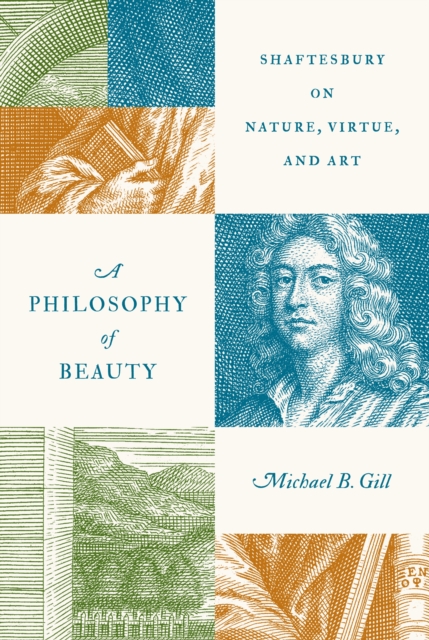
An engaging account of how Shaftesbury revolutionized Western philosophyAt the turn of the eighteenth century, Anthony Ashley Cooper, the third Earl of Shaftesbury (1671-1713), developed the first comprehensive philosophy of beauty to be written in English.
A provocative and timely case for how the science of genetics can help create a more just and equal societyIn recent years, scientists like Kathryn Paige Harden have shown that DNA makes us different, in our personalities and in our health-and in ways that matter for educational and economic success in our current society.
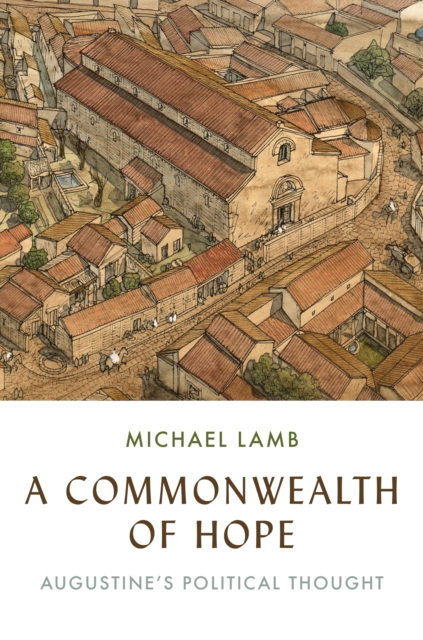
A bold new interpretation of Augustine's virtue of hope and its place in political lifeWhen it comes to politics, Augustine of Hippo is renowned as one of history's great pessimists, with his sights set firmly on the heavenly city rather than the public square.
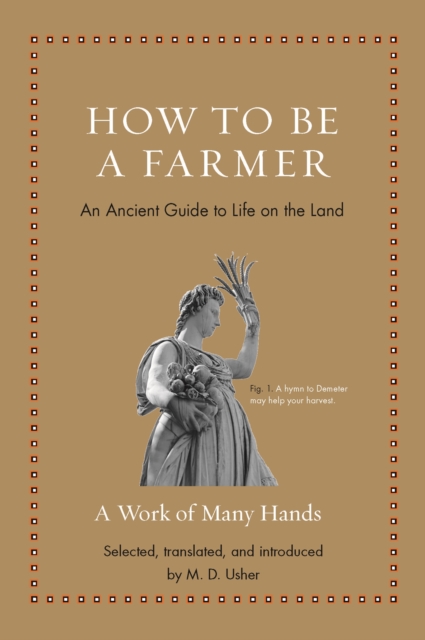
A delightful anthology of classical Greek and Roman writings celebrating country living-ranging from a philosophy of compost to hymns to the gods of agricultureWhether you farm or garden, live in the country or long to move there, or simply enjoy an occasional rural retreat, you will be delighted by this cornucopia of writings about living and working on the land, harvested from the fertile fields of ancient Greek and Roman literature.
A bold reevaluation of Spinoza that reveals his powerful, inclusive vision of religion for the modern ageSpinoza is widely regarded as either a God-forsaking atheist or a God-intoxicated pantheist, but Clare Carlisle says that he was neither.
Inspired by the work of Wilfrid Sellars, Michael Williams launches an all-out attack on what he calls "e;phenomenalism,"e; the idea that our knowledge of the world rests on a perceptual or experiential foundation.
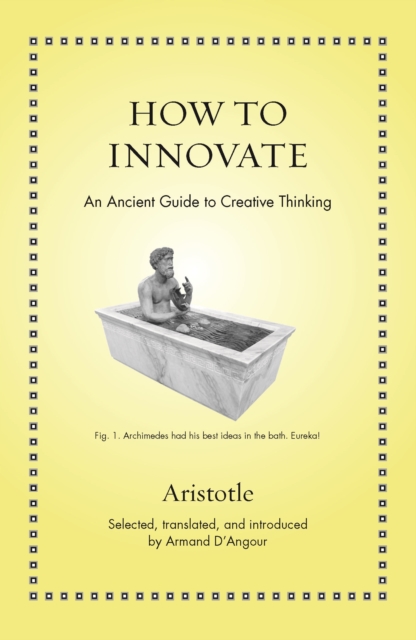
What we can learn about fostering innovation and creative thinking from some of the most inventive people of all times-the ancient GreeksWhen it comes to innovation and creative thinking, we are still catching up with the ancient Greeks.