A superb introduction to the ethical aspects of war and peace, this collection of tightly integrated essays explores the reasons for waging war and for fighting with restraint as formulated in a diversity of ethical traditions, religious and secular.
The philosophical theory of scientific explanation proposed here involves a radically new treatment of causality that accords with the pervasively statistical character of contemporary science.
The idea of civil society has long been central to the Western liberal-democratic tradition, where it has been seen as a crucial site for the development and pursuit of basic liberal values such as individual freedom, social pluralism, and democratic citizenship.
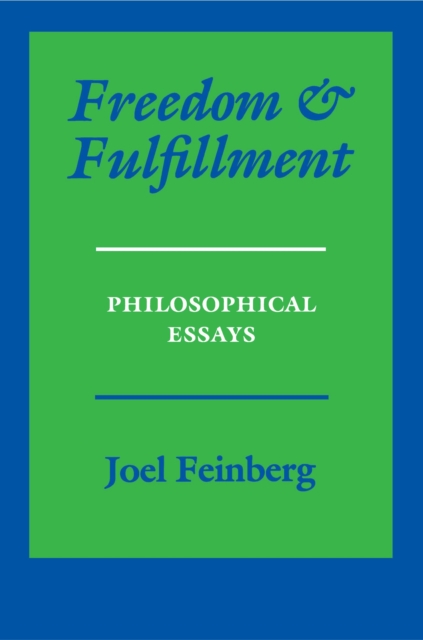
Dealing with a diverse set of problems in practical and theoretical ethics, these fourteen essays, three of them previously unpublished, reconfirm Joel Feinberg's leading position in the field of legal philosophy.
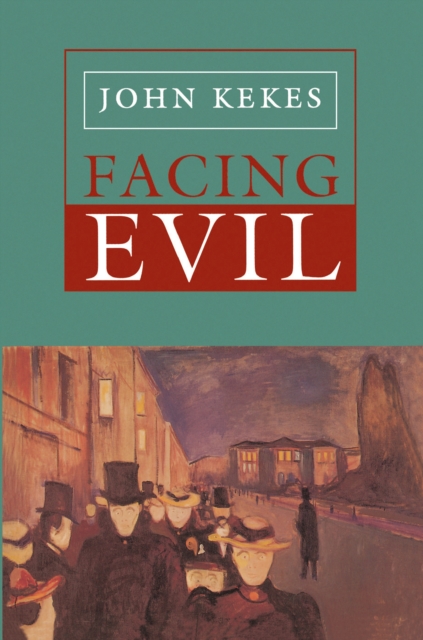
Arguing that the prevalence of evil presents a fundamental problem for our secular sensibility, John Kekes develops a conception of character-morality as a response.
From the celebrated cultural historian and bestselling author, a provocative history of the evolution of our ideas about art since the early nineteenth centuryIn this witty, provocative, and learned book, acclaimed cultural historian and writer Jacques Barzun traces our changing attitudes to the arts over the past 150 years, suggesting that we are living in a period of cultural liquidation, nothing less than the ending of the modern age that began with the Renaissance.
When we read that scientists have come close to pinpointing the "e;origin of the universe"e; by means of a Big Bang cosmology, or are engaged in formulating a "e;theory of everything,"e; as in current ten-dimensional superstring theories of particle physics, can we doubt that such inquiries or their results inevitably raise important philosophical questions?
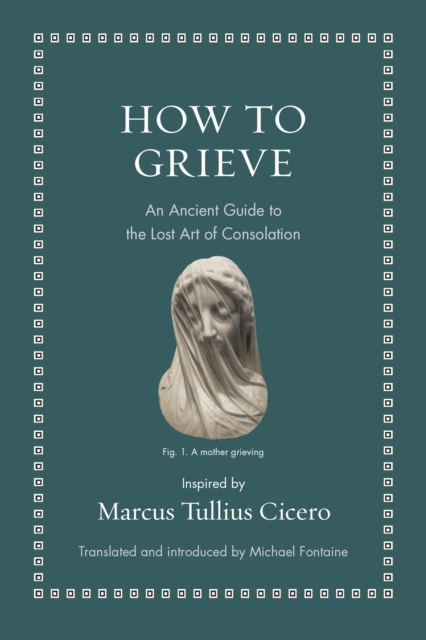
An engaging new translation of a timeless masterpiece about coping with the death of a loved oneIn 45 BCE, the Roman statesman Cicero fell to pieces when his beloved daughter, Tullia, died from complications of childbirth.
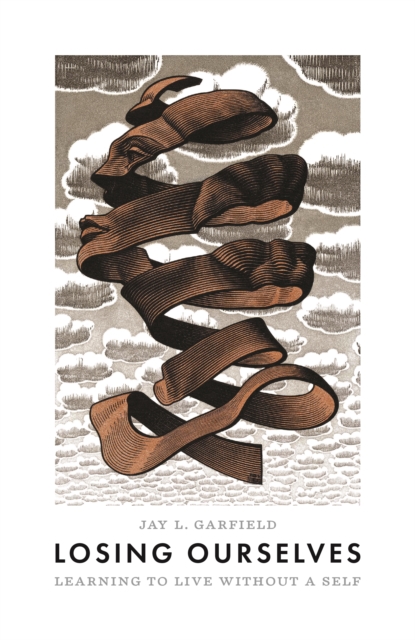
Why you don't have a self-and why that's a good thingIn Losing Ourselves, Jay Garfield, a leading expert on Buddhist philosophy, offers a brief and radically clear account of an idea that at first might seem frightening but that promises to liberate us and improve our lives, our relationships, and the world.
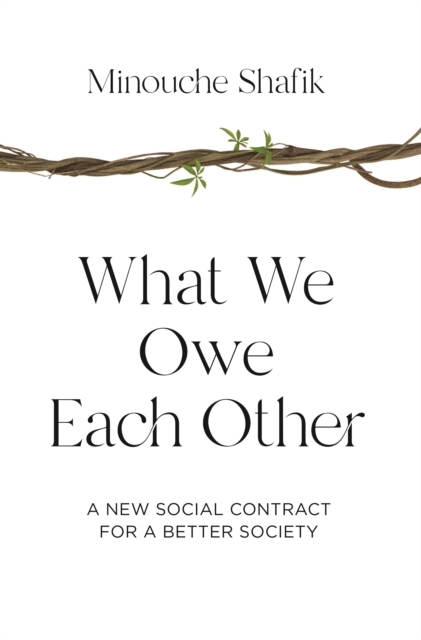
From one of the leading policy experts of our time, an urgent rethinking of how we can better support each other to thriveWhether we realize it or not, all of us participate in the social contract every day through mutual obligations among our family, community, place of work, and fellow citizens.
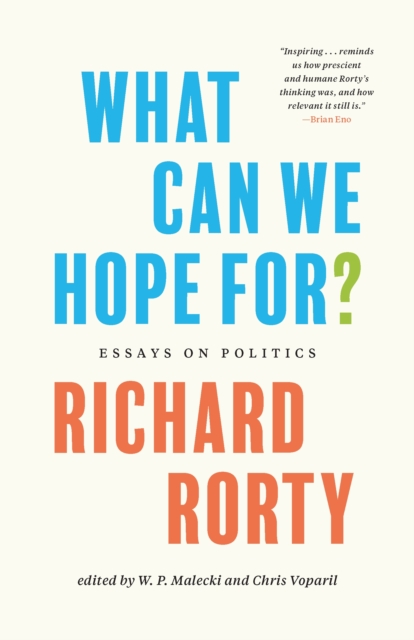
Prescient essays about the state of our politics from the philosopher who predicted that a populist demagogue would become president of the United StatesRichard Rorty, one of the most influential intellectuals of recent decades, is perhaps best known today as the philosopher who, almost two decades before the 2016 U.
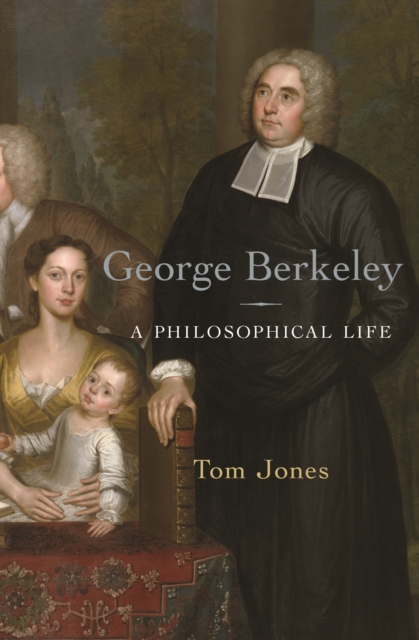
A comprehensive intellectual biography of the Enlightenment philosopherIn George Berkeley: A Philosophical Life, Tom Jones provides a comprehensive account of the life and work of the preeminent Irish philosopher of the Enlightenment.
A classic book by one of the twentieth century's most innovative and adventurous thinkersFirst published in 1959, From Shakespeare to Existentialism offers Walter Kaufmann's critical interpretations of some of the greatest minds in Western philosophy, religion, and literature.
This book restores to us an understanding that was once settled in the "e;moral sciences"e;: that there are propositions, in morals and law, which are not only true but which cannot be otherwise.
Outlining the major competing theories in the history of political and moral philosophy--from Locke and Hume through Hart, Rawls, and Nozick--John Simmons attempts to understand and solve the ancient problem of political obligation.
At a time when the label "e;conservative"e; is indiscriminately applied to fundamentalists, populists, libertarians, fascists, and the advocates of one or another orthodoxy, this volume offers a nuanced and historically informed presentation of what is distinctive about conservative social and political thought.
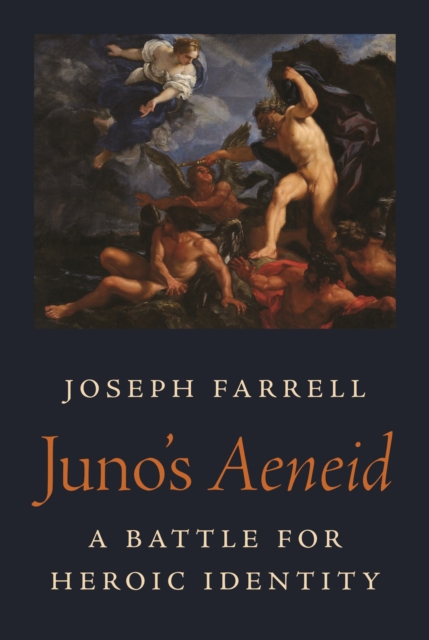
A major new interpretation of Vergil's epic poem as a struggle between two incompatible versions of the Homeric heroThis compelling book offers an entirely new way of understanding the Aeneid.
A compelling exploration of how our pursuit of happiness makes us unhappyWe live in an age of unprecedented prosperity, yet everywhere we see signs that our pursuit of happiness has proven fruitless.
From sex and music to religion and politics, a history of irrationality and the ways in which it has always been with us-and always will beIn this sweeping account of irrationality from antiquity to the rise of Twitter mobs and the election of Donald Trump, Justin Smith argues that irrationality makes up the greater part of human life and history.
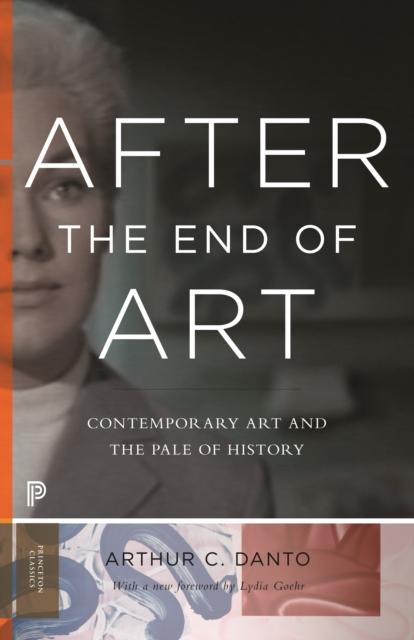
The classic and provocative account of how art changed irrevocably with pop art and why traditional aesthetics can't make sense of contemporary artA classic of art criticism and philosophy, After the End of Art continues to generate heated debate for its radical and famous assertion that art ended in the 1960s.
From Pulitzer Prize-finalist Steven Nadler, an engaging guide to what Spinoza can teach us about life's big questionsIn 1656, after being excommunicated from Amsterdam's Portuguese-Jewish community for "e;abominable heresies"e; and "e;monstrous deeds,"e; the young Baruch Spinoza abandoned his family's import business to dedicate his life to philosophy.
A landmark work from one of our leading political theoristsA sympathetic critique that attempts to free Left politics from its own snares, States of Injury explores how woundedness became a basis for contemporary political identity.
A moral philosopher's meditations on some of life's most important questionsWe've all had to puzzle over such profound matters as birth, death, regret, free will, agency, and love.
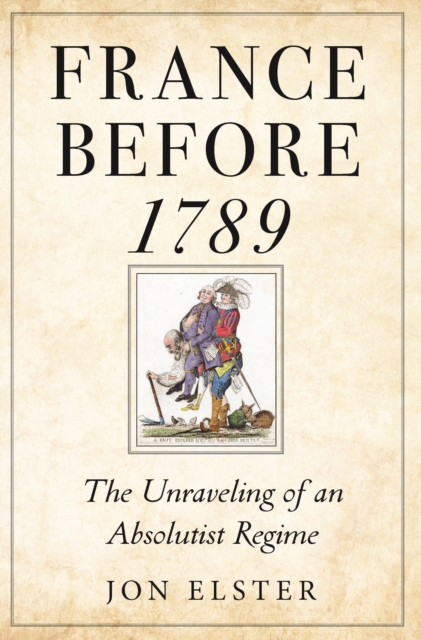
A masterful new account of old regime France by one of the world's most prominent political philosophersFrance before 1789 traces the historical origins of France's National Constituent Assembly of 1789, providing a vivid portrait of the ancien regime and its complex social system in the decades before the French Revolution.
A political philosophy classic from one of the foremost political thinkers of the twentieth centuryAfter Utopia was Judith Shklar's first book, a harbinger of her renowned career in political philosophy.
An expanded and updated edition of a classic work on human rights and global justiceSince its original publication, Basic Rights has proven increasingly influential to those working in political philosophy, human rights, global justice, and the ethics of international relations and foreign policy, particularly in debates regarding foreign policy's role in alleviating global poverty.
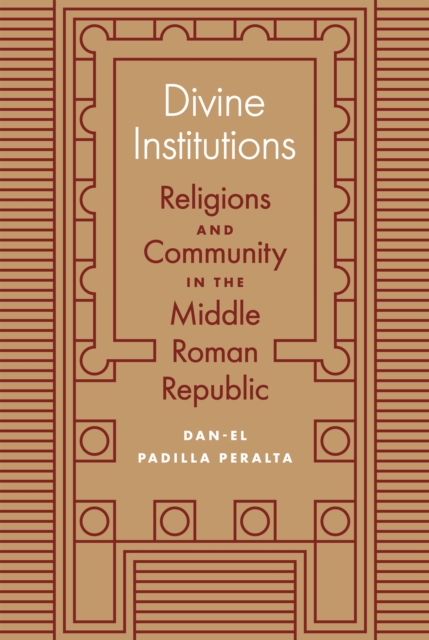
How religious ritual united a growing and diversifying Roman RepublicMany narrative histories of Rome's transformation from an Italian city-state to a Mediterranean superpower focus on political and military conflicts as the primary agents of social change.
From New York Times bestselling author Cass Sunstein, a brisk, provocative book that shows what freedom really means-and requires-todayIn this pathbreaking book, New York Times bestselling author Cass Sunstein asks us to rethink freedom.
Hailed by the Washington Post as "e;a sure-footed and witty guide to slippery ethical terrain,"e; a philosophical exploration of AI and the future of the mind that Astronomer Royal Martin Rees calls "e;profound and entertaining"e;Humans may not be Earth's most intelligent beings for much longer: the world champions of chess, Go, and Jeopardy!
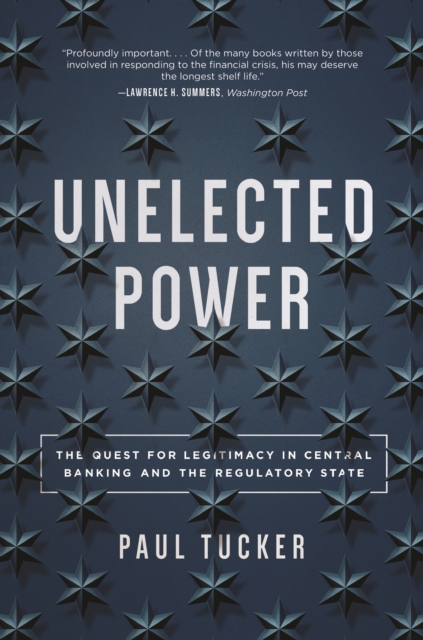
How central banks and independent regulators can support rather than challenge constitutional democracyUnelected Power lays out the principles needed to ensure that central bankers and other independent regulators act as stewards of the common good.