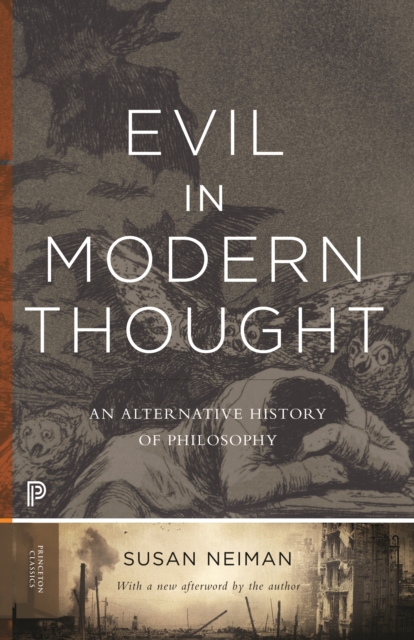
A compelling look at the problem of evil in modern thought, from the Inquisition to global terrorismEvil threatens human reason, for it challenges our hope that the world makes sense.
The second and final volume of the most authoritative English-language edition of Spinoza's writingsThe Collected Works of Spinoza provides, for the first time in English, a truly satisfactory edition of all of Spinoza's writings, with accurate and readable translations, based on the best critical editions of the original-language texts, done by a scholar who has published extensively on the philosopher's work.
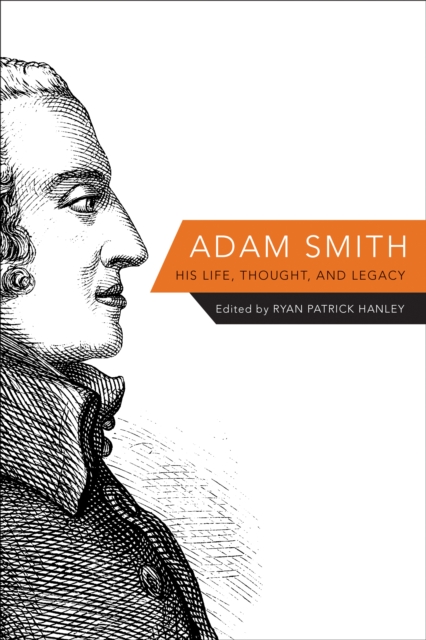
The essential guide to the life, thought, and legacy of Adam SmithAdam Smith (1723-90) is perhaps best known as one of the first champions of the free market and is widely regarded as the founding father of capitalism.
This book presents a new approach to the epistemology of mathematics by viewing mathematics as a human activity whose knowledge is intimately linked with practice.
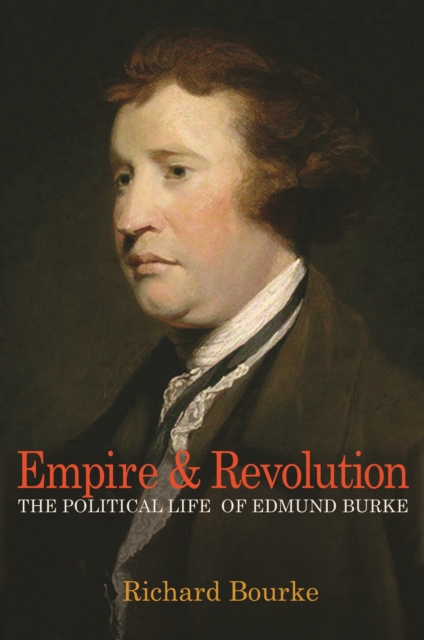
A major new account of one of the leading philosopher-statesmen of the eighteenth centuryEdmund Burke (1730-97) lived during one of the most extraordinary periods of world history.
In this book, Scott Soames argues that the revolution in the study of language and mind that has taken place since the late nineteenth century must be rethought.
Europe's long sixteenth century-a period spanning the years roughly from the voyages of Columbus in the 1490s to the English Civil War in the 1640s-was an era of power struggles between avaricious and unscrupulous princes, inquisitions and torture chambers, and religious differences of ever more violent fervor.
A compelling reevaluation of the Enlightenment from one of its leading historiansIn this concise and powerful book, one of the world's leading historians of the Enlightenment provides a bracing and clarifying new interpretation of this watershed period.
The best-selling author of Why the West Rules-for Now examines the evolution and future of human values Most people in the world today think democracy and gender equality are good, and that violence and wealth inequality are bad.
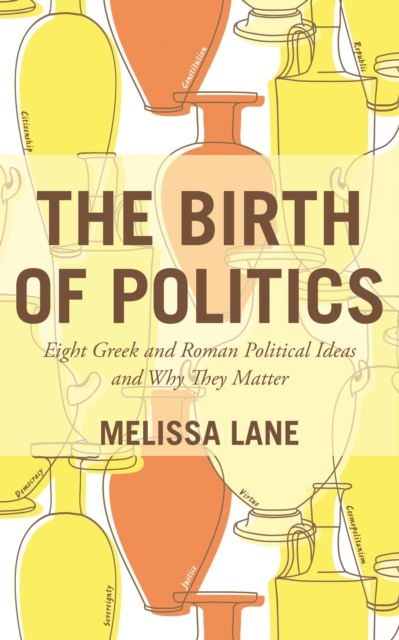
A lively and accessible introduction to the Greek and Roman origins of our political ideasIn The Birth of Politics, Melissa Lane introduces the reader to the foundations of Western political thought, from the Greeks, who invented democracy, to the Romans, who created a republic and then transformed it into an empire.
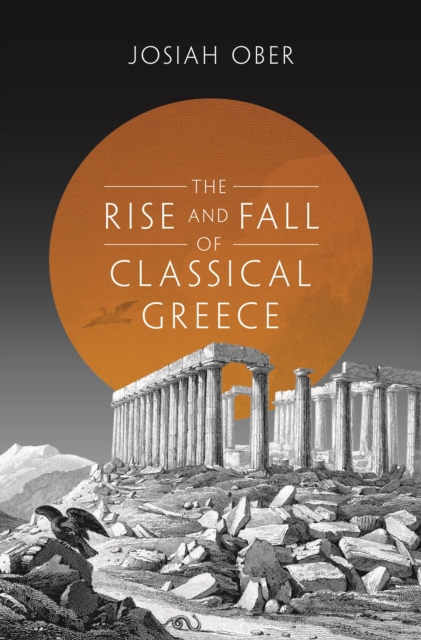
A major new history of classical Greece-how it rose, how it fell, and what we can learn from itLord Byron described Greece as great, fallen, and immortal, a characterization more apt than he knew.
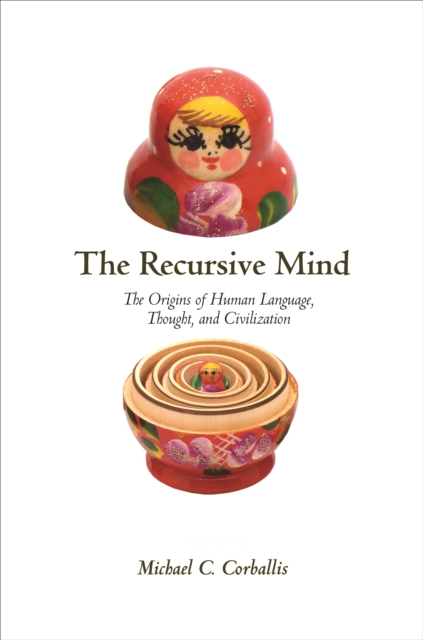
A groundbreaking theory of what makes the human mind uniqueThe Recursive Mind challenges the commonly held notion that language is what makes us uniquely human.
Compelling essays from one of today's most esteemed cultural criticsSpanning many historical and literary contexts, Moral Imagination brings together a dozen recent essays by one of America's premier cultural critics.
How the Radical Enlightenment inspired and shaped the French RevolutionHistorians of the French Revolution used to take for granted what was also obvious to its contemporary observers-that the Revolution was shaped by the radical ideas of the Enlightenment.
From the author of Think, an enlightening and entertaining exploration of narcissism and self-esteemEveryone deplores narcissism, especially in others.
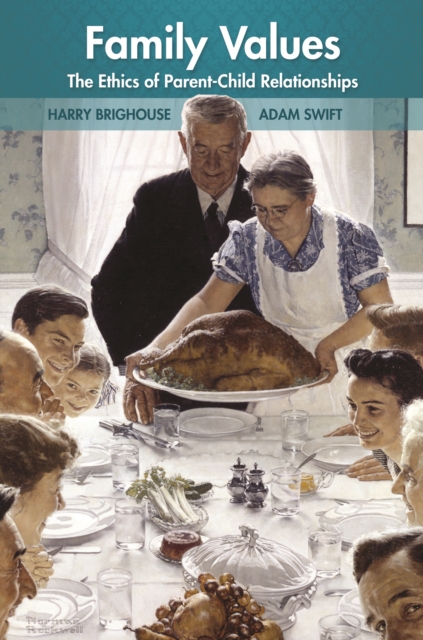
We are partial to people with whom we share special relationships--if someone is your child, parent, or friend, you wouldn't treat them as you would a stranger.
Now in paperback: the bestselling author of Gods Politics revives our hope in a politics that reflects our highest common values and offers a roadmap for solving our biggest social problems.
Timeless political wisdom from ancient history's greatest statesmanMarcus Cicero, Rome's greatest statesman and orator, was elected to the Roman Republic's highest office at a time when his beloved country was threatened by power-hungry politicians, dire economic troubles, foreign turmoil, and political parties that refused to work together.
The quotable Ai WeiweiThis collection of quotes demonstrates the elegant simplicity of Ai Weiwei's thoughts on key aspects of his art, politics, and life.
The past thirty years have seen a surge of empirical research into political decision making and the influence of framing effects--the phenomenon that occurs when different but equivalent presentations of a decision problem elicit different judgments or preferences.
Perhaps no other Western writer has more deeply probed the bitter struggle in the Muslim world between the forces of religion and law and those of violence and lawlessness as Noah Feldman.
Political moderation is the touchstone of democracy, which could not function without compromise and bargaining, yet it is one of the most understudied concepts in political theory.
Robert Wokler was one of the world's leading experts on Rousseau and the Enlightenment, but some of his best work was published in the form of widely scattered and difficult-to-find essays.
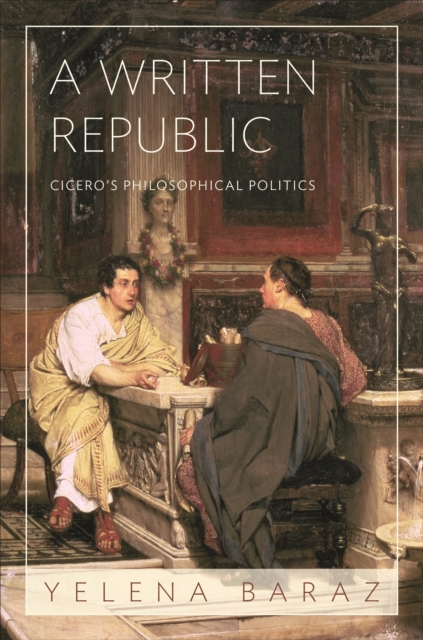
In the 40s BCE, during his forced retirement from politics under Caesar's dictatorship, Cicero turned to philosophy, producing a massive and important body of work.
A provocative reflection on the dilemmas of modern loveThe sexual revolution is justly celebrated for the freedoms it brought-birth control, the decriminalization of abortion, the liberalization of divorce, greater equality between the sexes, women's massive entry into the workforce, and more tolerance of homosexuality.
Michael Ignatieff draws on his extensive experience as a writer and commentator on world affairs to present a penetrating account of the successes, failures, and prospects of the human rights revolution.