Posthumously published in 1864, The Maine Woods depicts Henry David Thoreau's experiences in the forests of Maine, and expands on the author's transcendental theories on the relation of humanity to Nature.
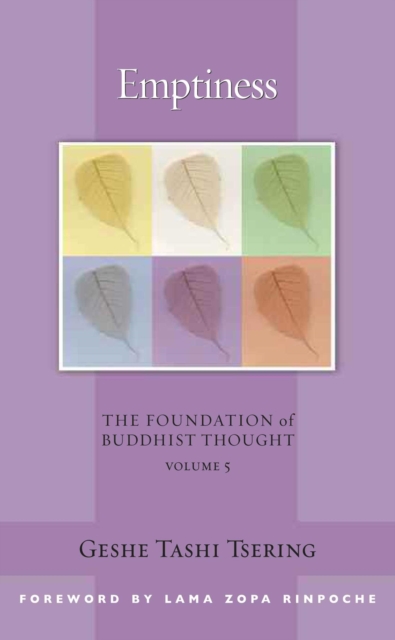
In Emptiness, the fifth volume in The Foundation of Buddhist Thought series, Geshe Tashi Tsering provides readers with an incredibly welcoming presentation of the central philosophical teaching of Mahayana Buddhism.
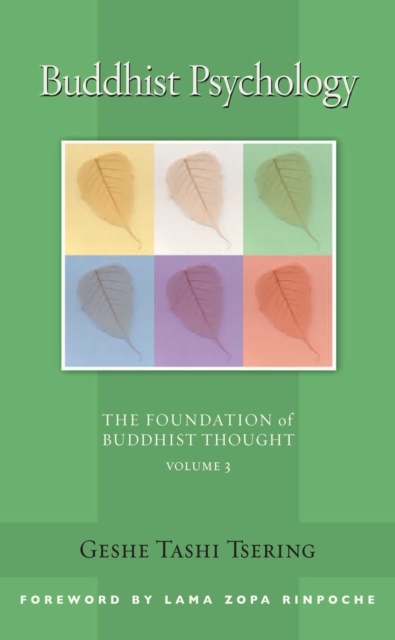
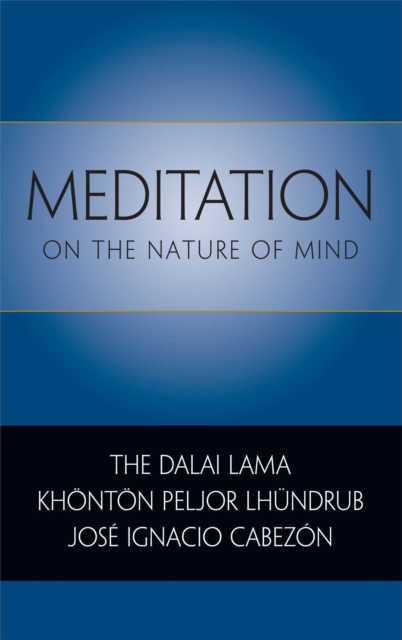
This new volume from the Foundation of Buddhist Thought series, provides a stand-alone and systematic - but accessible - entry into how Buddhism understands the mind.
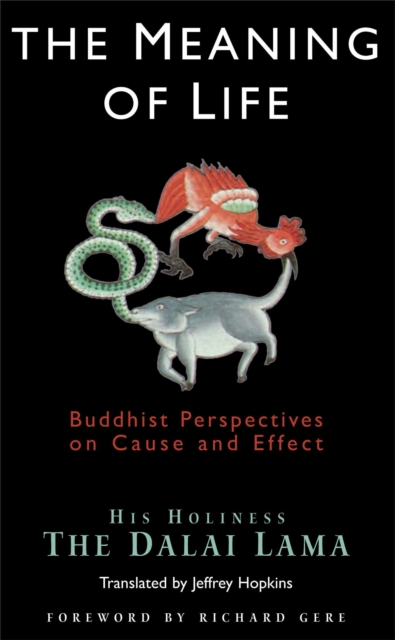
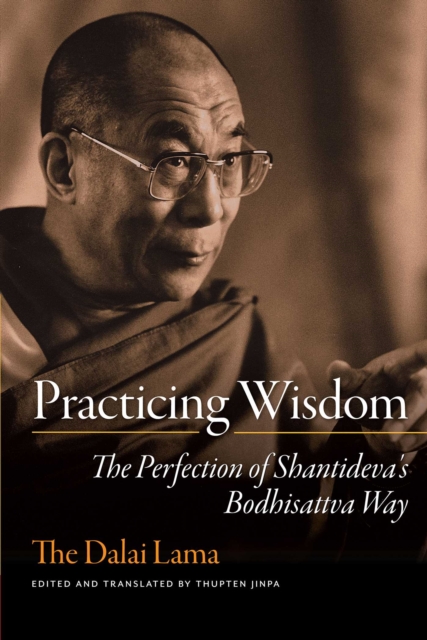
Using the traditional Buddhist allegorical image of the Wheel of Life and the teaching of the twelve links of dependent origination, the Dalai Lama deftly illustrates how our existence, though fleeting and often full of woes, brims with the potential for peace and happiness.
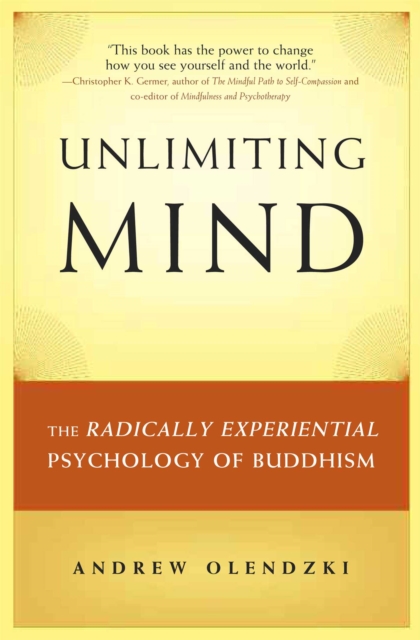
Both broad and deep, this eye-opening book is one of the best available overviews of the radical psychological teachings underlying the Buddhist approach to freedom and peace.
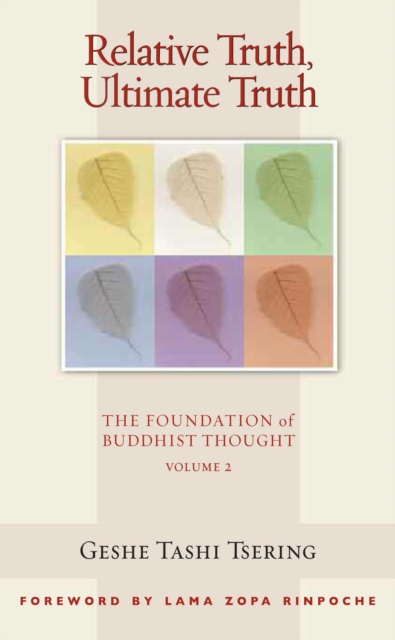
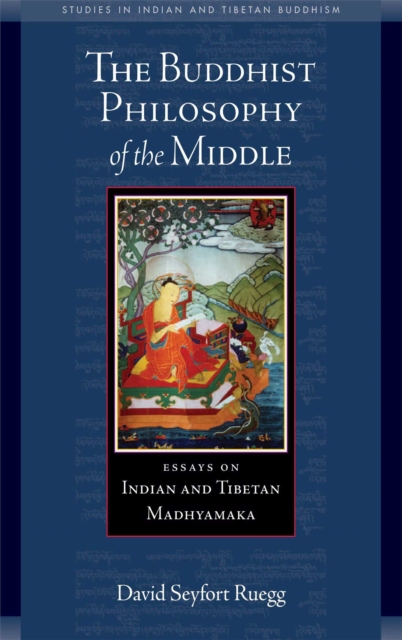
Madhyamaka, the "e;philosophy of the middle,"e; systematized the Buddha's fundamental teaching on no-self with its profound non-essentialist reading of reality.
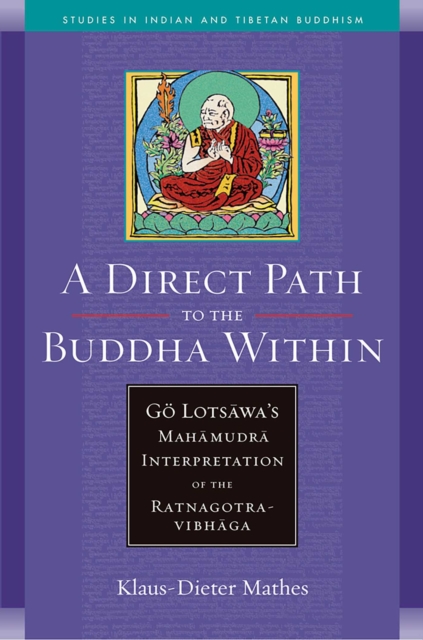
Maitreya's Ratnagotravibhaga, also known as the Uttaratantra, is the main Indian treatise on buddha nature, a concept that is heavily debated in Tibetan Buddhist philosophy.
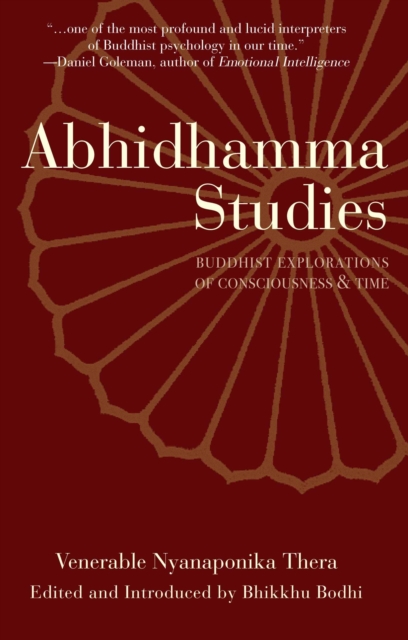
The Abhidhamma, the third great division of early Buddhist teaching, expounds a revolutionary system of philosophical psychology rooted in the twin Buddhist insights of selflessness and dependent origination.
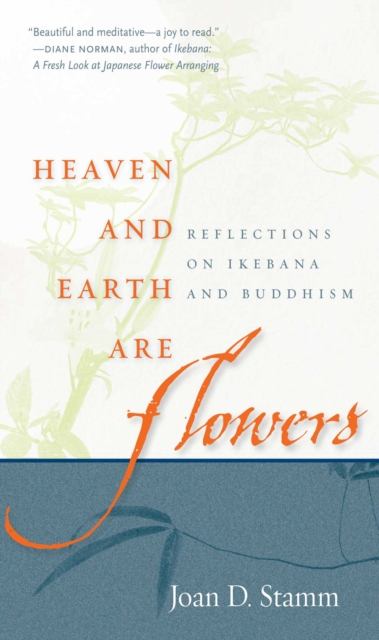
In this lovely meditation on ikebana - the Japanese art of flower arranging - Joan Stamm shows us how her twin paths of Buddhist practice and artistic endeavor converge and indeed become thoroughly intertwined.
From a major mind of Buddhism today comes this unique philosophical work, which hearkens back to the classical verse-form, but in a modern voice that speaks directly to the twenty-first century reader and practitioner.
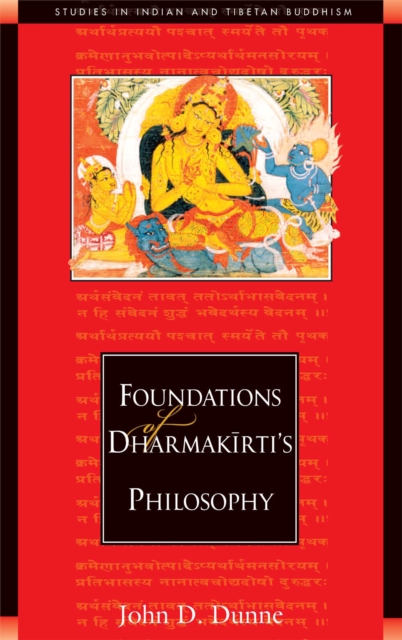
Throughout the history of Buddhism, few philosophers have attained the stature of Dharmakirti, the "e;Lord of Reason"e; who has influenced virtually every systematic Buddhist thinker since his time.
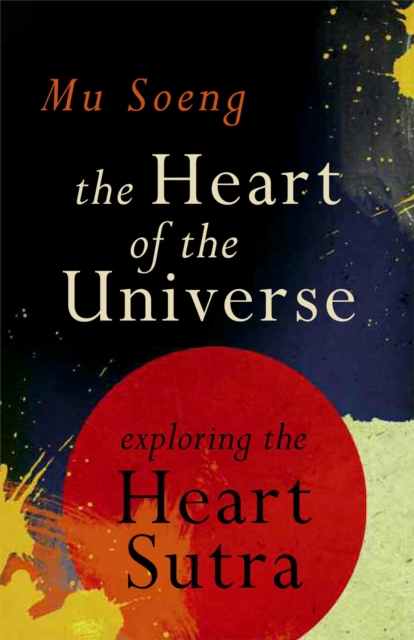
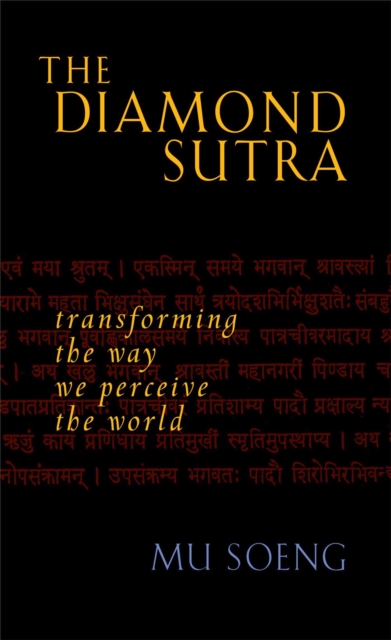
In this brilliant new translation and commentary on The Diamond Sutra--one of the sublime wisdom teachings of Mahayana Buddhism--Mu Soeng integrates this ancient wisdom teaching with current scientific and psychological thought.
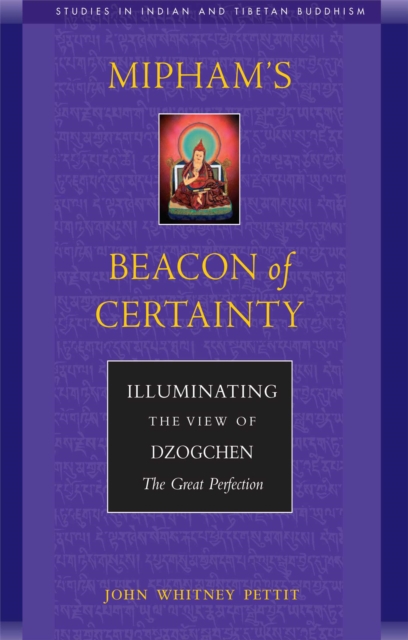
Dzogchen, or the "e;Great Perfection,"e; is considered by many to be the apex of Tibetan Buddhism, and Longchen Rabjam is the most celebrated of all the saints of this remarkable tradition.
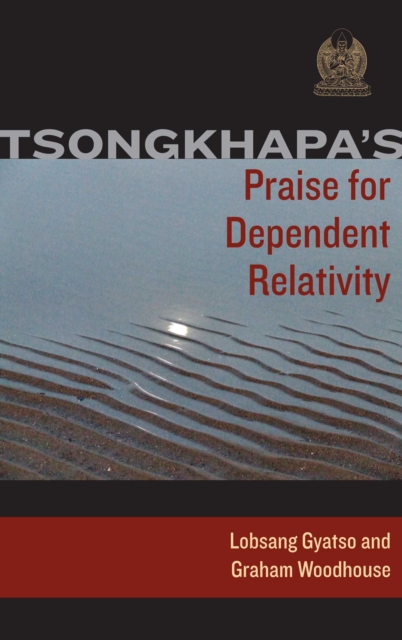
Tsongkhapa (1357-1419), the author of The Great Treatise on the Stages of the Path to Enlightenment and the teacher of the First Dalai Lama, is renowned as one of the greatest scholar-saints that Tibet has ever produced.
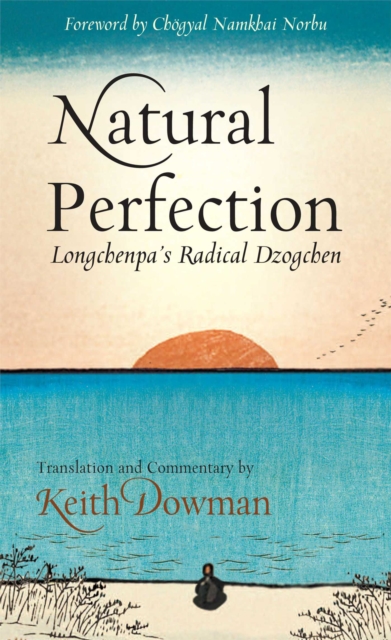
For centuries, Dzogchen - a special meditative practice to achieve spontaneous enlightenment - has been misinterpreted by both critics and malinformed meditators as being purely mystical and anti-rational.
Zwar gibt es eine Vielzahl an Einführungen in die formale Logik und der Besuch entsprechender Grundkurse ist für die Studierenden unterschiedlichster Fächer nicht selten verpflichtend; wie man diese Logik allerdings jenseits der philosophischen Fächer anwenden kann, bleibt in der Regel unbeantwortet.
A deluxe, high-quality edition of Friedrich Nietzsche s seminal work Beyond Good and Evil is one of the final books by German philosopher Friedrich Nietzsche.
A deluxe, high-quality edition of Friedrich Nietzsche s seminal work Beyond Good and Evil is one of the final books by German philosopher Friedrich Nietzsche.
Sie orientieren sich nicht wie die Ortsgemeinde an einer territorialen Zuständigkeit für ein bestimmtes Gebiet, sondern an bestimmten Themen, Zielgruppen und Lebenswelten.