No philosopher has held a higher opinion of art than Hegel, yet nor was any so profoundly pessimistic about its prospects - despite living in the German golden age of Goethe, Mozart and Schiller.
For the Pre-Socratic philosophers the soul was the source of movement and sensation, while for Plato it was the seat of being, metaphysically distinct from the body that it was forced temporarily to inhabit.
The Metaphysics presents Aristotle's mature rejection of both the Platonic theory that what we perceive is just a pale reflection of reality and the hardheaded view that all processes are ultimately material.
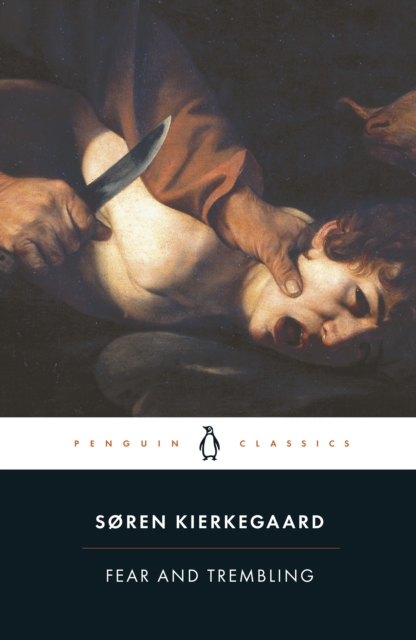
Kierkegaard's infamous and hugely influential philosophical work on faith, choice and sacrificeIn Fear and Trembling Kierkegaard, writing under the pseudonym Johannes de silentio, expounds his personal view of religion through the scene in Genesis in which Abraham prepares to kill his son at God's command.
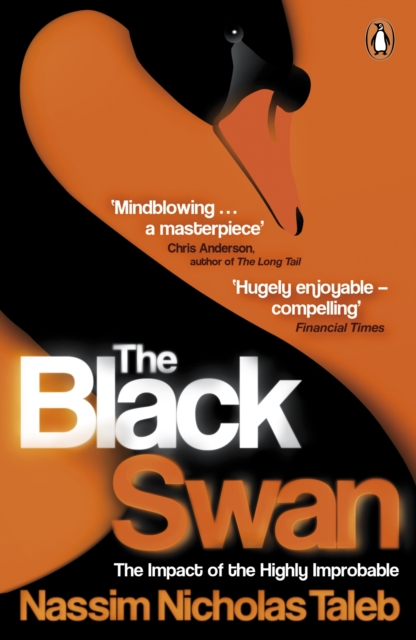
The phenomenal international bestseller that shows us how to stop trying to predict everything - and take advantage of uncertaintyWhat have the invention of the wheel, Pompeii, the Wall Street Crash, Harry Potter and the internet got in common?
Written after Nietzsche had ended his friendship with Richard Wagner and had been forced to leave academic life through ill health, Human, All Too Human (1878) can be read as a monument to his personal crisis.
'One of the greatest books of a very great thinker' Michael TannerBeyond Good and Evil confirmed Nietzsche's position as the towering European philosopher of his age.
First and foremost an outcry against injustice and inhumanity, Unto this Last is also a closely argued assault on the science of political economy, which dominated the Victorian period.
Revolutionary essays on design, aesthetics and materialism - from one of the great masters of modern architectureAdolf Loos, the great Viennese pioneer of modern architecture, was a hater of the fake, the fussy and the lavishly decorated, and a lover of stripped down, clean simplicity.
One of the most important philosophical works of all time, in a new Penguin Classics translation by Adam Beresford'Right and wrong is a human thing' What does it mean to be a good person?
'The life of man, solitary, poore, nasty, brutish, and short' Written during the chaos of the English Civil War, Thomas Hobbes' Leviathan asks how, in a world of violence and horror, can we stop ourselves from descending into anarchy?
Taking the form of a discussion between the hedonist Philebus, his na ve disciple Protarchus and Socrates, Philebus is a compelling consideration of the popular belief that pleasure is the greatest attainable good.
The companion book to Beyond Good and Evil, the three essays included here offer vital insights into Nietzsche's theories of morality and human psychology.
One of the most important works of the Enlightenmentin the first new, unabridged English translation in more than two centuriesPublished in four volumes between 1784 and 1791, Herder's Ideas for the Philosophy of the History of Mankind is one of the most important works of the Enlightenmenta bold, original, and encyclopedic synthesis of, and contribution to, the era's philosophical debates over nature, history, culture, and the very meaning of human experience.
A new way of understanding the essence of moral obligationThe Moral Nexus develops and defends a new interpretation of moralitynamely, as a set of requirements that connect agents normatively to other persons in a nexus of moral relations.
Provocative essays on real-world ethical questions from the world's most influential philosopherPeter Singer is often described as the world's most influential philosopher.
A sweeping history of libertarian thought, from radical anarchists to conservative defenders of the status quoLibertarianism emerged in the mid-nineteenth century with an unwavering commitment to progressive causes, from women's rights and the fight against slavery to anti-colonialism and Irish emancipation.
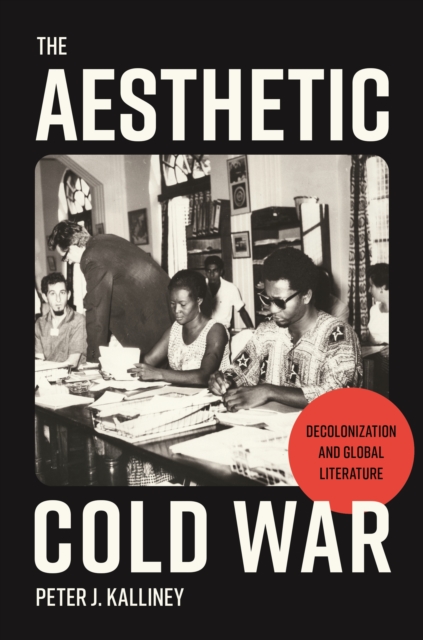
How decolonization and the cold war influenced literature from Africa, Asia, and the CaribbeanHow did superpower competition and the cold war affect writers in the decolonizing world?
Why leaders, not citizens, are the driving force in Europe's crisis of democracyAn apparent explosion of support for right-wing populist parties has triggered widespread fears that liberal democracy is facing its worst crisis since the 1930s.
A panoramic history of American individualism from its nineteenth-century origins to today's bitterly divided politicsIndividualism is a defining feature of American public life.
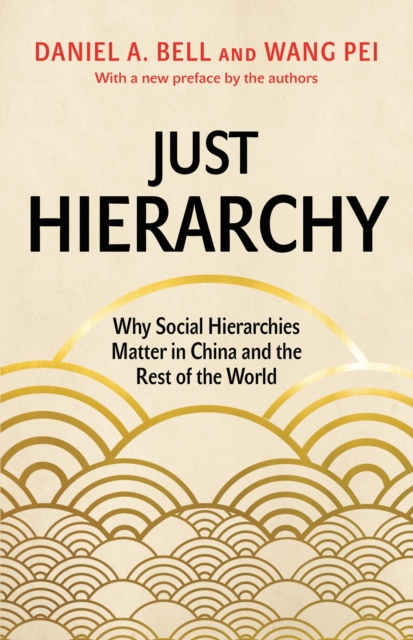
A trenchant defense of hierarchy in different spheres of our lives, from the personal to the politicalAll complex and large-scale societies are organized along certain hierarchies, but the concept of hierarchy has become almost taboo in the modern world.
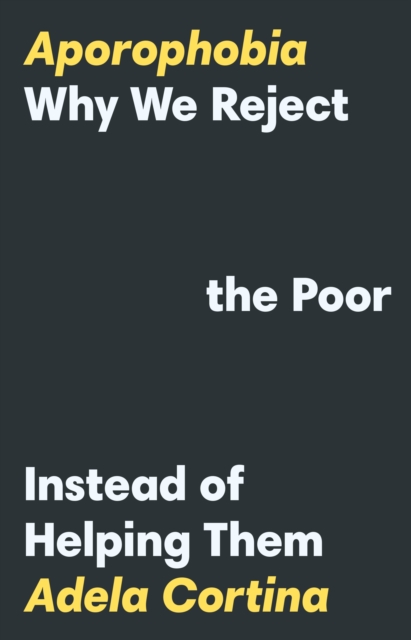
Why "e;aporophobia"e;-rejection of the poor-is one of the most serious problems facing the world today, and how we can fight itIn this revelatory book, acclaimed political philosopher Adela Cortina makes an unprecedented assertion: the biggest problem facing the world today is the rejection of poor people.
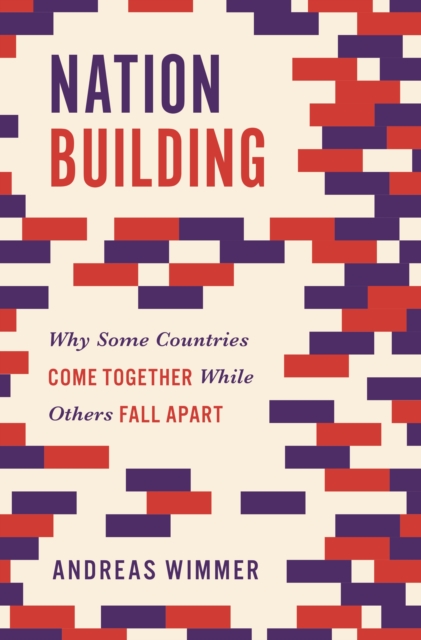
A new and comprehensive look at the reasons behind successful or failed nation buildingNation Building presents bold new answers to an age-old question.
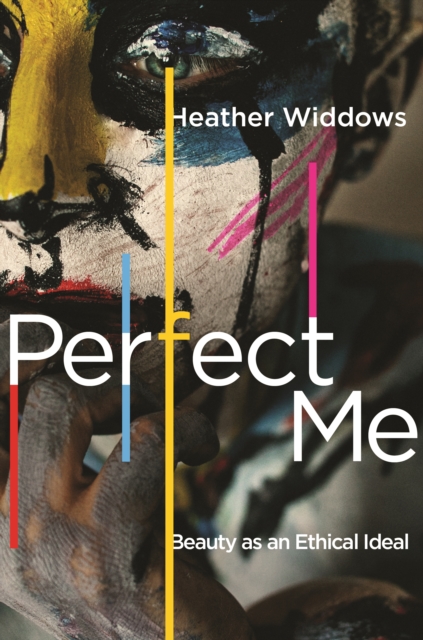
How looking beautiful has become a moral imperative in today's worldThe demand to be beautiful is increasingly important in today's visual and virtual culture.
A compelling exploration of how reputation affects every aspect of contemporary lifeReputation touches almost everything, guiding our behavior and choices in countless ways.
The first book to challenge modern philosophy's case against idleness, revealing why the idle state is one of true freedomFor millennia, idleness and laziness have been regarded as vices.
Timeless wisdom on death and dying from the celebrated Stoic philosopher Seneca"e;It takes an entire lifetime to learn how to die,"e; wrote the Roman Stoic philosopher Seneca (c.
What would stoic ethics be like today if stoicism had survived as a systematic approach to ethical theory, if it had coped successfully with the challenges of modern philosophy and experimental science?
How four revolutionary ideas from the Enlightenment shaped today's worldThis panoramic book tells the story of how revolutionary ideas from the Enlightenment about freedom, equality, evolution, and democracy have reverberated through modern history and shaped the world as we know it today.